The Unexpected Wellness Power of Pineapple Peels
Are you one of the many who toss pineapple peels straight into the compost or trash after enjoying the juicy fruit inside? What if we told you that those seemingly worthless peels are actually brimming with hidden potential, waiting to be transformed into valuable home remedies and beneficial recipes?
It’s true! Long overlooked, pineapple peels are gaining recognition in the natural wellness community for their impressive array of compounds that can support your health in surprising ways. Get ready to unlock their secrets and integrate a new level of natural goodness into your daily routine!
Why This Matters: More Than Just Fruit Scraps
In a world increasingly focused on sustainable living and natural solutions, it’s no surprise that we’re rediscovering the value in what we once considered waste. Pineapple peels are a prime example. For generations, people around the globe have been discarding these vibrant outer layers, unaware of the nutritional goldmine they were throwing away.
However, as our collective curiosity about traditional remedies and food waste reduction grows, so does our appreciation for ingredients like pineapple peels. They offer a unique opportunity to enhance your wellness journey with minimal effort and maximum benefit, tapping into nature’s wisdom to support everything from digestion to immune health. If you’re someone who loves finding practical, healthy ways to live more naturally, this is a topic you won’t want to miss.
The Hidden Gems Inside Pineapple Peels
So, what exactly makes pineapple peels so special? It all comes down to their rich composition of beneficial compounds, many of which are often more concentrated in the peel than in the fruit itself!
Bromelain: The Anti-Inflammatory Star
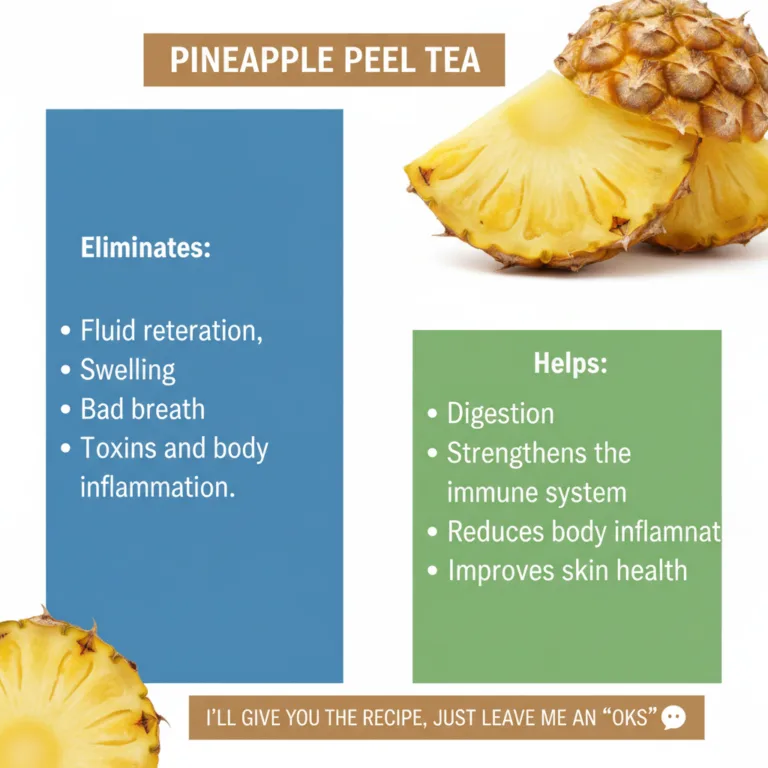
Perhaps the most famous compound associated with pineapple is bromelain. This powerful enzyme complex is renowned for its potential anti-inflammatory and digestive properties. While present in the fruit, bromelain is particularly abundant in the core and, yes, the peel!
- Traditional Use: Historically, bromelain has been used in various cultures to aid digestion and help reduce swelling.
- Modern Understanding: Some studies suggest bromelain may help reduce inflammation throughout the body, support healthy digestion by breaking down proteins, and even assist in wound healing.
Fiber for Digestive Harmony
Like many fruit peels, pineapple peels are an excellent source of dietary fiber. Fiber is crucial for a healthy digestive system, helping to maintain regularity, support a balanced gut microbiome, and contribute to feelings of fullness.
Incorporating fiber-rich foods like pineapple peels into your diet can be a gentle, natural way to support overall digestive wellness.
Antioxidants: Your Body’s Protective Shield
Pineapple peels are also packed with various antioxidants, including phenolic compounds and flavonoids. Antioxidants play a vital role in protecting your cells from damage caused by free radicals, which are linked to aging and various chronic diseases. By combating oxidative stress, these antioxidants contribute to your body’s natural defense mechanisms.
Vitamins and Minerals
While not in super high concentrations, pineapple peels still contain trace amounts of essential vitamins and minerals like Vitamin C, manganese, and some B vitamins, further contributing to their overall wellness profile.
Practical Guide: Transforming Peels into Remedies
Ready to put those pineapple peels to good use? Here are some simple and effective ways to incorporate them into your natural wellness routine.
1. Pineapple Peel Tea: A Soothing Elixir
This is one of the most popular and easiest ways to extract the goodness from pineapple peels.
Preparation:
- Clean Thoroughly: Wash your pineapple thoroughly before peeling. Scrub the outer skin gently with a vegetable brush under running water to remove any dirt or pesticides.
- Peel: Carefully peel your pineapple, trying to keep the peels as intact as possible.
- Chop: Chop the peels into smaller pieces, about 1-2 inches long.
- Simmer: Place the chopped peels in a pot with 4-6 cups of water. You can also add other beneficial ingredients like a cinnamon stick, a few slices of ginger, or a squeeze of lemon for added flavor and benefits.
- Boil & Simmer: Bring to a boil, then reduce heat and simmer gently for 15-30 minutes. The longer you simmer, the stronger the infusion will be.
- Strain: Strain the liquid, discarding the solids.
Usage Ideas: Enjoy warm as a soothing tea, or chill and drink as a refreshing, hydrating beverage. You can sweeten it with a touch of honey if desired.
2. Pineapple Peel Infused Water: Hydration with a Boost
For a lighter, refreshing option, try infused water.
Preparation:
- Clean & Chop: Thoroughly clean and chop pineapple peels as described above.
- Infuse: Place the peels (and any desired additions like mint leaves or cucumber slices) in a pitcher of cold water.
- Chill: Let it infuse in the refrigerator for at least 4 hours, or overnight, for best flavor.
Usage Ideas: Drink throughout the day to stay hydrated and enjoy a subtle, tropical flavor with added wellness benefits.
3. Pineapple Peel Vinegar: A Gut-Friendly Ferment
This is a more advanced option, creating a fermented vinegar similar to apple cider vinegar.
Preparation:
- Clean & Chop: As always, thoroughly clean and chop your pineapple peels.
- Combine: Place the peels in a large glass jar. Add about 1/4 cup of sugar per liter of water (sugar feeds the fermentation process). Fill the jar with filtered water, ensuring the peels are submerged. You can add a tablespoon of raw apple cider vinegar as a starter, though it’s not strictly necessary.
- Cover & Ferment: Cover the jar with a breathable cloth (like cheesecloth) secured with a rubber band. Place it in a dark, cool place for 2-4 weeks. Stir daily for the first few days. You’ll notice bubbles and a distinct sour smell as it ferments.
- Strain & Store: Once it reaches your desired tartness, strain out the peels and bottle the vinegar. Store in the refrigerator.
Usage Ideas: Use in salad dressings, marinades, or dilute with water as a daily wellness tonic.
Safety & Precautions: Important Considerations
While pineapple peels offer wonderful natural benefits, it’s always wise to exercise caution and awareness.
- Allergies: If you are allergic to pineapple, you should avoid consuming pineapple peels.
- Bromelain & Medications: Bromelain can have blood-thinning properties and may interact with certain medications, including anticoagulants (blood thinners) and some antibiotics. If you are on medication, it’s always best to consult your healthcare professional before regularly consuming pineapple peel remedies.
- Pregnancy & Breastfeeding: Limited research is available on the effects of concentrated pineapple peel consumption during pregnancy and breastfeeding. It’s advisable to speak with your doctor before use.
- Existing Medical Conditions: If you have any underlying medical conditions, particularly digestive issues or bleeding disorders, consult your healthcare provider before introducing pineapple peel remedies into your routine.
- Pesticides: Always wash your pineapples thoroughly before peeling to minimize pesticide residue, especially since you’ll be consuming the peel. Opt for organic pineapples if possible.
Remember, natural remedies are meant to support your well-being, not replace professional medical advice or treatment.
Key Takeaways
- Pineapple peels are a valuable source of bromelain, fiber, and antioxidants, often discarded prematurely.
- Bromelain offers potential anti-inflammatory and digestive benefits.
- Fiber supports a healthy gut and regular digestion.
- Antioxidants help protect cells from damage.
- Easy ways to use peels include making tea, infused water, or even fermented vinegar.
- Always clean peels thoroughly, and be mindful of potential allergies or interactions with medications.
- Consult a healthcare professional if you have concerns or existing medical conditions.
FAQ
Q1: Can I eat pineapple peels directly?
While technically edible, pineapple peels are very tough and fibrous, making them unpleasant and difficult to chew and digest directly. It’s much more effective and enjoyable to consume them in teas, infusions, or fermented products where their beneficial compounds are extracted.
Q2: How much pineapple peel tea should I drink daily?
There’s no strict recommendation, but starting with 1-2 cups per day and observing how your body responds is a good approach. Listen to your body and adjust as needed.
Q3: What’s the best way to clean pineapple peels?
Scrubbing them thoroughly under running water with a vegetable brush is key. You can also soak them in a water-vinegar solution (1 cup vinegar to 3 cups water) for 10-15 minutes, then rinse well, to help remove impurities.
Q4: Can I freeze pineapple peels for later use?
Absolutely! After thoroughly washing and chopping, you can freeze pineapple peels in an airtight bag or container. This is a great way to store them until you’re ready to make tea or other remedies.
Q5: Do organic pineapples have better peels for remedies?
Using organic pineapples is often preferred for their peels, as they are less likely to have been treated with synthetic pesticides. This reduces concerns about chemical residues when consuming peel-based remedies.
Related Reading
- The Power of Ginger: A Natural Anti-Inflammatory
- Boost Your Gut Health: Simple Fermented Foods to Try at Home
- Eating for Immunity: Top Foods to Support Your Natural Defenses
- Sustainable Kitchen: Reducing Food Waste for a Healthier Planet