Protein is a vital macronutrient that plays a crucial role in almost every bodily function. From building and repairing tissues to making enzymes and hormones, protein is the unsung hero of our diet. But with so many food choices, how do you know which ones pack the most protein punch?
This guide will demystify protein sources, helping you understand how much protein you can get from some common foods. Whether you’re a meat-lover, vegetarian, or just looking to balance your diet, you’ll discover delicious and effective ways to boost your protein intake. Let’s explore the essential protein-rich foods that can help you feel fuller, stronger, and more energized!
Why Protein Matters for Your Health
Protein isn’t just for bodybuilders! It’s fundamental for everyone. Here’s why:
- Muscle Growth and Repair: Protein is the building block of your muscles. It helps repair muscle fibers after exercise and supports growth.
- Satiety and Weight Management: Protein helps you feel full and satisfied, which can reduce overall calorie intake and support healthy weight management.
- Bone Health: Research suggests adequate protein intake is associated with stronger bones, especially as we age.
- Immune Function: Antibodies, which help fight off infections, are made from protein.
- Hormone and Enzyme Production: Many hormones and enzymes, essential for various bodily processes, are protein-based.
Your Essential Protein Food Chart
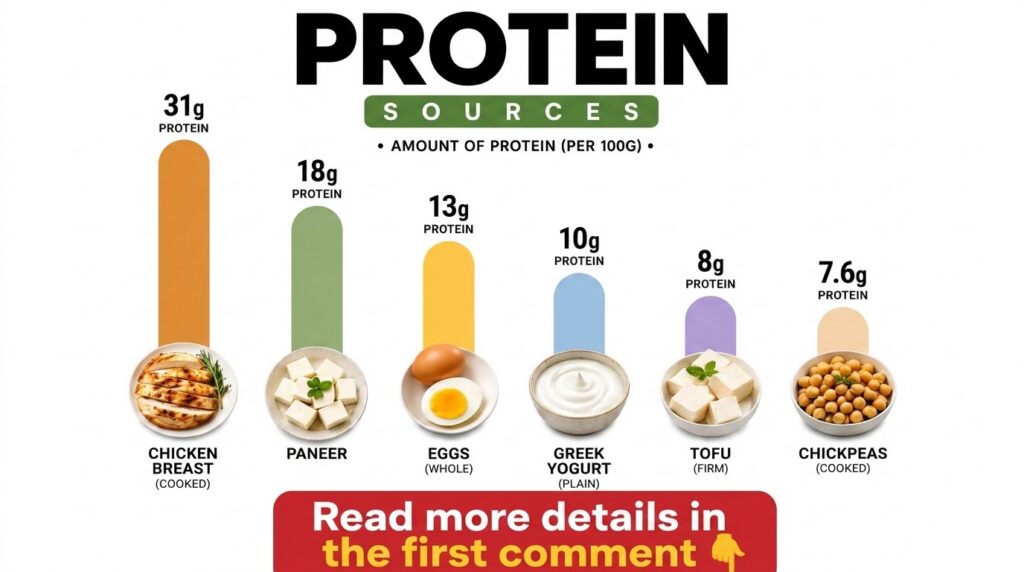
Let’s dive into some of the best protein sources and see how they stack up. Values are approximate per 100g serving.
| Food | Calories | Protein (g) | Carbs (g) | Fat (g) | Fiber (g) | Main Nutrients | Best Benefit |
|---|---|---|---|---|---|---|---|
| Chicken Breast | 165 | 31 | 0 | 3.6 | 0 | B vitamins, selenium | Lean muscle, satiety |
| Paneer | 265 | 18 | 3 | 20 | 0 | Calcium, phosphorus | Bone health, vegetarian protein |
| Eggs | 155 | 13 | 1.1 | 11 | 0 | Vitamins A, D, B12, choline | Versatile, complete protein |
| Greek Yogurt | 59 | 10 | 3.6 | 0.4 | 0 | Calcium, probiotics, B12 | Gut health, satiety |
| Tofu (Firm) | 76 | 8 | 1.9 | 4.8 | 0.3 | Calcium, iron, manganese | Plant-based, heart health |
| Chickpeas (Cooked) | 164 | 9 | 27 | 2.6 | 7.6 | Fiber, iron, folate | Digestive health, plant-based |

Nutrition Comparison Highlights
- Chicken Breast: A powerhouse of lean protein, offering the highest amount per 100g among these options with minimal fat and no carbs. It’s a fantastic choice for muscle building and satiety.
- Paneer: This fresh Indian cheese is a good source of protein for vegetarians, also rich in calcium for bone health. Keep in mind its fat content is higher than some other options.
- Eggs: Often called nature’s multivitamin, eggs provide complete protein, meaning they contain all nine essential amino acids. They are incredibly versatile and offer a good balance of protein and healthy fats.
- Greek Yogurt: A dairy delight, Greek yogurt is strained to remove whey, resulting in a thicker consistency and higher protein content than regular yogurt. It also provides probiotics for gut health.
- Tofu: A staple in plant-based diets, firm tofu offers a modest amount of protein along with essential minerals like calcium and iron. It’s low in calories and versatile for cooking.
- Chickpeas: These legumes are unique because they provide both plant-based protein and a significant amount of dietary fiber, promoting digestive health and sustained energy.
Practical Tips for Boosting Your Protein Intake
- Start Your Day Right: Include protein in your breakfast. Think Greek yogurt with berries, scrambled eggs, or a protein smoothie.
- Snack Smart: Opt for protein-rich snacks like a handful of almonds, hard-boiled eggs, or cottage cheese to keep hunger at bay.
- Add Legumes: Incorporate lentils, beans, and chickpeas into soups, salads, and stews for an easy plant-based protein boost.
- Diversify Your Plate: Don’t rely on just one protein source. Mix it up with different meats, fish, dairy, and plant-based options throughout the week.
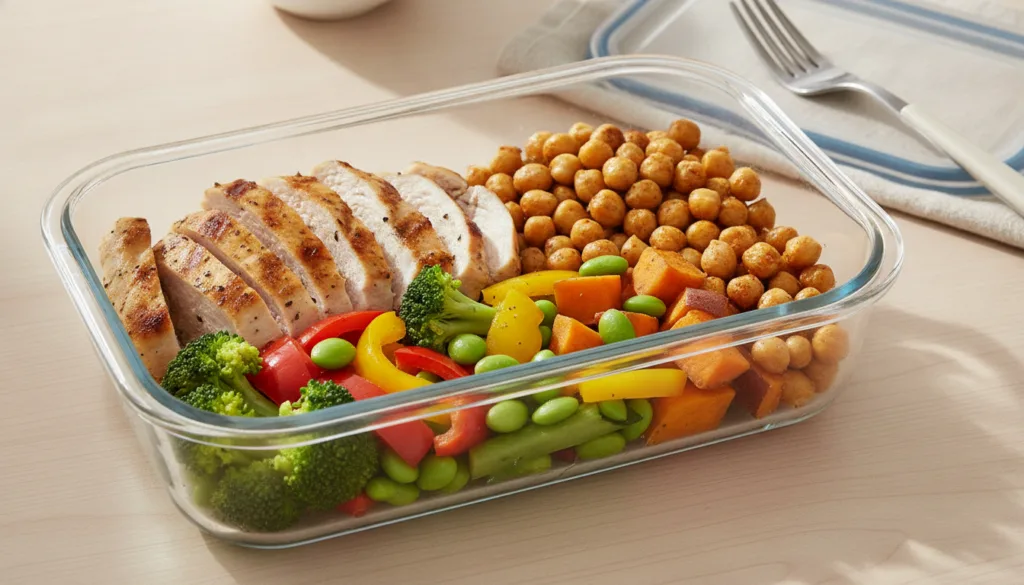
- Meal Prep: Prepare protein sources like grilled chicken or roasted chickpeas in advance to easily add to meals during the week.
Who Can Benefit from More Protein?
While everyone needs protein, some individuals may benefit from increasing their intake:
- Active Individuals: Athletes and those who exercise regularly need more protein for muscle repair and growth.
- Older Adults: As we age, maintaining muscle mass becomes more challenging. Higher protein intake can help preserve muscle and strength.
- Individuals Managing Weight: Protein-rich diets can increase satiety and support weight loss or maintenance efforts.
- Vegetarians and Vegans: These groups need to be mindful of combining plant-based proteins to ensure they get all essential amino acids.
FAQs About Protein
How much protein do I need daily?
The recommended dietary allowance (RDA) for protein is 0.8 grams of protein per kilogram of body weight. However, this is a minimum to prevent deficiency. Active individuals or those looking to build muscle may need more, often ranging from 1.2 to 2.0 grams per kilogram.
Are all protein sources equal?
No. Animal sources like meat, eggs, and dairy are considered ‘complete’ proteins because they contain all nine essential amino acids your body can’t produce. Most plant-based proteins are ‘incomplete,’ meaning they lack one or more essential amino acids. However, combining different plant proteins (e.g., rice and beans) throughout the day can provide all essential amino acids.
Can I get too much protein?
For most healthy individuals, consuming higher amounts of protein is generally safe. However, extremely high intakes over a long period may pose risks for individuals with pre-existing kidney conditions. It’s always best to consult a healthcare professional for personalized advice.
What are some easy ways to add protein to my diet?
You can easily add protein by including a source in every meal. Think lean meats, fish, eggs, dairy products (like Greek yogurt or cottage cheese), legumes (beans, lentils, chickpeas), nuts, and seeds. Protein powder can also be a convenient supplement.
Is plant-based protein as effective as animal protein?
Yes, plant-based proteins can be just as effective when consumed in varied combinations to ensure a complete amino acid profile. Many plant-based foods, like quinoa and soy, are also complete proteins on their own.
Does protein help with weight loss?
Protein can support weight loss by increasing satiety, which helps reduce overall calorie intake, and by preserving muscle mass during calorie restriction. Muscle burns more calories at rest than fat, aiding metabolism.
What is lean protein?
Lean protein refers to protein sources that are low in fat. Examples include chicken breast without skin, turkey breast, fish, egg whites, and certain plant-based proteins like tofu and legumes.
Conclusion
Understanding your protein sources is a powerful step towards a healthier, more balanced diet. From the muscle-building prowess of chicken breast to the gut-friendly benefits of Greek yogurt and the fibrous goodness of chickpeas, there’s a protein-rich food for every preference and dietary need. By incorporating these essential foods into your meals and snacks, you can support your body’s vital functions, feel more satisfied, and energize your day.
Keep exploring new recipes and ways to enjoy these nutritional powerhouses. Your body will thank you!
This content is for educational purposes only and should not be considered medical advice. Consult a qualified healthcare professional for personalized dietary recommendations.