Ranch-style homes, with their long, often linear profiles, offer a unique canvas for creating a truly welcoming and engaging exterior. While their classic simplicity is charming, they sometimes lack the architectural depth and inviting entrance that many homeowners desire. The good news? You have an incredible opportunity to transform your ranch house into a captivating haven with two powerful elements: a well-designed covered front porch and thoughtfully executed, layered landscaping.
This isn’t just about aesthetics; it’s about enhancing your lifestyle. A new porch provides an outdoor living space for relaxation and connection, while strategic planting adds curb appeal, boosts property value, and creates a sense of harmony with nature. Let’s explore how to bring this vision to life, turning a plain exterior into a dynamic, welcoming home.
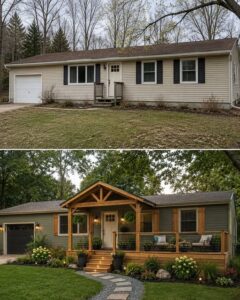
The Power of a Covered Front Porch and Layered Landscaping
A front porch fundamentally changes the relationship between your home’s interior and the outdoors. It provides a transition zone, a place to greet guests, sip coffee, or simply enjoy the evening breeze. Architecturally, it breaks up the long, horizontal lines of a ranch, adding vertical interest and a sense of entry.
Complementing this, layered landscaping is the key to softening architectural edges, guiding the eye, and providing year-round beauty. Layering involves planting at different heights, textures, and forms, creating depth and visual interest that a single row of shrubs simply cannot achieve. This approach creates a more natural, abundant, and welcoming look, moving beyond flat, uninspired foundation plantings.
Designing for Depth and Year-Round Interest
When planning your landscape, think in terms of foreground, midground, and background. This layered approach ensures that even in winter, there’s structure and form. Consider the colors, textures, and mature sizes of your chosen plants to create a cohesive and dynamic display.
Key Plant Categories for a Welcoming Ranch Garden
To achieve that beautiful, layered look, we’ll focus on several plant types, each serving a distinct purpose in your garden design. Remember to choose plants appropriate for your specific USDA hardiness zone and local conditions.
1. Evergreen Foundation Shrubs (The Background Layer)
These plants form the backbone of your landscaping, providing structure and green interest through all seasons. They should be chosen to complement your home’s scale, not overwhelm it.
- Common Name Examples: Dwarf Rhododendrons, Boxwood, Yews, Compact Junipers, Distylium
- Botanical Name (Example): Buxus sempervirens ‘Green Mountain’ (Boxwood)
- Hardiness: Varies by species, generally USDA Zones 4-9.
- Plant type: Evergreen shrub.
- Exposure: Full sun to partial shade, depending on species.
- Height: 2-6 feet, choose compact varieties that won’t block windows.
- Spread: 2-5 feet.
- Care Tip: Select varieties that mature at a size close to your desired height to minimize pruning. Plant at least 1-2 feet away from the house foundation to allow for air circulation and growth.
- Warning: Avoid planting large, fast-growing evergreens too close to the house, as they can quickly become overgrown and obscure architectural features.
2. Flowering Perennials and Ornamental Grasses (The Mid-Layer)
These plants add seasonal color, texture, and movement, creating the