Are you looking to add a touch of excitement and unique flavor to your garden and dinner plate? While classic tomatoes, cucumbers, and lettuce are garden staples, there’s a whole world of less common vegetables waiting to be discovered! Growing uncommon vegetables can be incredibly rewarding, offering new tastes, interesting textures, and a vibrant diversity to your backyard bounty.
Moving beyond the usual suspects not only enriches your culinary experience but also adds resilience to your garden, often introducing plants with different pest resistances and nutrient requirements. Plus, imagine the joy and conversation starter of serving something truly unique that you grew yourself!
Why Experiment with Uncommon Vegetables?
- Expand Your Palate: Discover new flavors and textures you won’t find at most grocery stores.
- Boost Garden Biodiversity: Introduce different plant types, which can improve soil health and pest resistance.
- Gardening Challenge: Add a fun new project to your gardening repertoire and learn about different plant needs.
- Impress Your Guests: Serve unique, homegrown produce that’s sure to be a conversation starter.
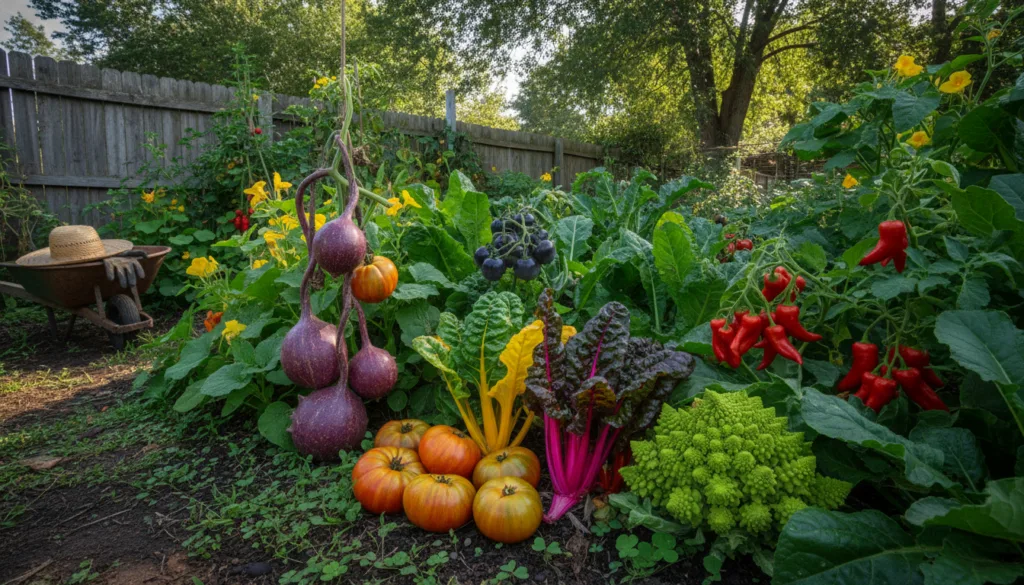 Bring new life and exciting flavors to your garden with these unique picks!
9 Uncommon Vegetables You Need to Grow This Season!
1. Romanesco Broccoli (Brassica oleracea ‘Romanesco’)
Often mistaken for a fractal alien, Romanesco is a stunning, chartreuse vegetable that looks like a mathematical masterpiece. Its flavor is a delightful blend of broccoli and cauliflower, with a slightly nuttier, sweeter taste. It’s beautiful steamed, roasted, or even raw in salads.
- Growing Tips: Treat it like cauliflower. It prefers rich, well-drained soil, consistent moisture, and full sun. It’s a cool-season crop, so plant in spring for an early summer harvest or late summer for a fall harvest.
2. Okinawan Spinach (Gynura procumbens)
This perennial leafy green is a powerhouse of nutrition and incredibly easy to grow in warmer climates or as a container plant. It features attractive green leaves with a vibrant purple underside. It has a slightly mucilaginous texture and a mild, slightly nutty flavor, perfect for stir-fries, soups, or eaten fresh.
- Growing Tips: Thrives in full sun to partial shade. It’s drought-tolerant once established but benefits from regular watering. It can be grown from cuttings and roots easily.
3. Ground Cherries (Physalis pruinosa)
These small, golden berries are related to tomatillos and cape gooseberries, encased in a papery husk. When ripe, they drop to the ground (hence the name!). They have a sweet, tropical flavor reminiscent of pineapple, mango, and cherry tomatoes. Delicious fresh, in pies, jams, or as a garnish.
- Growing Tips: Grow like tomatoes. They need full sun, well-drained soil, and consistent watering. They can be sprawling, so staking or caging might be helpful. Harvest when the husk turns papery and the fruit drops.
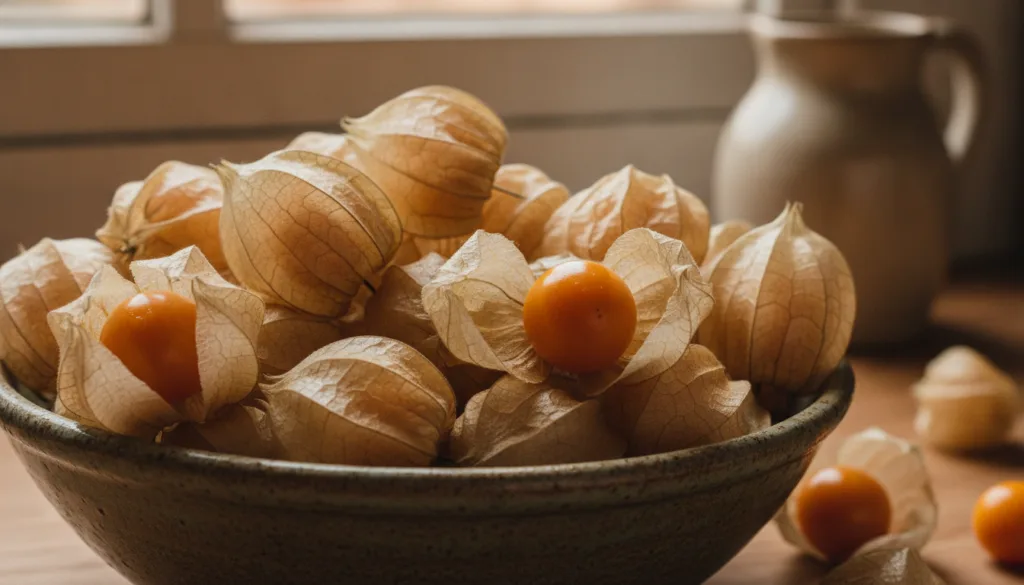 Sweet and tangy, ground cherries are a delightful surprise!
4. Kohlrabi (Brassica oleracea var. gongylodes)
Kohlrabi looks like a Sputnik satellite, with its swollen stem growing above ground and leaves shooting out. Both the crisp, pale green or purple bulb and the leaves are edible. It has a mild, sweet, slightly peppery flavor, often described as a cross between cabbage and turnip. Excellent raw in salads, roasted, or stir-fried.
- Growing Tips: A cool-season crop. Prefers full sun and fertile, well-drained soil. Keep soil consistently moist to prevent the bulbs from becoming woody. Harvest when bulbs are 2-3 inches in diameter.
5. Cardoon (Cynara cardunculus)
A relative of the artichoke, cardoon is grown for its edible leaf stalks rather than its flower buds. It has a slightly bitter, earthy flavor similar to artichoke hearts. Blanching the stalks before harvesting can reduce bitterness and tenderize them. Used in stews, gratins, or fried.
- Growing Tips: Plant in full sun and well-drained, rich soil. It’s a large plant, needing plenty of space. It requires a long growing season and may need protection in colder climates to overwinter. Blanching involves wrapping the stalks to exclude light 3-4 weeks before harvest.
6. Lacinato Kale (Brassica oleracea var. palmifolia)
Also known as Dinosaur Kale or Tuscan Kale, Lacinato kale features dark, deeply crinkled, almost reptilian-textured leaves. It has a sweeter, milder, and less bitter flavor than curly kale, with a tender texture when cooked. It’s fantastic in soups, sautés, salads, and kale chips.
- Growing Tips: A hardy cool-season crop. Thrives in full sun to partial shade and well-drained, fertile soil. Can tolerate light frosts, which often improve its flavor. Harvest outer leaves regularly to encourage new growth.
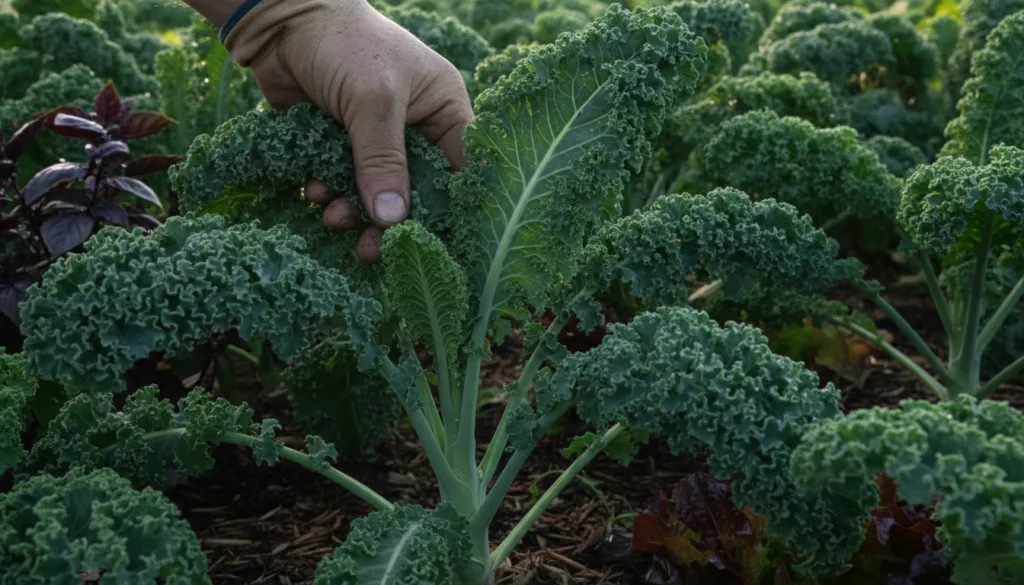 Lacinato kale, or Dinosaur Kale, adds a beautiful texture and mild flavor to your garden.
7. Sunchokes (Helianthus tuberosus)
Also known as Jerusalem Artichokes, sunchokes are the root tubers of a type of sunflower. They have a crisp texture and a sweet, nutty flavor often compared to water chestnuts or artichoke hearts. Excellent raw, roasted, mashed, or added to soups.
- Growing Tips: Plant tubers in full sun and well-drained soil. They are incredibly vigorous and can become invasive, so consider planting them in a dedicated bed or large container. Harvest after the first frost for the sweetest flavor.
8. Glass Gem Corn (Zea mays ‘Glass Gem’)
While not for eating off the cob, Glass Gem Corn is a breathtakingly beautiful variety grown for its stunning, multicolored kernels that resemble polished jewels. It’s perfect for ornamental purposes, making corn flour, or feeding wildlife. Imagine a fall centerpiece with these vibrant cobs!
- Growing Tips: Grow like other corn varieties: full sun, rich, well-drained soil, and consistent moisture. Plant in blocks rather than single rows to ensure good pollination. Harvest when husks are dry and cobs are firm.
9. Cucamelons (Melothria scabra)
These tiny fruits look like miniature watermelons but taste like cucumbers with a tangy, lime-like kick. Also known as Mexican Sour Gherkins, they are incredibly prolific and fun to grow. Perfect for snacking, adding to salads, pickling, or garnishing cocktails.
- Growing Tips: Grow like cucumbers. They need full sun, well-drained soil, and a trellis or support to climb. They are fairly drought-tolerant once established but appreciate regular watering. Harvest when they are about the size of a grape.
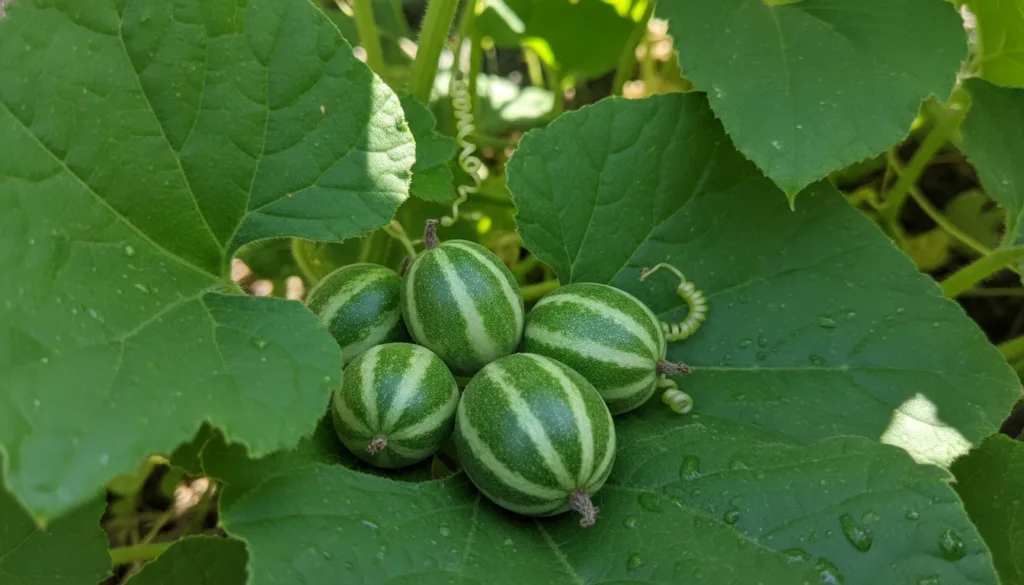 These adorable cucamelons offer a refreshing burst of flavor!
General Tips for Success with Uncommon Veggies
- Research is Key: Before planting, always do a little research on the specific needs of each plant.
- Start Small: Don’t try to grow all nine at once. Pick a few that pique your interest.
- Soil Matters: Most vegetables thrive in well-drained, fertile soil enriched with compost.
- Observe Your Garden: Pay attention to how your plants are doing. Adjust watering, sunlight, or feeding as needed.
- Don’t Be Afraid to Experiment: Gardening is all about learning and trying new things!
Ready to transform your garden into a treasure trove of unique flavors and textures? Growing uncommon vegetables is a fantastic way to rekindle your passion for gardening, expand your culinary horizons, and enjoy the freshest, most exciting produce right from your backyard. Happy planting!