Imagine approaching a home that instantly makes you feel welcome, a place that radiates charm and beauty before you even step inside. Often, the secret to this inviting allure lies not just in the architecture, but in the thoughtfully designed landscape that frames it. Many homeowners dream of transforming their outdoor spaces but feel overwhelmed by where to start. The good news is, you don’t need a massive overhaul to make a dramatic difference. Focusing on a fundamental gardening principle – layered landscaping – can elevate your home’s curb appeal, create visual depth, and provide year-round interest.
Layered landscaping is a strategic approach to planting that involves arranging plants of different heights, textures, and forms to create a dynamic and harmonious garden bed. This technique adds depth and visual richness, making a flat, uninspired yard feel lush and captivating. By understanding how to select and place plants in distinct layers, you can craft an inviting entryway and a beautiful front garden that enhances your home’s character and welcomes visitors with natural elegance.
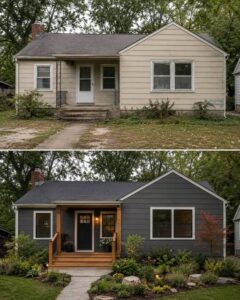
The Art of Layered Landscaping: Building Depth and Beauty
The core concept of layered landscaping is to mimic nature’s own structure, where plants grow together in a beautiful, organized chaos. By intentionally placing plants from shortest to tallest, moving from the front of your garden bed towards your home, you create a sense of depth and ensure that every plant gets its moment to shine. This isn’t just about aesthetics; it also promotes better airflow, reduces competition for light, and offers diverse habitats for local wildlife.
Layer 1: The Front Edges and Ground Covers
This is your opportunity to define the border of your garden bed and introduce vibrant color and texture at eye level. These plants should be low-growing, typically under 1 foot tall, and often chosen for their interesting foliage or continuous bloom.
- Plant Type: Low-growing perennials, annuals, or compact ground covers.
- Examples: Lavender (Lavandula spp.), Creeping Sedum (Sedum spurium), Dwarf Mondo Grass (Ophiopogon japonicus ‘Nana’), or seasonal annuals like Impatiens or Marigolds.
- Sunlight: Varies by plant, but most flowering perennials for this layer prefer full sun (6+ hours direct sun).
- Soil & Water: Well-draining soil is crucial. Water consistently until established, then reduce frequency, checking soil moisture before rewatering.
- Spacing: Plant closely enough to create a cohesive ‘carpet’ but allow for mature spread to prevent overcrowding. Refer to plant tags, but often 6-12 inches apart.
- Care Tip: Deadhead spent flowers on blooming plants to encourage continuous production and keep the bed looking tidy. For evergreen ground covers, a light trim in early spring can encourage dense growth.
Layer 2: Mid-Height Structure and Softness
Moving inward, this layer adds more substance and fills the space between your ground covers and taller background plants. These plants typically range from 1 to 3 feet in height and can include a mix of small shrubs and larger perennials.
- Plant Type: Compact evergreen or deciduous shrubs, medium-sized perennials.
- Examples: Dwarf Boxwood (Buxus sempervirens ‘Suffruticosa’), Hydrangeas (Hydrangea macrophylla, H. paniculata ‘Little Lime’), Heuchera (Coral Bells), or ornamental grasses like ‘Hameln’ Dwarf Fountain Grass (Pennisetum alopecuroides ‘Hameln’).
- Sunlight: Ranges from full sun to partial shade, depending on species. Ensure compatibility with neighboring plants.
- Soil & Water: Rich, well-draining soil. Consistent moisture is important, especially for flowering shrubs, but avoid soggy conditions.
- Spacing: Allow for mature spread. For shrubs, this might be 2-3 feet apart, while larger perennials might need 1-2 feet.
- Care Tip: Prune shrubs according to their specific needs. For example, some hydrangeas bloom on old wood and should be pruned right after flowering, while others bloom on new wood and are best pruned in early spring. Shaping boxwoods can maintain their neat form.
Layer 3: The Backdrop and Vertical Interest
This is the tallest layer, providing the backdrop against your home or fence. These plants offer verticality, privacy, and often serve as anchor points in your design. Heights can range from 3 feet to small ornamental trees.
- Plant Type: Taller evergreen shrubs, narrow conifers, or small ornamental trees.
- Examples: ‘Sky Pencil’ Holly (Ilex crenata ‘Sky Pencil’), Upright Junipers (Juniperus scopulorum ‘Skyrocket’), Dwarf Arborvitae (Thuja occidentalis ‘Emerald Green’), or small ornamental trees like Japanese Maple (Acer palmatum) or Serviceberry (Amelanchier spp.).
- Sunlight: Crucial to match the plant’s needs. Many evergreens and small trees require full sun for optimal growth and health.
- Soil & Water: Good drainage is paramount, especially for trees and conifers. Deep, infrequent watering is better than shallow, frequent watering once established.
- Spacing: This layer requires the most space. Ensure ample room for mature height and width, considering their proximity to your home’s foundation. Often 3-5+ feet apart, depending on species.
- Care Tip: For small trees, proper structural pruning when young is vital to develop a strong framework. Remove any dead, diseased, or crossing branches annually. For upright evergreens, occasional light shaping can maintain their columnar form.
Planning Your Layered Landscape Design
Successful layered landscaping starts with thoughtful planning. Before digging, consider these steps:
- Assess Your Site: Observe your yard throughout the day. Where does the sun hit? Are there shady spots? What are your soil conditions (clay, sand, loam)? Good drainage is key for most plants.
- Measure and Sketch: Draw a simple outline of your house and garden beds. Mark existing features like windows, doors, and pathways. This helps visualize scale.
- Consider Your Style: Do you prefer a formal, symmetrical look or a more natural, informal feel? Choose plants that complement your home’s architecture and your personal aesthetic.
- Plant Selection & USDA Zones: Research plants suitable for your USDA Hardiness Zone. These zones indicate a plant’s ability to withstand winter cold, but also consider heat tolerance and local microclimates. Most of the plants mentioned above are suitable for Zones 4-9, with variations for specific cultivars. Always check plant tags!
- Seasonal Interest: Plan for blooms, foliage color, and interesting textures across all four seasons. Mix evergreens with deciduous plants to ensure year-round appeal.
- Color Palette: Choose a harmonious color scheme. Repeat colors or plant types to create a cohesive look.
Essential Planting and Care Tips
Soil Preparation
Before planting, prepare your soil. Dig down at least 12-18 inches and amend with plenty of organic matter like compost. This improves drainage, provides nutrients, and encourages healthy root growth. A healthy soil foundation is the secret to thriving plants.
Planting Correctly
Dig a hole that is twice as wide as the plant’s root ball and just as deep. The top of the root ball should be level with or slightly above the surrounding soil to prevent issues. Gently loosen any circling roots before placing the plant. Backfill with amended soil, tamping lightly to remove air pockets, then water thoroughly.
Watering Wisely
Proper watering is critical, especially during the establishment phase (first year). Water deeply and regularly, allowing the top few inches of soil to dry out between waterings. Use a moisture meter or simply stick your finger into the soil to check. Overwatering is a common mistake that can lead to root rot.
Mulching Benefits
Apply a 2-3 inch layer of organic mulch (like shredded bark or compost) around your plants, keeping it a few inches away from stems and trunks. Mulch conserves soil moisture, suppresses weeds, regulates soil temperature, and breaks down over time to enrich the soil.
Common Mistakes to Avoid
- Ignoring Mature Size: Planting too closely without considering a plant’s mature height and spread is a common pitfall. This leads to overcrowding, poor air circulation, and plants outgrowing their space quickly. Always read plant tags for mature dimensions.
- Inadequate Soil Prep: Planting into poor, unamended soil sets your plants up for failure. Invest time in soil improvement for long-term success.
- “One of Everything” Syndrome: While variety is good, a chaotic mix of too many different plant types can look disjointed. Repeat plants in drifts or groups for a more cohesive and sophisticated look.
- Neglecting Winter Interest: A garden that looks beautiful only in summer misses a huge opportunity. Incorporate evergreens, plants with interesting bark, or persistent seed heads for winter appeal.
- Improper Pruning: Haphazard pruning can damage plants, reduce blooms, or create an unnatural shape. Learn the specific pruning needs for each plant in your garden.
Regional and Climate Considerations in the U.S.
While the principles of layered landscaping are universal, plant choices will vary significantly across the United States:
- Zones 3-5 (Northern States): Focus on cold-hardy varieties of perennials and shrubs. Look for native evergreens like Dwarf Alberta Spruce, and hardy deciduous shrubs such as Potentilla or Arctic Willow. Ensure good winter protection with mulch.
- Zones 6-8 (Mid-Atlantic, Midwest, Pacific Northwest): A wide range of plants thrive here. Many Hydrangea species, Boxwoods, and ornamental grasses are excellent choices. Pay attention to heat and humidity levels, choosing disease-resistant varieties.
- Zones 9-11 (Southern States, California, Southwest): Embrace plants that tolerate heat, humidity, or drought, depending on your specific region. Consider tropical evergreens, drought-tolerant succulents, and heat-loving perennials. Many plants grown as perennials in warmer zones may be annuals or houseplants elsewhere. Adjust watering for intense summer heat.
Always check with your local university extension service for specific recommendations tailored to your immediate area, including local frost dates, soil pH, and common pest issues.
Cultivate Your Own Modern Cottage Appeal
Transforming your home’s exterior with layered landscaping is an incredibly rewarding endeavor. It’s an ongoing conversation between your vision and nature’s rhythms, a chance to express your personal style while creating a beautiful, sustainable environment. By starting with a plan, understanding your plants, and providing consistent care, you’ll not only boost your home’s curb appeal but also create a space that brings joy and tranquility every time you step outside. Begin exploring your plant options, draw out your vision, and get ready to cultivate a garden that truly welcomes you home.