Most people reach for quick fixes when their feet ache and swell, but what if a few simple, natural ingredients could offer more profound and lasting comfort? Swollen feet, a common nuisance after a long day, prolonged standing, or even due to everyday factors, often leave us seeking relief beyond what a quick sit-down can provide. While medical attention is crucial for persistent or severe swelling, for common, temporary discomfort, traditional remedies rooted in nature offer a gentle yet effective approach. This guide dives into practical, plant-based traditions that may help ease the burden on your tired, swollen feet, transforming your daily routine with nature’s soothing touch.

What It Is: Harnessing Nature for Foot Relief
Traditional remedies for swollen feet typically involve external applications that leverage the anti-inflammatory, soothing, and circulatory-boosting properties of various plants and minerals. These aren’t complex concoctions but rather accessible methods like herbal foot soaks, targeted compresses, or gentle massage oils. The goal is to reduce fluid retention, improve circulation, and alleviate discomfort naturally, providing a holistic sense of relief that goes beyond just masking symptoms. The beauty lies in their simplicity and the power of natural compounds working in harmony with your body.
Ingredients for a Soothing Foot Soak
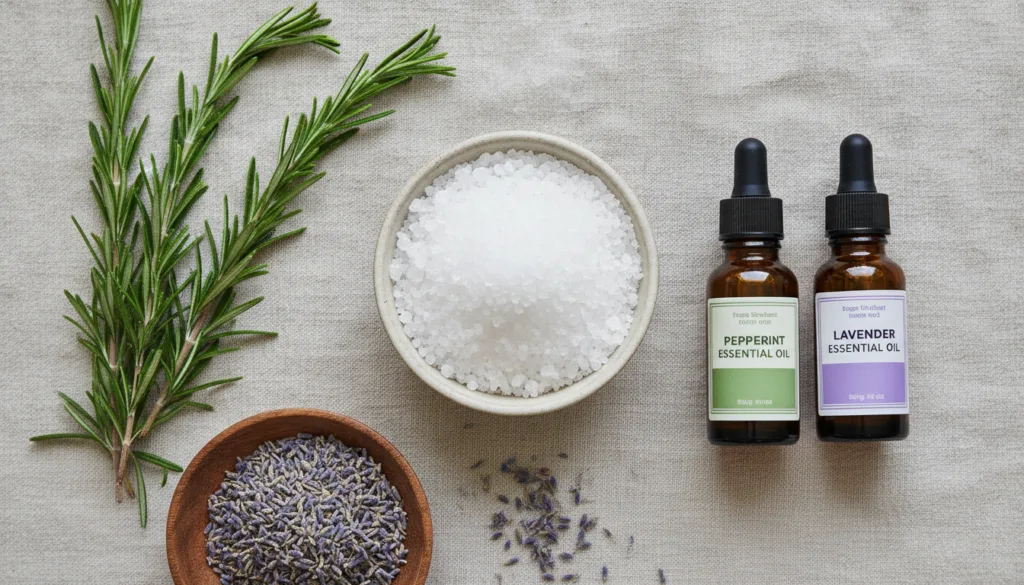
Creating your own soothing foot soak is straightforward. Here are the core ingredients you’ll need:
- Epsom Salt (Magnesium Sulfate): Known for its ability to reduce swelling and soothe muscle aches.
- Fresh or Dried Herbs: Opt for anti-inflammatory and circulatory-boosting herbs.
- Essential Oils (Optional): For added therapeutic benefits and aroma.
Approximate Measurements for a Standard Soak
For a typical foot bath that comfortably covers your feet and ankles:
- Epsom Salt: 1/2 cup to 1 cup
- Herbs: 1/2 cup fresh or 1/4 cup dried (e.g., rosemary, peppermint, lavender, ginger slices)
- Essential Oils: 5-10 drops (e.g., peppermint, lavender, frankincense, cypress)
- Warm Water: Enough to cover your ankles in a basin or tub (typically 2-3 liters)
The Ultimate Soothing Herbal Foot Soak Recipe
This recipe is designed to offer maximum relief and relaxation for swollen, tired feet.
- Prepare Your Herbs (if using fresh): Gently crush fresh herbs like rosemary or peppermint to release their oils. If using dried, simply measure them out.
- Heat Water: Fill a large basin or foot spa with comfortably warm water. It should be warm enough to be soothing, but not excessively hot, as very hot water can sometimes exacerbate swelling initially.
- Dissolve Salts: Add the Epsom salt to the warm water and stir until fully dissolved.
- Infuse Herbs: Add your chosen fresh or dried herbs directly to the water. If you prefer to avoid floating debris, you can place dried herbs in a muslin bag or a large tea infuser.
- Add Essential Oils: Drop in your essential oils. For better dispersion, you can mix them with a teaspoon of carrier oil (like jojoba or almond oil) or a bit of liquid soap before adding to the water.
- Stir and Soak: Give the mixture a final stir. Submerge your feet in the basin, ensuring they are fully covered up to your ankles.
How to Use It
Find a comfortable spot where you can relax. Soak your feet for 20-30 minutes. You can read a book, listen to music, or simply close your eyes and breathe deeply. The warmth and herbal infusion will work to soothe and de-swell your feet.
How Often to Use
For temporary swelling, use this foot soak as needed, up to once daily. If you experience chronic swelling, consult a healthcare professional for diagnosis and treatment, but this remedy can still be used as a supportive measure.
Practical Tips for Enhanced Relief
- Elevate Your Feet: While soaking, consider propping your feet up slightly on a small stool or cushion to further aid circulation.
- Gentle Massage: During or after the soak, gently massage your feet and ankles. Use upward strokes towards the heart to encourage fluid movement.
- Stay Hydrated: Believe it or not, drinking enough water can help reduce fluid retention.
- Movement: Regular, gentle movement like walking can prevent and alleviate swelling.
Quick Tip: Fresh vs. Dried Herbs
When selecting herbs, fresh options often have a stronger aroma and more potent volatile compounds. However, dried herbs are perfectly effective and more convenient for long-term storage. For soaks, both work well; for compresses, fresh might be slightly easier to manage.
Common Mistakes to Avoid
Even with simple remedies, certain practices can reduce effectiveness or cause issues:
- Using Water That’s Too Hot: Extremely hot water can sometimes initially increase swelling or cause discomfort, especially for sensitive skin. Stick to comfortably warm.
- Skipping the Epsom Salt: This ingredient is key for drawing out fluid and easing muscle tension.
- Ignoring Persistent Swelling: If swelling is severe, painful, unilateral, or doesn’t improve with remedies, it’s crucial to seek medical advice. Natural remedies are for common, temporary discomforts.
- Using Undiluted Essential Oils: Essential oils are potent and should always be diluted, even in a foot bath. If applying directly to skin (e.g., for massage), always mix with a carrier oil.
How to Buy / Choose Ingredients
Opt for high-quality, pure ingredients. For Epsom salt, ensure it’s pure magnesium sulfate without added fragrances or dyes if you have sensitive skin. When buying herbs, choose organic if possible to avoid pesticides. For essential oils, look for reputable brands that provide pure, therapeutic-grade oils.
Storage
Store Epsom salt in a cool, dry place in an airtight container. Dried herbs should be kept in airtight jars away from direct sunlight. Essential oils should be stored in dark glass bottles in a cool, dark place to maintain their potency.
Cautions / Who Should Avoid It
While generally safe, certain individuals should exercise caution:
- Diabetics: People with diabetes, especially those with neuropathy or poor circulation, should consult their doctor before using foot soaks, as skin sensitivity and wound healing can be compromised. Water temperature is particularly important.
- Open Wounds or Skin Infections: Avoid foot soaks if you have any open cuts, sores, or active infections on your feet or ankles.
- Pregnancy: Some essential oils are not recommended during pregnancy. Always consult your doctor before using essential oils or new remedies during pregnancy.
- Allergies: If you have known allergies to specific herbs or plants, avoid using them in your soak.

Quick Summary: Your Path to Soothed Feet
- Best Preparation: A warm herbal foot soak with Epsom salt and essential oils.
- Best Use-Case: Temporary swelling from standing, walking, or general fatigue.
- Storage: Keep ingredients cool, dry, and airtight. Prepare soaks fresh.
- When to Use: As needed, up to once daily, for relief.
- What to Avoid: Very hot water, skipping Epsom salt, ignoring persistent or severe swelling.
Frequently Asked Questions
Here are answers to common questions about natural remedies for swollen feet:
- Can I use fresh or dried herbs? Both are effective. Fresh herbs can be more aromatic, while dried herbs are convenient for storage.
- How long does the foot soak last? The prepared soak should be used immediately. Do not store and reuse.
- Can I refrigerate the herbal water? No, prepare fresh each time for optimal benefits and hygiene.
- How often should I use this remedy? For temporary relief, daily use is generally fine. For persistent issues, consult a doctor.
- What part of the plant is best? For rosemary and peppermint, use the leaves and stems. For ginger, use thinly sliced root.
- Can I reuse the herbs? It’s best to use fresh herbs for each soak to ensure maximum potency and hygiene.
- When should I avoid this remedy? Avoid if you have open wounds, severe diabetes, or are allergic to any ingredients. Consult a doctor if pregnant.
- Can I add other ingredients? Yes, apple cider vinegar (1/4 cup) can be added for additional anti-inflammatory benefits, though its scent can be strong.
Conclusion
Embracing traditional remedies for swollen feet offers a return to simplicity and the powerful comfort that nature provides. By understanding the right ingredients, preparation methods, and important cautions, you can create a personalized, soothing ritual that helps alleviate discomfort and brings a sense of grounded well-being back to your busy life. Remember, listen to your body, and when in doubt, always seek professional medical advice.
You may also like: DIY Herbal Compresses for Muscle Pain Relief
Continue with: The Healing Power of Epsom Salt Baths