Shocking Food Facts: Unlock the Hidden Power in Your Everyday Diet!
Do you ever wonder if the everyday foods you casually munch on hold secret superpowers? What if we told you that your daily diet might be packed with incredible health benefits you’ve been overlooking?
It’s easy to get caught up in the latest superfood trends, but often, the most potent nutrition is hiding in plain sight. Today, we’re diving into some truly surprising facts about common foods that might just change the way you view your pantry staples forever!
Why These Food Facts Matter More Than You Think
In our fast-paced world, it’s common to see food primarily as fuel or a source of comfort. We often categorize foods into ‘good’ or ‘bad’ without fully appreciating the complex tapestry of nutrients they offer. The truth is, many common ingredients are nutritional powerhouses, often misunderstood or simply taken for granted.
Understanding the hidden benefits of everyday foods empowers you to make more informed choices, enhance your vitality, and support your well-being naturally. It’s about shifting from a restrictive mindset to one of abundance, realizing that simple, whole foods can be your greatest allies in maintaining health and preventing common issues as you age.
The Surprising Superpowers of Everyday Staples
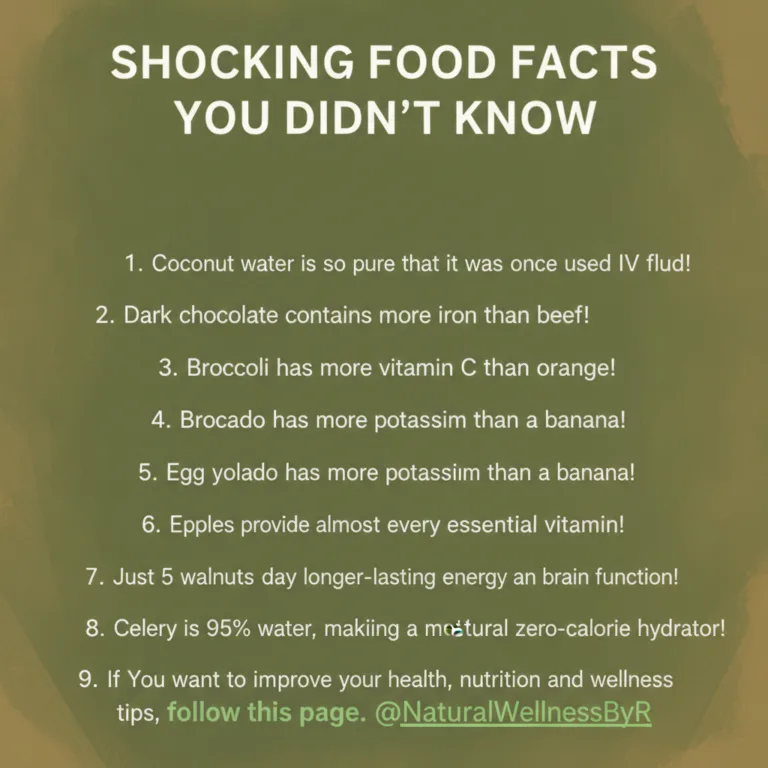
Coconut Water: More Than Just a Tropical Sip
Often hailed as nature’s sports drink, coconut water is indeed a refreshing beverage. But its true power lies in its natural electrolyte profile. Unlike many commercial sports drinks that are loaded with artificial ingredients, coconut water offers a natural blend of:
- Potassium: Essential for nerve function, muscle contractions, and maintaining fluid balance. It often outperforms many sports drinks in potassium content.
- Sodium: Crucial for hydration and preventing muscle cramps.
- Magnesium: Supports muscle and nerve function, blood sugar control, and blood pressure regulation.
- Calcium: Important for bone health and muscle function.
Traditional Use: For centuries, coconut water has been used in tropical regions as a natural rehydrant for illness, physical exertion, and general wellness.
Modern Scientific Understanding: Studies suggest that coconut water can be as effective as traditional sports drinks for rehydration after moderate exercise, thanks to its natural electrolyte content. It’s also a source of antioxidants.
Dark Chocolate: A Treat with a Healthy Heart?
Yes, you read that right! While milk chocolate is often high in sugar, dark chocolate (especially varieties with 70% cocoa or higher) boasts some impressive health credentials.
- Flavanols: These powerful antioxidants, found abundantly in cocoa, have been associated with improved blood flow, lower blood pressure, and better heart health. They help protect your cells from damage.
- Iron: Dark chocolate is a surprisingly good source of iron, a vital mineral for carrying oxygen in the blood and preventing fatigue.
- Magnesium: Another beneficial mineral that supports muscle and nerve function, sleep, and energy production.
Traditional Use: Cocoa has a long history in ancient Mesoamerican cultures, where it was consumed as a bitter, revered beverage for its stimulating and purported medicinal properties.
Modern Scientific Understanding: Research indicates that the flavanols in dark chocolate may contribute to cardiovascular health by reducing inflammation and improving endothelial function (the lining of blood vessels). However, moderation is key due to its calorie content.
Eggs: The Complete Package
For years, eggs faced a bad rap due to their cholesterol content. However, modern nutritional science has largely vindicated this humble food, revealing it as a nutritional powerhouse.
- High-Quality Protein: Eggs contain all nine essential amino acids, making them a ‘complete’ protein source. This is vital for muscle repair, growth, and overall body function.
- Choline: A lesser-known but crucial nutrient for brain health, memory, and nerve function. One egg provides a significant amount of your daily choline needs.
- Vitamin D: One of the few natural food sources of vitamin D, essential for bone health and immune function.
- Vitamins B12, B2, A, and Selenium: Eggs are rich in a variety of other vitamins and minerals that support energy production, vision, and antioxidant defense.
Traditional Use: Eggs have been a dietary staple across cultures for millennia, valued for their affordability, versatility, and nourishing qualities.
Modern Scientific Understanding: Current research suggests that for most healthy people, dietary cholesterol from eggs has little impact on blood cholesterol levels. Eggs are now celebrated for their nutrient density and role in a balanced diet.
Your Practical Guide: Incorporating These Gems
Ready to make these surprising foods a regular part of your wellness journey?
- Coconut Water: Enjoy it chilled as a post-workout drink, a refreshing morning sip, or a base for smoothies. Look for unsweetened varieties.
- Dark Chocolate: Savor a small square (1-2 ounces) as a daily treat. Melt it over berries, add cacao nibs to your oatmeal, or simply enjoy it on its own. Choose varieties with 70% cocoa content or higher for maximum benefits.
- Eggs: Incorporate eggs into any meal! Hard-boiled eggs make a quick, protein-rich snack. Scramble them with veggies for breakfast, add a fried egg to avocado toast, or include them in salads.
Safety & Precautions
While these foods offer wonderful benefits, a few considerations are important:
- Allergies: Egg allergies are common. If you experience symptoms like hives, swelling, or digestive upset, consult a healthcare professional.
- Diabetes/Sugar Content: While dark chocolate has benefits, it still contains sugar and calories. People with diabetes should consume it in moderation and account for it in their dietary plan.
- Individual Needs: If you have specific medical conditions, are pregnant or breastfeeding, or are taking medications, it’s always wise to consult your doctor or a registered dietitian before making significant dietary changes.
- Balanced Diet: Remember, no single food is a magic bullet. These foods contribute to health as part of a varied, balanced diet rich in whole foods.
Key Takeaways
- Coconut water is a natural electrolyte-rich beverage, excellent for rehydration.
- Dark chocolate (70%+ cocoa) is packed with heart-healthy flavanol antioxidants and minerals like iron and magnesium.
- Eggs are a complete protein source, vital for muscle and brain health, rich in choline, Vitamin D, and B vitamins.
- Embrace a diet that values the nutritional power of common, whole foods.
- Always consume in moderation and consult a health professional for personalized advice.
FAQ
1. Can I drink coconut water every day?
Yes, for most healthy individuals, drinking coconut water daily in moderation is generally safe and can contribute to hydration and electrolyte balance. Opt for plain, unsweetened varieties.2. How much dark chocolate is considered healthy?
A common recommendation is 1-2 ounces (28-56 grams) of high-quality dark chocolate (70% cocoa or higher) per day. This allows you to reap the benefits of the flavanols without consuming excessive calories or sugar.3. Are eggs good for cholesterol?
For the vast majority of healthy people, dietary cholesterol from eggs has little effect on blood cholesterol levels. Eggs can be a part of a heart-healthy diet, but individuals with specific cholesterol concerns or cardiovascular disease should consult their doctor or dietitian.4. What makes a food a ‘superfood’ and are these considered superfoods?
The term ‘superfood’ is largely a marketing term without a strict scientific definition. It generally refers to foods rich in nutrients and associated with health benefits. While coconut water, dark chocolate, and eggs are incredibly nutritious, the focus should be on their specific benefits rather than a ‘superfood’ label. They certainly contribute significantly to a healthy diet!
Related Reading
- The Power of Anti-Inflammatory Ingredients in Your Kitchen
- Boost Your Brain Health: Foods for Cognitive Vitality
- Natural Ways to Support Your Digestive Wellness
- Herbal Remedies for Everyday Ailments: A Beginner’s Guide