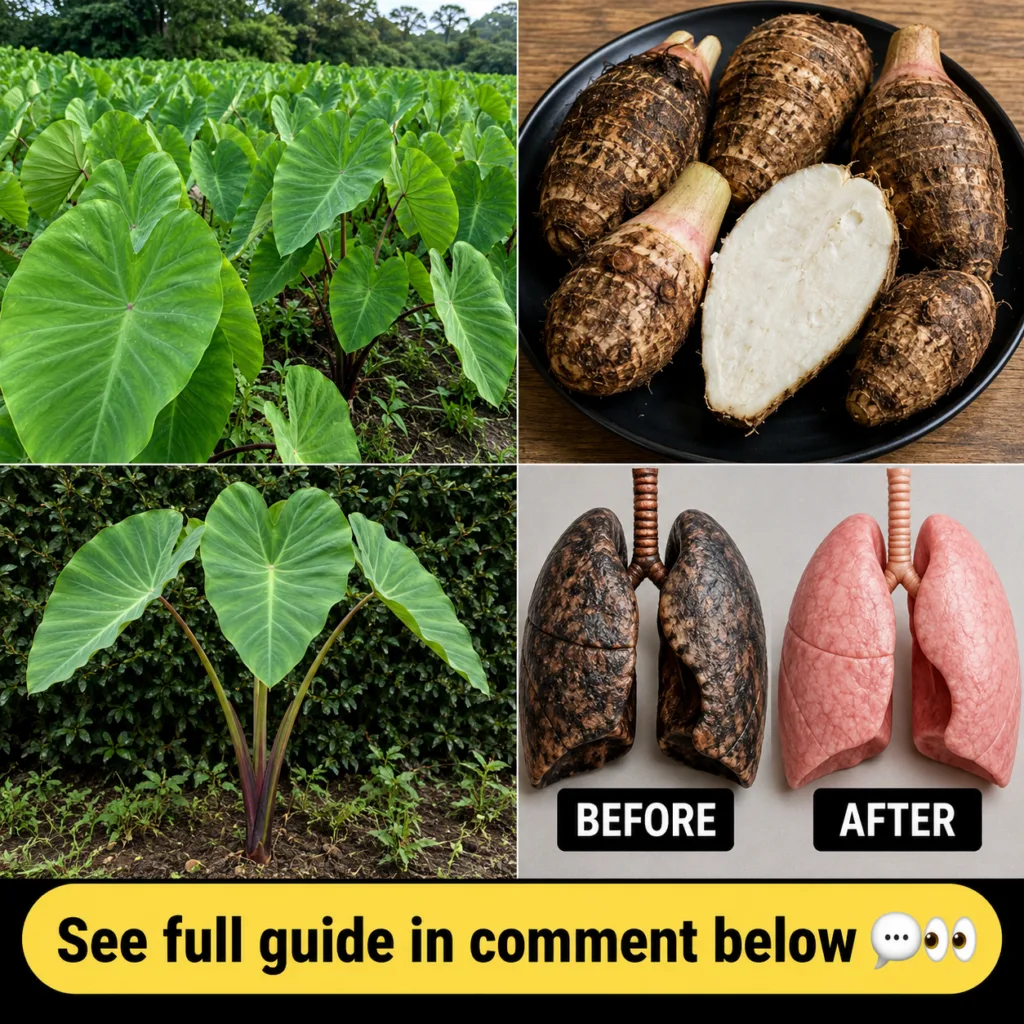
Taro root, a staple in many traditional diets, is more than just a nutritious vegetable. This humble root has been historically valued for its potential role in supporting overall well-being, particularly respiratory comfort. Today, we’re exploring how to incorporate taro into your routine as a simple, warming brew.
Quick Recipe
This simple taro root brew offers a comforting way to enjoy the root’s traditional benefits for lung health.
- Prep time: 10 minutes
- Best for: Supporting respiratory comfort and overall well-being
- Use type: Ingestible drink
Main ingredients:
- Taro Root
- Water
- Optional: Fresh Ginger, Honey
Ingredients
- 1 medium-sized taro root (about 8-10 oz or 200-280g)
- 4 cups of filtered water
- 1-2 inches fresh ginger, peeled and thinly sliced (optional, for added warmth and flavor)
- 1-2 teaspoons honey or maple syrup (optional, to taste)
How to Make It
- Prepare the Taro: Thoroughly wash the taro root. Peel the skin carefully. You might want to wear gloves as raw taro can sometimes cause skin irritation.
- Slice the Taro: Cut the peeled taro root into small cubes or thin slices. Smaller pieces will cook faster and release their goodness more readily.
- Combine Ingredients: In a medium saucepan, combine the taro root pieces and the 4 cups of water. If using, add the sliced ginger.
- Simmer: Bring the mixture to a boil over medium-high heat. Once boiling, reduce the heat to low, cover, and let it simmer for 20-30 minutes, or until the taro root is very tender and easily mashed with a fork.
- Strain and Serve: Strain the liquid into a mug, discarding the cooked taro and ginger (or you can enjoy the cooked taro as a soft side dish!). If desired, stir in honey or maple syrup to sweeten.
How to Use It
- Drink Warm: Enjoy your taro root brew warm.
- Sip Slowly: Take your time to sip the comforting beverage.
How Often to Use It
You can enjoy this taro root brew 1-2 times a day, especially during times when you’re looking for extra respiratory comfort. It’s a gentle addition to your daily routine.
Why These Ingredients Are Used
Taro Root
Taro root (Colocasia esculenta) is a starchy root vegetable rich in dietary fiber, vitamins (like Vitamin E, B6, and C), and minerals (such as potassium, magnesium, and manganese). In traditional practices, taro has been valued for its soothing properties and is often consumed to support overall health, including respiratory well-being. Its mucilaginous texture when cooked may offer a comforting effect.
Fresh Ginger (Optional)
Ginger is well-known in many traditional remedies for its warming and soothing qualities. It can complement the taro root by adding a pleasant flavor and a subtle boost to overall comfort.
Honey (Optional)
Honey is a natural sweetener that can also offer a soothing effect, particularly for the throat. It’s a popular addition to many home remedies for comfort.
What Results to Expect
Incorporating taro root into your diet through this comforting brew may help support a sense of respiratory comfort and overall well-being. Regular consumption, as part of a balanced diet, can contribute to maintaining general health. It’s a gentle, traditional approach that aims to nourish the body.
Safety Notes
- Must Be Cooked: Raw taro root contains calcium oxalate, which can cause irritation to the mouth and throat. Always cook taro thoroughly until very tender before consumption.
- Allergies: While rare, some individuals may have an allergic reaction to taro. If you experience any discomfort or adverse effects, discontinue use immediately.
- Medications & Health Conditions: If you are pregnant, nursing, have a pre-existing health condition, or are taking medications, consult with a healthcare professional before making significant dietary changes or incorporating new remedies.
- Listen to Your Body: Pay attention to how your body responds. If any discomfort occurs, stop using the remedy.
FAQ
Can I eat the cooked taro root?
Yes, absolutely! The cooked taro root itself is edible and nutritious. You can enjoy it as a soft, starchy side dish, mash it, or add it to other recipes after boiling it until very tender.
What does taro root taste like?
Cooked taro root has a mild, slightly sweet, and earthy flavor. Its texture is similar to a potato but can be creamier and slightly sticky. When brewed, the flavor is subtle and comforting.
Is taro root good for digestion?
Taro root is a good source of dietary fiber, which is known to support healthy digestion and promote gut health. The fiber content can aid in regularity and contribute to a feeling of fullness.
Final Thoughts
Taro root, with its rich history and nutritional profile, offers a unique way to connect with traditional wisdom for health and comfort. This simple brew provides a warming, gentle support for your respiratory well-being. Try adding this ancient remedy to your routine and discover a new level of natural comfort. Share your experience in the comments below!