Maximize Your Harvest: Build a Thriving Vertical Cucumber Garden with Upcycled Materials
Dreaming of a bountiful harvest but working with limited garden space? Many home gardeners face the challenge of growing more food in smaller areas. The good news is that with a bit of creativity and some readily available upcycled materials, you can transform even a compact corner into a productive edible oasis. Vertical gardening is a game-changer for small spaces, and by repurposing items like old tires and bamboo, you can create a unique, sustainable, and highly efficient system for your favorite vining crops, such as delicious cucumbers. This guide will walk you through building your own upcycled vertical garden and offer practical tips for growing a successful cucumber crop.
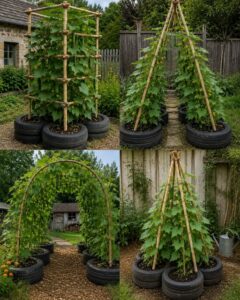
The Power of Vertical Gardening and Upcycling
Vertical gardening is an ingenious way to cultivate plants upward, rather than outward. This method not only conserves ground space but also enhances airflow around plants, which can reduce disease pressure. When you combine this with upcycling, you’re embracing sustainability by giving new life to materials that might otherwise end up in a landfill. Old tires and bamboo, often considered waste, become valuable resources for creating durable and cost-effective garden structures.
- Space Efficiency: Grow significantly more in a smaller footprint.
- Improved Air Circulation: Reduces humidity around foliage, lowering the risk of fungal diseases.
- Easier Access: No more excessive bending or kneeling for planting, watering, and harvesting.
- Resourceful & Sustainable: Reuses materials, lessening environmental impact and saving money.
Building Your Upcycled Vertical Cucumber Trellis
Creating this vertical system is simpler than you might think. Here’s a step-by-step guide to get your cucumber garden thriving:
Gather Your Materials
- Old Tires: Collect 2-3 standard car or truck tires per vertical stack. Ensure they are thoroughly cleaned. While some concerns exist about chemicals leaching from tires, studies generally suggest minimal risk for food crops, especially if the tires are well-weathered. For extra caution, line the inside with a thick plastic liner (with drainage holes) or use tires that have been exposed to the elements for a while.
- Bamboo Poles: About 6-8 feet long, you’ll need 3-4 poles per tire stack. Sturdy stakes or repurposed branches can also work.
- Potting Mix: A high-quality, well-draining potting mix is essential for container gardening. Amend with compost for added nutrients.
- Cucumber Seeds or Seedlings: Choose vining varieties for best results in a vertical system.
Assembly Steps
- Prepare Your Site: Choose a location that receives at least 6-8 hours of direct sunlight daily. Ensure the ground is relatively level.
- Stack the Tires: Place your first tire directly on the ground. Fill it about two-thirds full with your potting mix. Place the second tire on top of the first, aligning it, and then fill that with soil. Repeat for a third tire if desired. This stacking creates deep planting pockets.
- Install the Bamboo Trellis: Firmly push the ends of your bamboo poles into the soil inside the bottom tire, spacing them evenly around the circumference. Angle the poles inward and secure them together at the top, forming a sturdy teepee or A-frame structure. Use twine or wire to lash them together securely. This structure will provide robust support for your climbing cucumber vines.
- Fill with Soil: Top off the tires with your rich potting mix, leaving about an inch or two from the rim to prevent overflow during watering.
Growing Guide: Cucumbers in Your Vertical System
Cucumbers are warm-season lovers that thrive with consistent care. Here’s how to ensure a bountiful harvest in your new vertical setup:
Cucumber (*Cucumis sativus*)
Cucumbers are a fantastic choice for vertical gardening due to their vigorous vining habit. Training them upwards keeps the fruit clean, prevents rot, and makes harvesting a breeze.
- Hardiness: Grown as an annual in all USDA zones (typically zones 3-11 during their growing season). They are extremely sensitive to frost and require warm soil and air temperatures.
- Plant type: Annual vine. Vining varieties are best for this vertical setup; bush varieties are more compact but don’t climb.
- Exposure: Full sun is crucial, meaning 6 to 8 hours of direct sunlight per day.
- Soil and Drainage: Rich, well-draining soil with a pH between 6.0 and 6.8. Good drainage is especially important in tire containers to prevent root rot.
- Watering Needs: Cucumbers are thirsty plants, especially when grown in containers and during fruit development. Water deeply and consistently, aiming for consistently moist but not waterlogged soil. Check soil moisture daily by sticking a finger about an inch into the soil – water if it feels dry. In hot weather, you may need to water twice a day.
- Mature Height and Spread: Vining cucumbers can reach 6-10 feet or more, depending on the variety and support provided. The vertical system helps manage this spread.
- Planting Method: Sow seeds directly into the prepared tire after all danger of frost has passed and soil temperatures consistently reach 65°F (18°C) or higher. Plant 1-2 seeds per stack, thinning to the strongest seedling. Alternatively, transplant healthy seedlings when they have 2-3 true leaves.
- Spacing: Plant 1-2 cucumber plants per stacked tire system to allow adequate root development and airflow.
- Support Requirements: Gently guide and tie the cucumber vines to the bamboo trellis as they grow. They have tendrils that will help them grasp, but initial guidance ensures they climb efficiently.
- Pruning and Harvesting: Harvest cucumbers regularly when they reach the desired size to encourage continuous production. For pruning, focus on removing any yellowing or diseased leaves. Some gardeners prune secondary vines to favor main vine production, but it’s not strictly necessary for vining types unless the plant becomes too dense.
- Practical Care Tip: Apply a 1-2 inch layer of organic mulch (like straw or shredded leaves) on top of the soil in the tires. This helps retain soil moisture, regulate soil temperature, and suppress weeds, reducing the need for frequent watering.
- Warning: Be vigilant for common cucumber pests like cucumber beetles and squash bugs, and diseases such as powdery mildew, especially if air circulation is poor despite the vertical setup. Ensure consistent watering, as fluctuations can lead to bitter fruits.
Regional and Seasonal Considerations for Growing Cucumbers
Cucumber planting times vary significantly across the United States due to different climates and frost dates:
- Northern Zones (USDA 3-5): Gardeners here often need to start cucumber seeds indoors 3-4 weeks before the last expected frost date to get a head start. Transplant outdoors when soil temperatures are reliably warm (above 65°F / 18°C) and night temperatures stay above 50°F (10°C).
- Mid-Atlantic & Midwest (USDA 6-8): Direct sowing is common after the last frost, usually in late April or May. Pay attention to your local extension service’s recommendations for precise planting windows.
- Southern Zones (USDA 9-11): These regions can often plant cucumbers earlier in spring, sometimes as early as March. In very hot climates, a second planting in late summer for a fall harvest is possible, as extreme summer heat can stress plants. Consider afternoon shade in the hottest months.
Always check your local frost dates and soil temperature. These are more reliable indicators than calendar months alone.
Common Mistakes and How to Avoid Them
Even with a clever setup, certain pitfalls can hinder your cucumber harvest. Here’s how to sidestep them:
- Insufficient Sunlight: Cucumbers are sun worshipers. Planting in a shady spot will result in weak growth and poor fruit production. Ensure your vertical garden receives at least 6-8 hours of direct sun.
- Inconsistent Watering: Fluctuating moisture levels can cause bitter cucumbers or lead to blossom end rot. Use the finger test to check soil moisture daily, especially in containers which dry out faster.
- Lack of Support: Choosing a vining variety without adequate support means vines will sprawl and become prone to disease. Guide those tendrils onto your bamboo trellis early!
- Overcrowding: Planting too many cucumbers in one stack reduces airflow and competition for nutrients, leading to weaker plants and smaller yields. Stick to 1-2 plants per tire stack.
- Neglecting Tire Preparation: While generally safe, give old tires a good scrub before use, especially if they have oily residues. This simple step contributes to a healthier growing environment.
- Ignoring Pest and Disease Symptoms: Regularly inspect your plants for signs of trouble. Early detection of pests like aphids or diseases like powdery mildew allows for more effective and less disruptive treatment.
Grow Up, Not Out!
Creating an upcycled vertical cucumber garden is a rewarding project that transforms unused materials into a vibrant, productive space. Not only will you enjoy fresh, homegrown cucumbers, but you’ll also contribute to a more sustainable gardening practice. With the right sunlight, consistent watering, and a little guidance, your bamboo and tire trellis will soon be laden with crisp, delicious fruit. Get started today and watch your garden grow upwards!