Broadleaf Plantain: The Common Plant With Surprising Wellness Benefits!
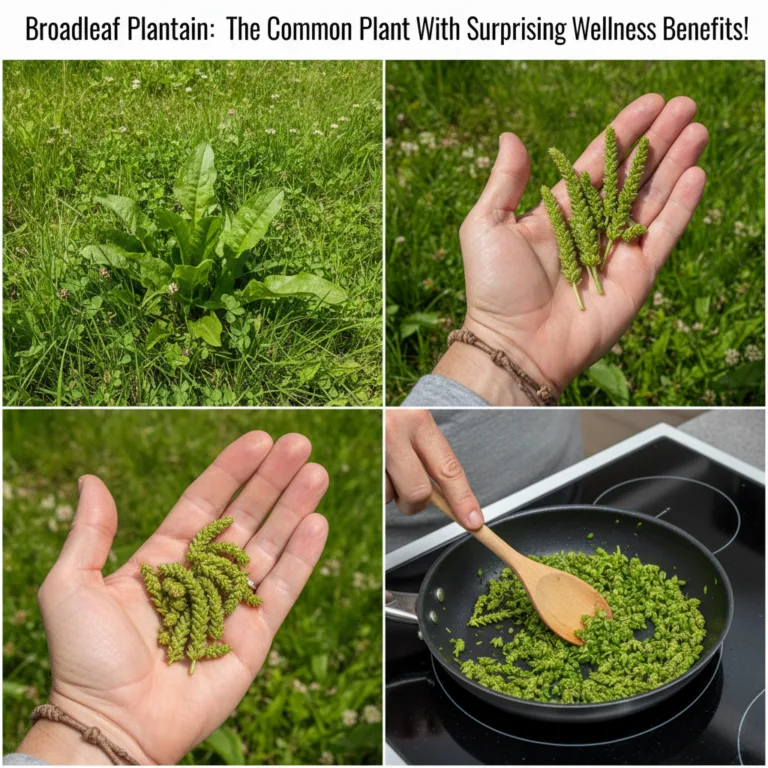
Have you ever paused to truly look at the plants that grow abundantly around you, perhaps even in your own backyard? Most of us are quick to dismiss certain persistent greens as mere ‘weeds,’ plants we try to eradicate rather than appreciate. But what if one of these very common plants held ancient secrets for your natural well-being?
Today, we’re uncovering the hidden wonders of a plant you’ve likely walked past countless times: Broadleaf Plantain (Plantago major). Far from being just a nuisance, this resilient plant has a long, rich history of use in traditional wellness practices across the globe. Prepare to be surprised by the natural wisdom packed into those unassuming green leaves!
Why This Matters
In our modern world, we often seek exotic remedies or complex supplements to support our health. Yet, sometimes the most profound helpers are right under our noses, literally. Broadleaf Plantain embodies this perfectly. It thrives in disturbed soils, roadsides, and lawns, making it one of the most accessible natural remedies.
Its popularity in traditional folk medicine, and its recent resurgence in natural wellness circles, isn’t just a trend. As more people seek gentle, accessible, and natural ways to support their bodies, the humble plantain offers a compelling option. From soothing skin irritations to supporting digestion, its versatile properties have caught the attention of those looking for holistic approaches to vitality and healthy aging.
Main Educational Content
Broadleaf Plantain, also known as common plantain, is a perennial herb recognized by its broad, ribbed leaves that form a rosette close to the ground, and its slender flower stalks. But what makes this everyday plant so special?
How Broadleaf Plantain Works
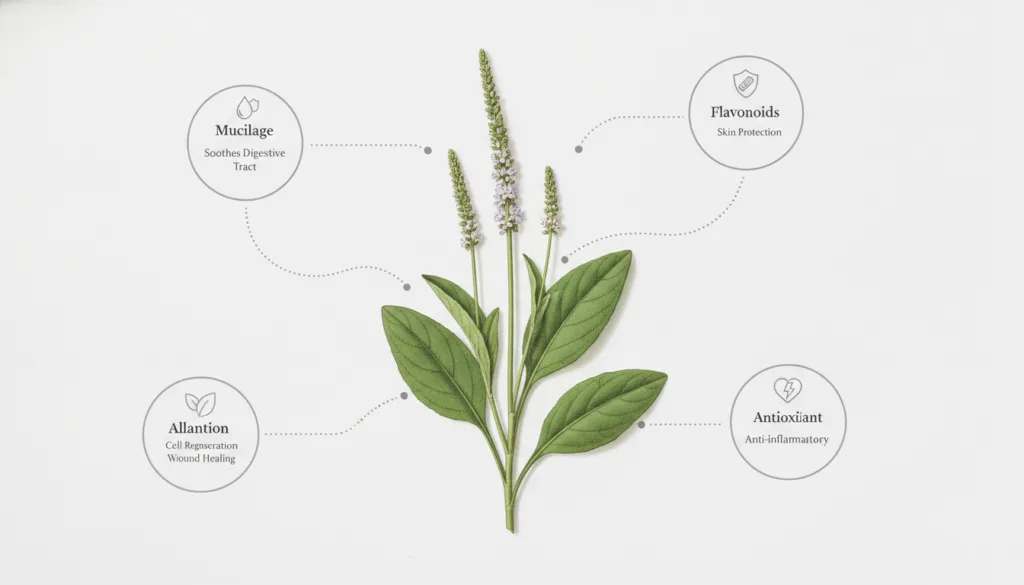
At the heart of plantain’s wellness potential are its unique compounds:
- Mucilage: This gelatinous substance helps soothe irritated mucous membranes, both internally (like the digestive tract) and externally (on the skin). It’s what gives plantain its demulcent properties.
- Allantoin: A compound known for promoting cell growth and tissue regeneration. This is key to plantain’s traditional use for wound healing.
- Flavonoids: These powerful antioxidants help protect cells from damage and may contribute to its anti-inflammatory properties.
- Tannins: These compounds have astringent qualities, meaning they can help tighten tissues and reduce secretions, which is useful for minor bleeding and skin irritations.
Traditional Uses
For centuries, plantain has been a go-to remedy in various folk medicine traditions:
- Skin Soother: Traditionally, crushed plantain leaves were applied as a poultice to minor cuts, scrapes, insect bites, bee stings, and rashes to draw out toxins, reduce swelling, and soothe irritation. It was often called the ‘Band-Aid plant.’
- Digestive Support: The mucilage content made it a popular choice for calming upset stomachs and promoting healthy bowel function.
- Respiratory Aid: Infusions or teas were used to ease coughs and mild respiratory irritation.
Modern Understanding & Potential Benefits
While scientific research on Broadleaf Plantain is ongoing, some studies and traditional knowledge suggest a range of potential benefits:
- Minor Wound Care: Its allantoin and astringent properties may support the healing of minor skin abrasions and help reduce inflammation from insect bites.
- Anti-Inflammatory Properties: Flavonoids and other compounds may contribute to reducing localized inflammation.
- Digestive Wellness: The soothing mucilage can help maintain a healthy gut lining and support regularity.
- Antioxidant Boost: Antioxidants help protect the body’s cells from oxidative stress.
It’s important to remember that while traditional uses are well-documented, modern scientific evidence for all claimed benefits is still developing. Always approach natural remedies with an open, yet discerning, mind.
Practical Guide: Incorporating Broadleaf Plantain into Your Wellness Routine
If you’re curious to explore the benefits of Broadleaf Plantain, here are some simple and practical ways to use it. Remember to always identify the plant correctly before use.
Identification and Foraging Tips:
- Look for: Broad, oval leaves with distinct parallel veins running from the base to the tip. They grow in a rosette pattern close to the ground.
- Habitat: Commonly found in lawns, gardens, disturbed soil, and along paths.
- Harvesting: Choose young, tender leaves from areas free from pesticides or pollution.
Usage Ideas:
- Fresh Poultice for Skin Irritations:
- Gather a few clean plantain leaves.
- Chew them briefly or crush them with a mortar and pestle to release their juices.
- Apply the crushed leaves directly to minor cuts, scrapes, insect bites, or stings.
- Cover with a clean cloth or bandage. Change every few hours.
- Soothing Plantain Tea:
- Harvest 3-4 fresh, clean plantain leaves (or 1-2 teaspoons of dried leaves).
- Steep in 1 cup of hot water for 10-15 minutes.
- Strain and enjoy. This may help with mild digestive upset or a soothing feeling.
- Edible Green:
- Young, tender plantain leaves can be added to salads, smoothies, or sautéed like spinach. They have a slightly bitter, earthy taste.
- They can also be a nutritious addition to soups and stews.
Safety & Precautions
While Broadleaf Plantain is generally considered safe for topical use and consumption in moderation, it’s wise to be aware of potential considerations:
- Identification: Always be 100% certain you have correctly identified Broadleaf Plantain before using it. There are other plants that look similar.
- Allergies: As with any plant, some individuals may have an allergic reaction. Test a small area on your skin first.
- Existing Medical Conditions & Medications: If you have an existing medical condition, are pregnant or breastfeeding, or are taking any medications, consult your healthcare professional before incorporating plantain into your internal wellness routine.
- Sourcing: Ensure leaves are harvested from clean areas free of pesticides, herbicides, or heavy metals.
- Internal Use: While traditionally used internally, excessive consumption may cause mild laxative effects due to the mucilage content.
Key Takeaways
- Broadleaf Plantain (Plantago major) is a common ‘weed’ with a long history of traditional wellness use.
- It contains beneficial compounds like mucilage, allantoin, flavonoids, and tannins.
- Traditionally used for soothing skin irritations (cuts, bites, stings) and supporting digestion.
- Modern understanding suggests potential for minor wound care, anti-inflammatory support, and antioxidant benefits.
- Can be used topically as a poultice or internally in teas and as an edible green.
- Always ensure correct identification and consult a healthcare professional if you have health concerns or are on medication.
FAQ
Q1: Is Broadleaf Plantain the same as the banana-like plantain fruit?
No, they are completely different plants. Broadleaf Plantain (Plantago major) is a leafy herb, while the plantain fruit is a type of cooking banana from the genus Musa.
Q2: Can I eat Broadleaf Plantain raw?
Yes, young, tender leaves can be eaten raw in salads or smoothies. Older leaves can be tougher and more bitter, so they are often better cooked.
Q3: How do I make a plantain poultice?
Simply crush or chew fresh, clean plantain leaves until they release their juices, then apply the mashed leaves directly to the affected skin area. Cover with a bandage or cloth.
Q4: Does plantain help with poison ivy?
Many traditional herbalists use plantain to help soothe the itch and inflammation of poison ivy rashes due to its anti-inflammatory and demulcent properties. However, individual results may vary.
Q5: Is it safe to forage plantain from my backyard?
Only if you are certain your backyard is free from pesticides, herbicides, and other pollutants. Always wash foraged plants thoroughly.
Related Reading
- The Power of Dandelion: More Than Just a Weed
- Herbal Teas for Digestive Comfort
- Natural Remedies for Minor Cuts and Scrapes
- Boost Your Wellness with Antioxidant-Rich Foods
- Foraging for Health: Beginner’s Guide to Wild Edibles