Imagine if some of the most common ingredients in your kitchen held the secret to a stronger immune system and a calmer, more balanced body. What if these humble spices, often overlooked beyond their flavor-enhancing roles, were actually powerful allies in your journey toward natural wellness?
For centuries, cultures around the world have prized garlic, oregano, and cinnamon not just for their culinary charm, but for their profound health benefits. Today, modern science is increasingly uncovering what traditional wisdom has long known: these pantry staples are packed with compounds that can help fortify your defenses and soothe inflammation.
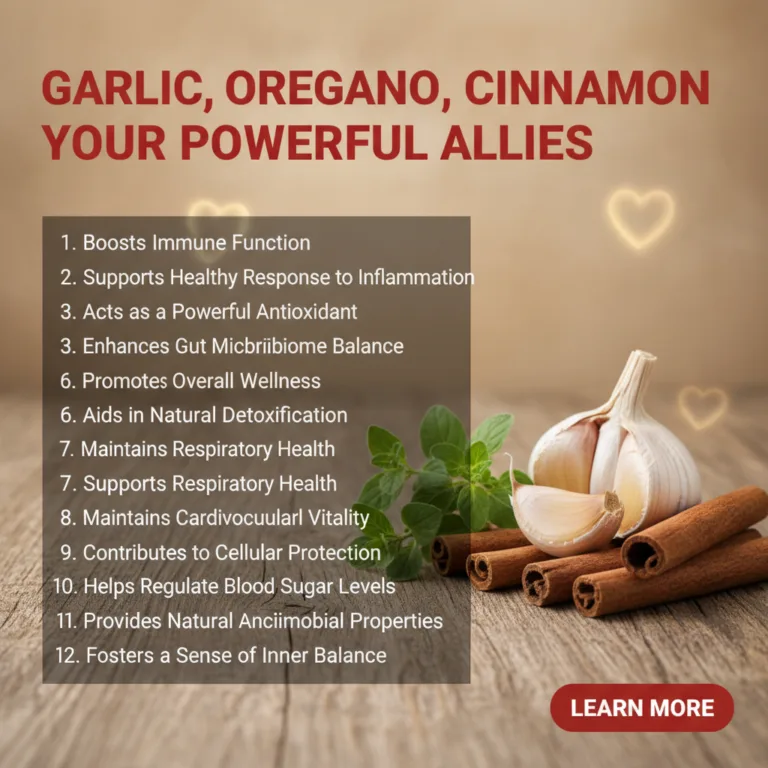
Why These Everyday Spices Matter for Your Wellness
In our busy lives, supporting our immune system and managing inflammation often feels like a complex task. We’re constantly exposed to environmental stressors, and our bodies are working hard to maintain balance. This is where simple, natural approaches can make a world of difference.
Garlic, oregano, and cinnamon have gained significant attention because they offer accessible and natural ways to contribute to these vital aspects of health. Many people are looking for gentle, food-based methods to feel their best, rather than relying solely on synthetic solutions. These spices provide an appealing option for those who prefer to nurture their body with ingredients derived from nature, fitting perfectly into a holistic wellness approach.
Garlic: The Pungent Protector
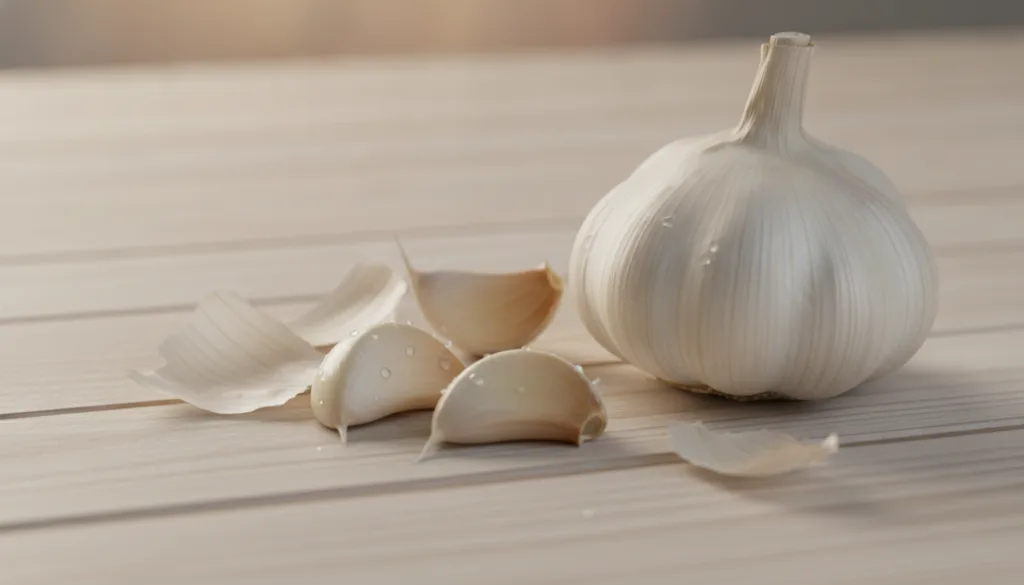
Known for its distinctive aroma and flavor, garlic (Allium sativum) has been revered for its medicinal properties since ancient times. From Egyptian pharaohs to Roman soldiers, it was a staple for strength and health.
- How it Works: Garlic’s primary active compound, allicin, is responsible for many of its health benefits. Allicin is released when garlic is crushed, chopped, or chewed.
- Traditional Uses: Historically used to ward off illness, support heart health, and as a natural antimicrobial.
- Modern Understanding: Some studies suggest garlic may support immune cell function, help maintain healthy blood pressure levels already within the normal range, and possess antioxidant properties that combat free radicals.
Oregano: The Mediterranean Marvel
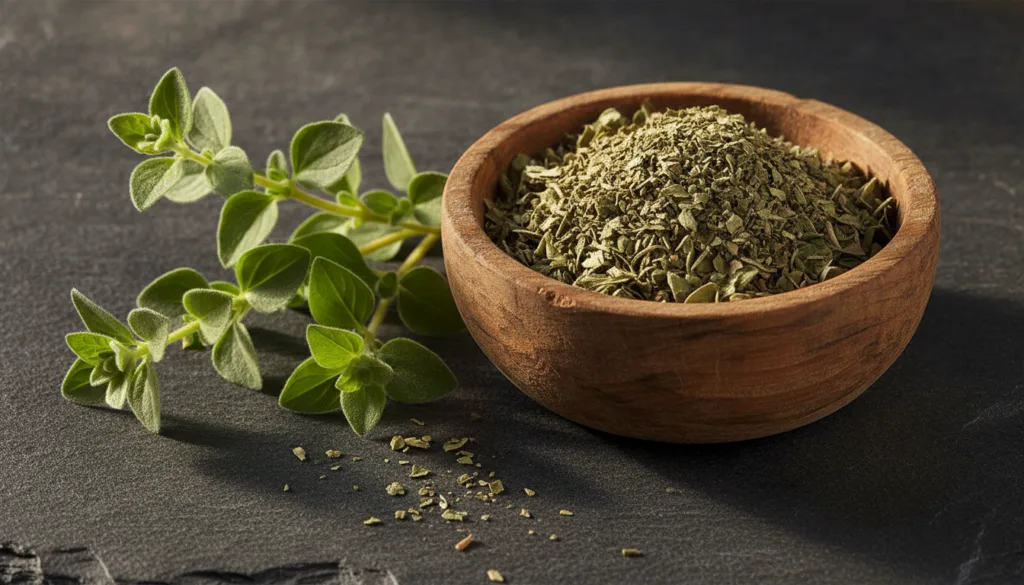
More than just a pizza topping, oregano (Origanum vulgare) is a potent herb from the mint family with a rich history in traditional medicine, particularly in Mediterranean cultures.
- How it Works: Its key compounds, carvacrol and thymol, are potent antioxidants and contribute to its traditional uses.
- Traditional Uses: Employed to support digestion, respiratory health, and as a general tonic for well-being.
- Modern Understanding: Research indicates that oregano’s compounds may exhibit powerful antioxidant activity and contribute to the body’s natural defense against certain microbes. It may also play a role in calming inflammatory responses.
Cinnamon: The Sweet & Spicy Healer
This beloved spice, derived from the bark of cinnamon trees (Cinnamomum), adds warmth to both sweet and savory dishes. It’s also one of the oldest spices known to humankind, valued for its distinctive aroma and potential health benefits.
- How it Works: Cinnamon’s active compounds, particularly cinnamaldehyde, are believed to be responsible for its effects.
- Traditional Uses: Used for digestive support, to warm the body, and to help balance blood sugar.
- Modern Understanding: Some studies suggest cinnamon may help support healthy blood sugar levels already within a normal range and possesses significant antioxidant and anti-inflammatory properties, which can be beneficial for overall cellular health.

Practical Guide: Incorporating Them Into Your Routine
Integrating these powerful allies into your daily life is easier and more delicious than you might think!
Garlic
- Cooking: Add fresh, crushed garlic to nearly any savory dish – stir-fries, soups, stews, pasta sauces, roasted vegetables. Crushing it a few minutes before cooking helps release allicin.
- Raw: Finely mince and add to salad dressings, guacamole, or homemade hummus.
- Infused Oil: Infuse olive oil with garlic (use immediately or store safely to prevent bacterial growth).
Oregano
- Cooking: Sprinkle dried oregano into tomato sauces, marinades, on roasted chicken or fish, and in egg dishes.
- Fresh: Add fresh oregano leaves to salads, salsas, or as a garnish for Mediterranean-inspired dishes.
- Tea: Steep a teaspoon of dried oregano in hot water for a soothing herbal tea.
Cinnamon
- Breakfast: Sprinkle ground cinnamon on oatmeal, yogurt, fruit, or into your morning coffee or smoothie.
- Baking: A natural fit for muffins, bread, and desserts.
- Drinks: Add a cinnamon stick to hot tea, cider, or even warm water for a subtly flavored beverage.
- Savory Dishes: Try it in chili, curries, or stews for a touch of warmth and depth.
Synergistic Combinations
These three ingredients work wonderfully together. Think:
- Garlic, oregano, and a pinch of cinnamon in a hearty chili.
- A sprinkle of all three on roasted root vegetables.
- Infusing hot water with cinnamon sticks and a slice of ginger, then adding a drop of oregano oil (if using) and a squeeze of lemon.

Safety & Precautions
While garlic, oregano, and cinnamon are generally safe for most people when consumed in culinary amounts, it’s always wise to be aware of potential considerations:
- Allergies: Some individuals may have allergies to these spices.
- Garlic: Large amounts of raw garlic can cause digestive upset, heartburn, or bad breath. It may also thin the blood; consult a healthcare professional if you are on blood-thinning medication.
- Oregano: High doses of oregano oil (which is much more concentrated than the herb) can sometimes cause stomach upset. Pregnant or breastfeeding women should exercise caution with concentrated forms of oregano.
- Cinnamon: Consuming very large amounts of Cassia cinnamon (the most common type) regularly may be problematic due to its coumarin content, which can potentially impact liver health in sensitive individuals. Ceylon cinnamon has much lower coumarin levels.
- Interactions: If you are on medication (especially blood thinners, diabetes medication, or blood pressure medication), or have existing medical conditions, it’s always best to consult your healthcare professional before significantly increasing your intake of any herb or spice, or before taking supplements.
Key Takeaways
- Garlic, oregano, and cinnamon are culinary staples with long histories of traditional use for wellness.
- They contain active compounds like allicin, carvacrol, thymol, and cinnamaldehyde, which contribute to their potential health benefits.
- These spices may support a healthy immune system, offer antioxidant protection, and help manage inflammatory responses.
- Incorporating them into your daily cooking is a simple and delicious way to enhance your natural wellness routine.
- Always consume in moderation and consult a healthcare professional if you have concerns or existing health conditions.
FAQ
Can I consume garlic, oregano, and cinnamon every day?
Yes, incorporating them into your daily cooking in typical culinary amounts is generally safe and encouraged for most people. For larger, therapeutic doses or supplements, it’s best to consult a healthcare professional.
Is there a difference between Ceylon and Cassia cinnamon?
Yes, there is. Ceylon cinnamon (often called ‘true’ cinnamon) has a milder flavor and significantly lower levels of coumarin, a compound that can be harmful in large doses. Cassia cinnamon is more common, has a stronger flavor, and higher coumarin content. For regular, higher intake, Ceylon cinnamon is often recommended.
What’s the best way to get the most benefits from garlic?
To maximize allicin production, crush or chop fresh garlic and let it sit for 5-10 minutes before cooking. This allows the enzymes to activate. Eating it raw in dressings or salsas is also highly beneficial.
Can I use essential oils of oregano or cinnamon instead of the spices?
Essential oils are highly concentrated and should be used with extreme caution, often diluted, and under the guidance of a qualified practitioner. They are much more potent than the whole spices and should not be ingested without professional advice.
Do these spices ‘boost’ immunity, or just support it?
It’s more accurate to say these spices support a healthy immune system rather than ‘boost’ it. They provide the body with beneficial compounds that help it function optimally, rather than unnaturally enhancing its response.
Related Reading
Want to continue exploring natural ways to nurture your body? Dive deeper into these topics:
- The Power of Anti-Inflammatory Foods in Your Daily Diet
- Herbal Remedies for Seasonal Wellness
- Exploring Turmeric: Nature’s Golden Healer
- Simple Steps to Support Your Digestive Health Naturally
- Beyond the Basics: Uncovering Hidden Superfoods