Are you looking for a natural approach to improve the appearance of stubborn warts? Many home beauty routines turn to simple kitchen ingredients for accessible solutions. One popular traditional remedy involves the use of apple cider vinegar, a common household item often praised for its potential skin benefits. This article shares a simple method for using apple cider vinegar to help address warts and support clearer-looking skin.
Quick Recipe
Prep time: 5 minutes
Best for: Addressing the appearance of common warts
Use type: Topical paste/compress
Main ingredients:
- Apple Cider Vinegar (ACV)
- Cotton balls or pads
- Adhesive bandage or medical tape
Ingredients
- 1 tablespoon unfiltered Apple Cider Vinegar (with ‘the mother’)
- Small cotton ball or a piece of cotton pad
- Adhesive bandage or medical tape
- Petroleum jelly (optional, for skin protection)
How to Prepare It
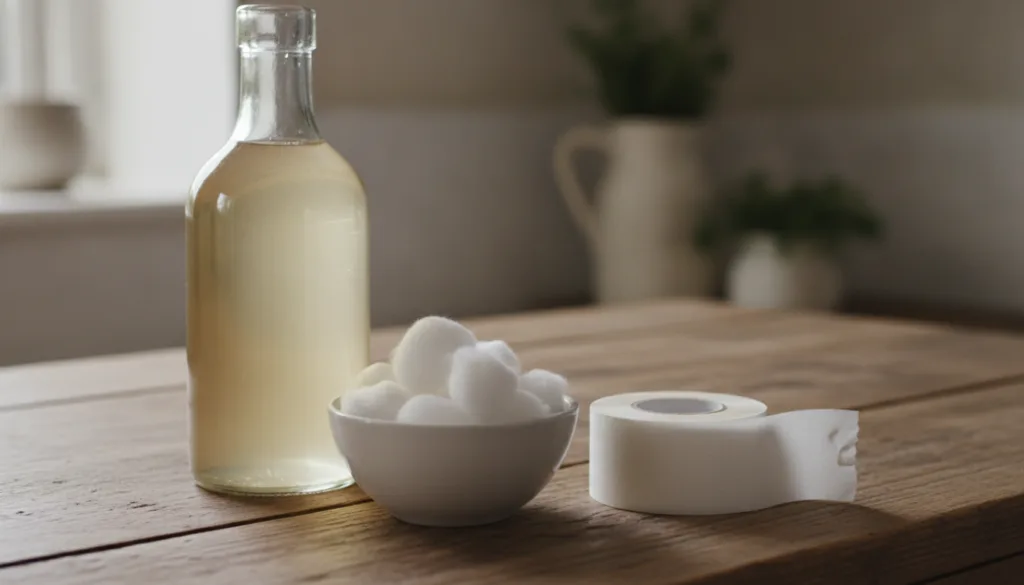
- Gather all your materials: apple cider vinegar, cotton balls, and adhesive bandage/tape.
- If you have sensitive skin, you may want to apply a thin layer of petroleum jelly around the skin surrounding the wart, avoiding direct contact with the wart itself. This can help protect the healthy skin from irritation.
How to Use It
- Soak a small cotton ball or a piece of cotton pad with apple cider vinegar. Ensure it’s saturated but not dripping excessively.
- Place the soaked cotton ball directly onto the wart, making sure the entire wart is covered.
- Secure the cotton ball in place using an adhesive bandage or medical tape. Ensure it is snug enough to stay put but not so tight that it restricts circulation.
- Leave the compress on for several hours, ideally overnight (6-8 hours), or for at least 2-3 hours during the day.
- Remove the compress and wash the area gently with water. Allow the skin to air dry.
How Often to Use It
This remedy can be applied once daily, typically in the evening, until the wart appears to diminish or fall off. Consistency is often key with natural remedies, but always observe your skin’s reaction and adjust as needed.
Why These Ingredients Are Used
Apple Cider Vinegar (ACV)
Apple Cider Vinegar is a fermented product of apples. It contains acetic acid, which is believed to have properties that may help with various skin concerns. In traditional home remedies, the acidity of ACV is thought to help gently exfoliate the skin and address the cells associated with warts, potentially leading to their natural resolution. It’s a popular choice for those seeking natural, accessible beauty solutions.
The ‘mother’ in unfiltered ACV refers to the cloudy collection of beneficial bacteria, yeasts, and proteins that are a byproduct of the fermentation process. While research on its direct effect on warts is limited, the ‘mother’ is often associated with the overall health benefits attributed to ACV in general wellness and traditional beauty practices.
What Results to Expect
With consistent use, you may observe the wart gradually changing in appearance. It might darken, shrink, or feel softer before potentially diminishing. The goal is to support your skin’s natural process in addressing the wart, leading to clearer and smoother-looking skin over time. Individual results can vary, and patience is often required.
Safety Notes
- Patch test first: Always perform a patch test on a small, inconspicuous area of your skin before full application, especially if you have sensitive skin, to check for any adverse reactions.
- Use gently: Apple cider vinegar is acidic. If you experience burning, stinging, or excessive redness, remove the compress immediately and rinse with water. Discontinue use if irritation persists.
- Avoid irritated or broken skin: Do not apply apple cider vinegar to open wounds, cuts, or areas of broken or highly irritated skin.
- Protect surrounding skin: Consider applying a barrier like petroleum jelly to the healthy skin around the wart to help prevent irritation.
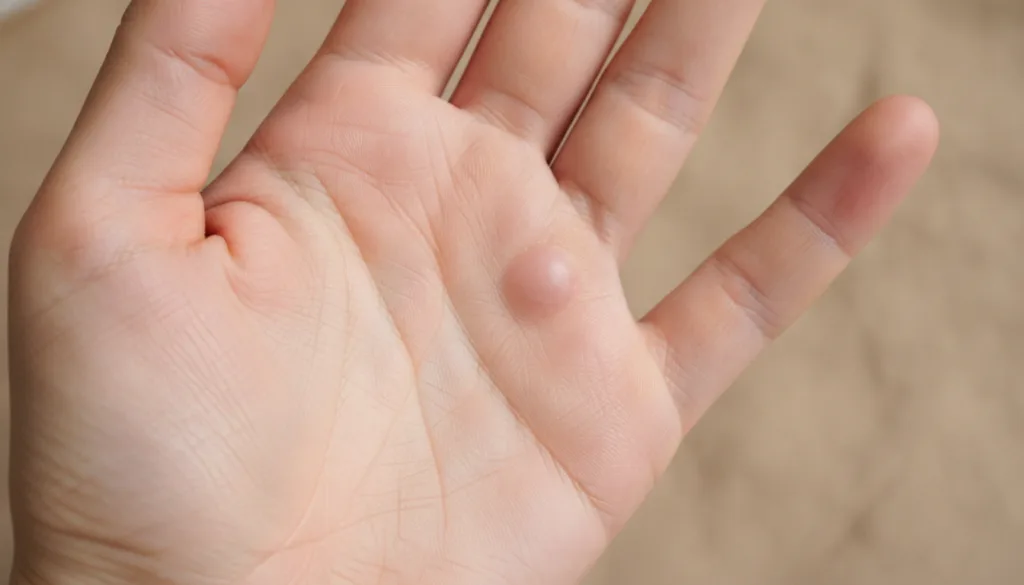
- Not for all warts: This remedy is generally suggested for common warts. Do not use this method for warts on sensitive areas like the face, genitals, or if you have a compromised immune system, diabetes, or poor circulation. Consult a healthcare professional for such cases or if you are unsure about the nature of the skin growth.
- Consistency is key, but don’t overdo it: While daily application is suggested, listen to your skin. If it becomes too sensitive, reduce the frequency or take a break.
FAQ
Can I use any type of apple cider vinegar?
It’s often recommended to use unfiltered apple cider vinegar with ‘the mother’ for home remedies, as it contains beneficial compounds from the fermentation process. However, filtered ACV still contains acetic acid.
How long does it take for the wart to go away?
Results vary greatly from person to person and depend on the size and type of the wart. Some people may see changes within a few weeks, while for others, it might take longer. Patience and consistent application are key.
What if my skin gets irritated?
If your skin becomes excessively red, sore, or irritated, stop using the apple cider vinegar immediately. Rinse the area with cool water and allow it to heal. You might try diluting the ACV with water (1:1 ratio) for future applications or discontinue use entirely if irritation is severe.
Final Thoughts
Embracing natural home remedies like this apple cider vinegar compress can be a rewarding part of your beauty and wellness journey. While not a guaranteed ‘cure,’ it offers a traditional, accessible way to help improve the appearance of warts and support smoother-looking skin. Always prioritize your skin’s health and consult a professional if you have persistent concerns. Share your experiences in the comments below!