A bungalow home carries a unique charm, often evoking a sense of history and cozy comfort. Yet, over time, even the most beloved Craftsman bungalow can look a bit tired, with overgrown landscaping and a neglected front porch obscuring its inherent beauty. If you’re looking at your own bungalow and dreaming of a more welcoming, vibrant curb appeal, you’re in the right place. Unlocking your home’s original character isn’t about grand renovations; it’s often about thoughtful landscaping, strategic porch updates, and a bit of gardening magic.
This guide will walk you through transforming your bungalow’s front yard into a true retreat, enhancing its architectural lines while creating a garden space that invites joy and connection. You’ll gain practical insights on plant selection, design principles, and essential care tips to bring out the very best in your home and garden.
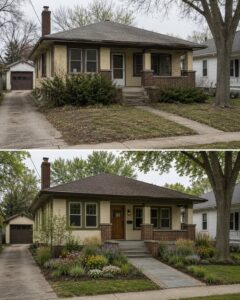
The Enduring Appeal of a Bungalow Front Yard
Your front yard is more than just a patch of grass; it’s the welcoming handshake to your home, a reflection of your personal style, and a critical component of your home’s overall curb appeal. For bungalows, the front yard and porch are intrinsically linked to the home’s character. Often, these homes feature broad, inviting porches and an architectural style that blends seamlessly with nature. When designing or refreshing your bungalow garden, the goal is to enhance these existing features, creating harmony between the built structure and the living landscape.
Crafting a Landscape that Complements Your Home’s Architecture
The key to a successful bungalow garden transformation lies in understanding and respecting the home’s architectural style. Craftsman bungalows are known for their natural materials, low-pitched roofs, and often, an emphasis on handcrafted details. Your garden should echo these characteristics, creating a cohesive visual story.
Embracing Architectural Harmony
Choose plants and hardscaping materials that complement the natural tones and textures of your bungalow. Think about indigenous plants, stone pathways, and wooden elements that feel right at home with the Craftsman aesthetic. Avoid overly formal or exotic plantings that might clash with the humble elegance of the bungalow.
Creating Inviting Pathways and Entrances
A clear, welcoming path is essential. If your existing path is narrow or cracked, consider widening it with natural stone pavers, brick, or permeable gravel. Border the path with low-growing plants that add softness and guide visitors toward your newly revitalized porch. Ensure pathways are well-lit for safety and ambiance.
Landscaping for Lasting Beauty and Function
Opening up the landscaping doesn’t mean removing everything; it means thoughtful pruning, strategic planting, and creating layers of interest that don’t overwhelm the house.
Foundation Plantings: The Green Base
Foundation plantings are the shrubs and perennials that typically line the base of your home. They serve to soften harsh architectural lines and integrate the house with the garden. When choosing these plants, consider their mature size to avoid obscuring windows or growing too close to the siding.
- Evergreen Shrubs: Provide year-round structure and color. Look for dwarf conifers, boxwood (Buxus sempervirens), or compact hollies (Ilex species). Ensure they are pruned to maintain their size and shape without becoming too dense.
- Deciduous Shrubs: Offer seasonal interest with flowers, berries, or fall color. Hydrangeas (Hydrangea spp.), Spirea (Spiraea spp.), or dwarf Witch Hazel (Hamamelis spp.) can be excellent choices.
- Perennials: Incorporate plants like Hostas, Ferns, or ornamental grasses for varied textures. Choose varieties suitable for your sunlight conditions, whether it’s full sun along a south-facing wall or shade under a mature tree.
Practical Tip: Plant shrubs at least 2-3 feet away from your home’s foundation to allow for air circulation and future growth, preventing moisture issues and making maintenance easier.
Adding Seasonal Color and Interest
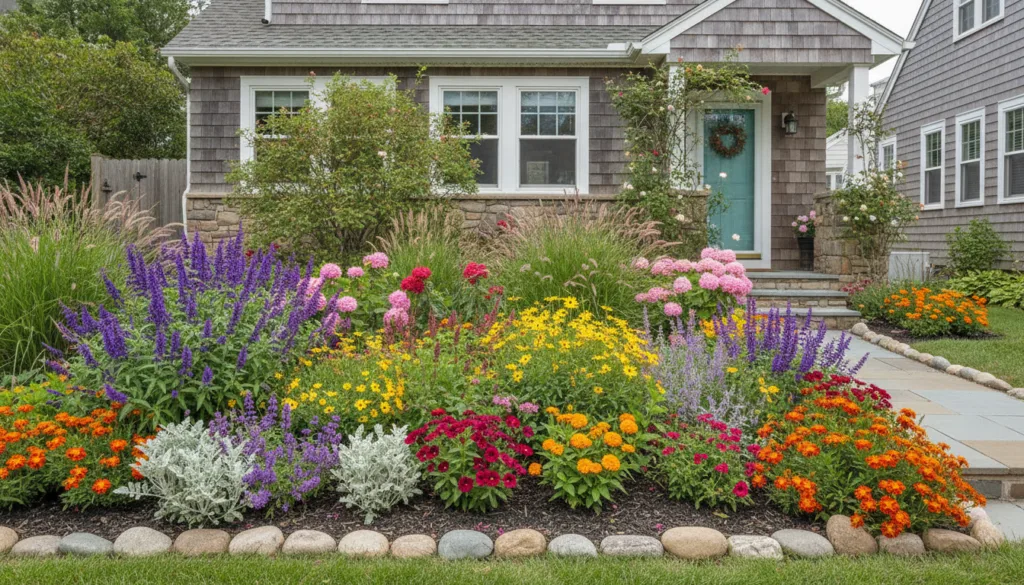
Beyond foundation plants, add bursts of color and texture with flowering plants. This is where you can truly express your personality and create a dynamic garden throughout the year.
- Annuals: For continuous, season-long color, annuals are unmatched. Petunias, Impatiens (for shade), Marigolds, or Coleus can fill gaps and provide instant cheer. Rotate them seasonally to keep things fresh.
- Perennials: For longer-term solutions, select perennials that bloom at different times, ensuring there’s always something interesting to see. Think Coneflowers (Echinacea purpurea), Daylilies (Hemerocallis spp.), Lavender (Lavandula spp.), or Salvia (Salvia spp.). Group plants with similar water and sun needs.
Practical Tip: Practice succession planting with annuals and certain perennials. As one plant fades, another is ready to take its place, extending your garden’s bloom time.
Selecting the Right Plants for Your Climate (USDA Zones)
Understanding your USDA Hardiness Zone is crucial for selecting plants that will thrive. These zones (ranging from 3 to 11 in the continental U.S.) indicate the average annual extreme minimum winter temperature. Always choose plants rated for your specific zone or a colder one if you want a perennial to reliably return year after year.
- Zones 3-5: Focus on extremely cold-hardy plants. Winter protection may be necessary for some borderline perennials.
- Zones 6-8: A wide range of plants thrive here, but consider summer heat and humidity, which aren’t reflected in zone ratings.
- Zones 9-11: Enjoy a long growing season and often mild winters. Many plants grown as annuals in colder climates can be perennials here.
Practical Tip: Beyond zones, consider your local microclimate. A sunny spot against a brick wall can be significantly warmer than an open, windy area in the same yard.
Smart Soil and Watering Practices
Healthy soil is the foundation of a thriving garden. Most garden plants prefer well-draining soil rich in organic matter.
- Soil Preparation: Before planting, test your soil to understand its composition and pH. Amend heavy clay soils with compost and grit, and sandy soils with compost to improve water retention.
- Watering Needs: Water deeply and infrequently, encouraging roots to grow deeper. Check soil moisture by sticking your finger about an inch or two into the soil; if it feels dry, it’s time to water. Drip irrigation or soaker hoses can be efficient for established beds.
Revitalizing Your Bungalow Porch: An Outdoor Room
The porch is an extension of your home, and for a bungalow, it’s a defining feature. Restoring it means more than just a fresh coat of paint; it means making it an inviting space for relaxation and enjoyment.
Porch Planters: Greenery at Eye Level
Container gardening on your porch adds instant color, height, and can be easily changed with the seasons. Choose pots that complement your home’s style—terracotta, glazed ceramic, or natural wood are often good fits.
- Thriller, Filler, Spiller: A popular container design method. The ‘thriller’ is a tall, dramatic plant (e.g., Canna Lily, ornamental grass). The ‘filler’ provides medium height and volume (e.g., Petunias, Begonias). The ‘spiller’ trails over the edge (e.g., Sweet Potato Vine, Ivy).
- Drainage: Always use pots with drainage holes. Overwatering is a common killer of container plants.
Seating and Decor: Completing the Retreat
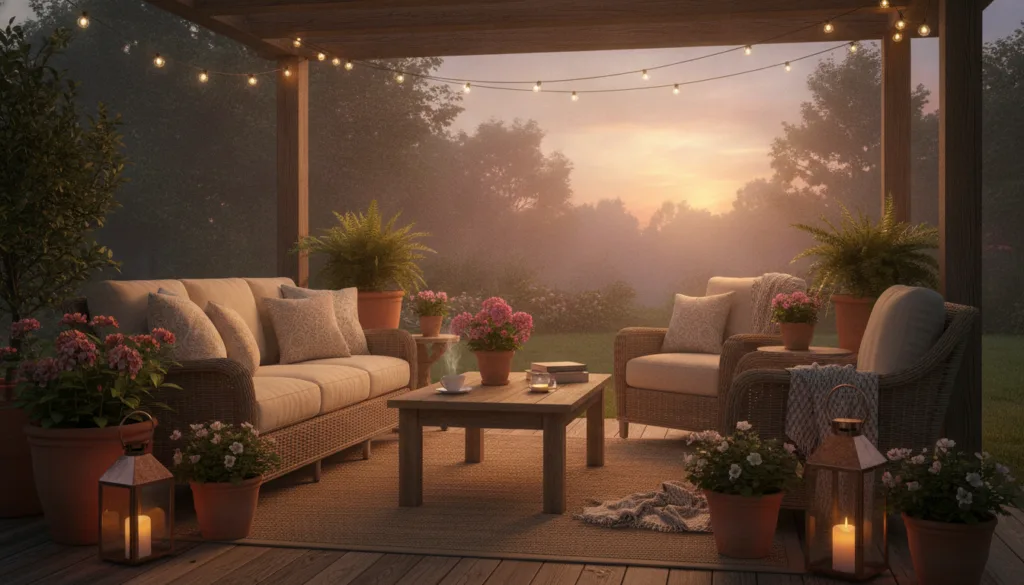
Once your plants are in place, add comfortable seating like a swing, rocking chairs, or a small bistro set. Accessorize with outdoor cushions, throw pillows, and perhaps a small side table. Consider lighting, like string lights or lanterns, to create an inviting evening ambiance. A simple welcome mat and house numbers that match the home’s era can complete the look.
Common Pitfalls and How to Avoid Them
Even with the best intentions, it’s easy to make a few mistakes when transforming your garden:
- Overplanting: Resist the urge to plant too many things too close together. Research mature sizes and give plants room to grow. Overcrowding leads to poor air circulation, increased disease, and stunted growth.
- Ignoring Sunlight: Don’t guess. Observe how much direct sun different areas of your yard receive throughout the day and choose plants accordingly.
- Poor Soil Preparation: Skipping soil amendments means your plants will struggle, no matter how much you water or fertilize. Invest time in preparing the soil properly.
- Mismatched Styles: Ensure your plant choices and hardscaping complement, rather than detract from, your bungalow’s unique architecture.
- Neglecting Maintenance: Even low-maintenance gardens require some attention. Regular watering, occasional pruning, and pest monitoring are essential for long-term health.
Cultivating Your Bungalow’s Future
Transforming your bungalow’s front yard and porch is a rewarding journey that enhances not just your home’s appearance but also your connection to nature. It’s an ongoing process of observation, care, and enjoyment. As your garden matures, you’ll discover new ways to adapt and refine it, always striving for that perfect balance of beauty, character, and welcome.
With these practical tips, you have everything you need to start planning your bungalow garden transformation. Step by step, you can create a front-yard retreat that celebrates your home’s unique charm and becomes a cherished space for years to come.