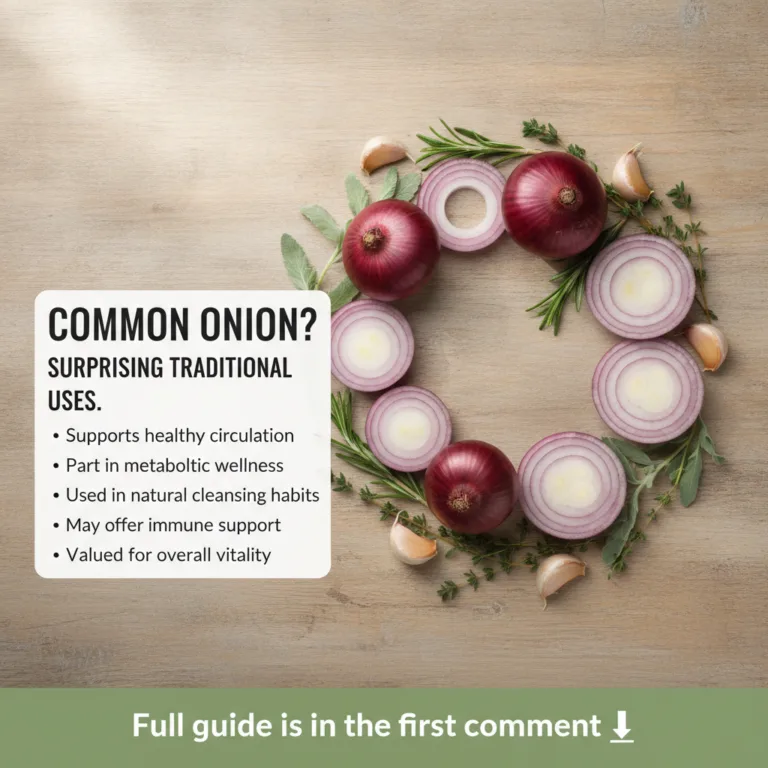
You probably have this humble root vegetable in your kitchen right now. It’s a culinary hero, adding flavor and depth to countless dishes. But what if we told you that this common kitchen staple, the onion, holds a treasure trove of surprising health secrets and traditional uses that extend far beyond its delicious taste? For centuries, cultures around the world have valued onions not just for cooking, but also for their potential wellness benefits. Let’s peel back the layers and discover why this ‘miracle onion’ has been a go-to natural remedy for generations!
A Rich History of Traditional Wisdom
From ancient Egypt to traditional Chinese medicine, onions have been revered for their perceived medicinal properties. Historical texts often mention their use for a variety of ailments, believed to support overall vitality and well-being. This long-standing appreciation isn’t just folklore; modern science is beginning to explore and understand the compounds within onions that may contribute to these traditional claims.
What Makes Onions So Special?
Onions are packed with a remarkable array of beneficial compounds. They are a good source of vitamins like C and B6, and minerals such as potassium and manganese. However, their true power lies in their unique concentration of antioxidants and sulfur-containing compounds.
- Flavonoids (especially Quercetin): Onions, particularly red varieties, are rich in quercetin, a powerful antioxidant that has been extensively studied for its potential to help manage oxidative stress in the body.
- Organosulfur Compounds: These are responsible for the onion’s pungent smell and many of its potential health-promoting effects. They may play a role in various bodily functions.
- Prebiotics (Fructans): Onions contain prebiotics like fructans, which can act as food for beneficial gut bacteria, thereby potentially supporting digestive health.
Potential Wellness Benefits of Onions
Integrating onions into your diet regularly may offer a range of supportive benefits for your health. Remember, while these insights are promising, onions are a food, not a medical cure, and should be part of a balanced diet.
1. May Support Immune Health
The vitamin C and other antioxidants in onions can help support a healthy immune system, which is crucial for overall well-being. A robust immune response is your body’s natural defense against environmental challenges.
2. Can Help Maintain a Healthy Heart
Studies suggest that the compounds in onions, particularly quercetin, may play a role in supporting cardiovascular health. They may help to maintain healthy blood pressure levels already within the normal range and support healthy cholesterol levels. Incorporating onions into heart-healthy meals is a delicious way to give your body extra support.
3. May Aid in Digestive Well-being
As mentioned, onions are a source of prebiotics. These indigestible fibers travel to your colon, where they ferment and feed beneficial gut bacteria. A healthy gut microbiome is increasingly linked to overall health, including digestion and nutrient absorption.
4. Potential Antioxidant Powerhouse
The high content of antioxidants in onions helps to neutralize free radicals in the body. This oxidative balance is vital for cellular health and can contribute to healthy aging.
5. Supporting Healthy Blood Sugar
Some research indicates that certain compounds in onions, such as quercetin and sulfur compounds, may play a role in supporting healthy blood sugar levels already within the normal range. This is an area of ongoing research, but it adds another layer to the onion’s impressive profile.
Incorporating More Onions Into Your Diet
The great news is that onions are incredibly versatile and easy to add to almost any meal:
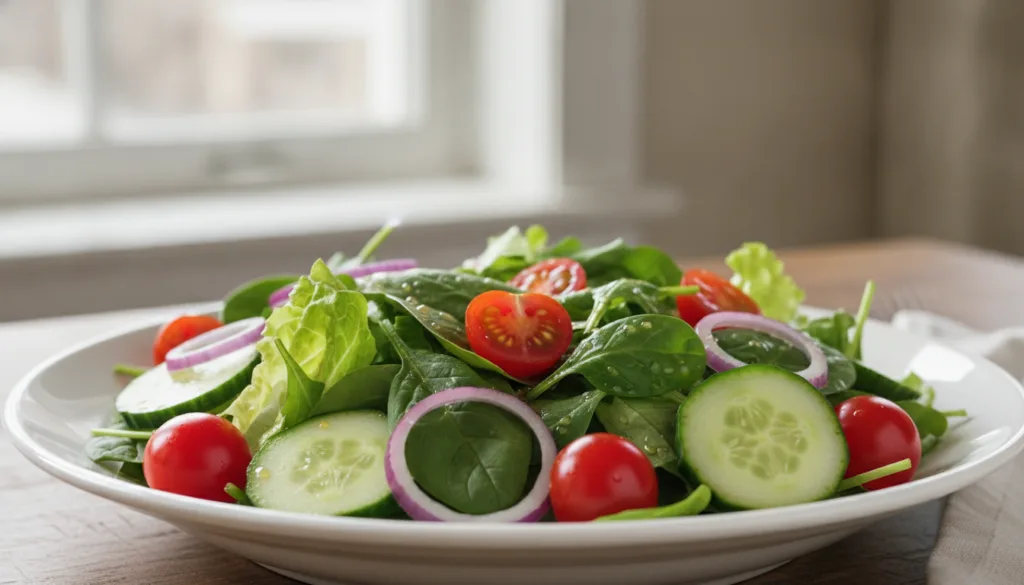
- Raw in Salads: Thinly sliced red onions add a delightful crunch and pungent flavor to salads and sandwiches.
- Sautéed or Roasted: Cooked onions become sweeter and caramelize beautifully, perfect for stir-fries, roasts, and pasta sauces.
- Soups and Stews: Onions form the aromatic base for many comforting dishes.
- Grilled: Grilled onion slices are a fantastic addition to barbecues.
- Pickled: Quick-pickled onions can add a tangy kick to tacos, burgers, and salads.
A Word of Caution
While onions are generally safe and healthy for most people, some individuals may experience digestive discomfort, especially when consuming them raw. If you have any health conditions or concerns, it’s always wise to consult with a healthcare professional before making significant dietary changes.
Embrace the Power of the Humble Onion
The common onion truly is a marvel, offering more than just flavor to our culinary creations. Its rich history of traditional use, coupled with emerging scientific insights into its powerful compounds, makes it a noteworthy addition to any wellness-focused diet. So next time you reach for an onion, remember you’re not just cooking with a vegetable; you’re tapping into centuries of wisdom and a natural powerhouse that may support your journey to healthy aging and vibrant well-being!
Always consult with a healthcare professional for personalized medical advice or before making any significant changes to your diet or health regimen.