Are you looking for natural ways to boost your energy and support your overall health? Look no further than Vitamin B3, also known as Niacin! This essential nutrient plays a vital role in countless bodily functions, from turning the food you eat into usable energy to supporting your nervous system and maintaining healthy skin.
In this article, we’ll dive into the amazing benefits of Vitamin B3 and explore a variety of delicious food sources that can help you meet your daily needs. You’ll learn what Niacin does for your body, where to find it, and practical tips for incorporating these foods into your daily meals. Get ready to feel more energized and vibrant!
Benefits of Vitamin B3 (Niacin)
Vitamin B3, or Niacin, is a water-soluble vitamin that’s indispensable for your body’s daily operations. Here’s a closer look at its key benefits:
- Energy Production: Niacin is a crucial component of coenzymes NAD (nicotinamide adenine dinucleotide) and NADP (nicotinamide adenine dinucleotide phosphate). These coenzymes are essential for converting carbohydrates, fats, and proteins from your food into energy. Without enough Niacin, your body struggles to produce energy efficiently, leading to fatigue.
- Nervous System Function: It plays a role in nerve signaling and supports overall brain health. Adequate Niacin intake can help maintain cognitive function.
- Digestive Health: Niacin helps maintain healthy mucous membranes in the digestive tract, which is vital for proper digestion and nutrient absorption.
- Skin Health: It supports cell repair and regeneration, contributing to healthy skin. Some research suggests Niacin may help improve skin elasticity and reduce redness.
- Cholesterol Management: At higher, therapeutic doses (often prescribed by a doctor), Niacin can help improve cholesterol levels by lowering LDL (“bad”) cholesterol and triglycerides, and increasing HDL (“good”) cholesterol. However, this should only be done under medical supervision due to potential side effects.
- Antioxidant Properties: Niacin also acts as an antioxidant, helping to protect your cells from damage caused by free radicals.
Top Food Sources of Vitamin B3
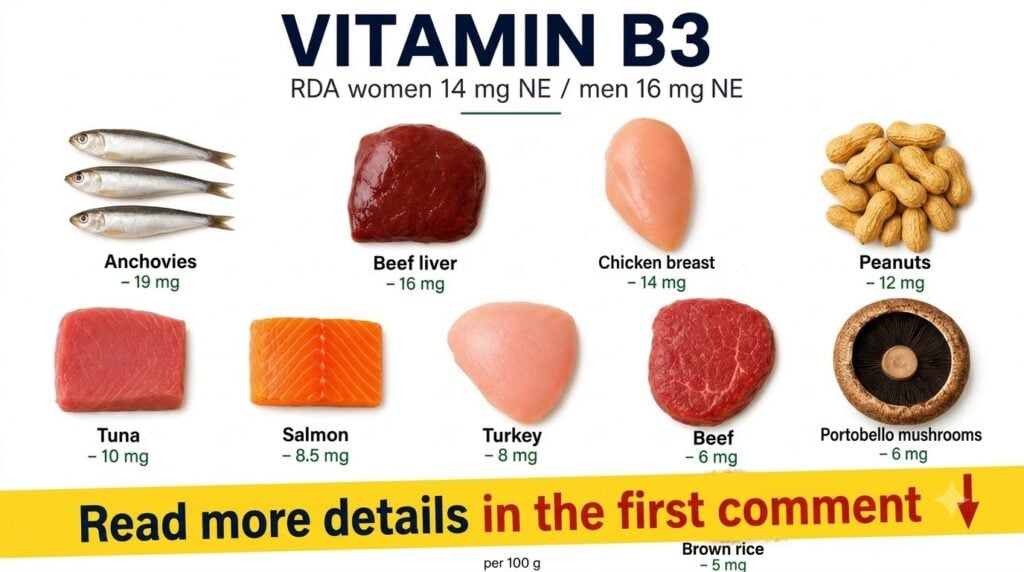
Getting your daily dose of Niacin is easier than you think! Many delicious and common foods are excellent sources. Here’s a list, including some of the best options:
| Food (100g serving) | Calories (approx.) | Protein (g) | Carbs (g) | Fat (g) | Fiber (g) | Main Nutrients (Niacin mg) | Best Benefit |
|---|---|---|---|---|---|---|---|
| Beef Liver | 135 | 20 | 4 | 4 | 0 | 15.0 | Highest B3 source |
| Chicken Breast (cooked) | 165 | 31 | 0 | 3.6 | 0 | 11.4 | Lean protein, versatile |
| Tuna (canned in water) | 116 | 25 | 0 | 1 | 0 | 10.0 | Convenient, omega-3s |
| Salmon (cooked) | 208 | 20 | 0 | 13 | 0 | 7.9 | Heart-healthy fats |
| Peanuts (dry roasted) | 567 | 26 | 16 | 49 | 9 | 12.1 | Plant-based protein |
| Anchovies (canned) | 131 | 20 | 0 | 5 | 0 | 1.9 | Flavorful addition |
| Mushrooms (Portobello) | 22 | 2 | 3 | 0.3 | 1 | 3.6 | Vegetarian friendly |
| Avocado | 160 | 2 | 9 | 15 | 7 | 1.7 | Healthy fats, fiber |
| Brown Rice (cooked) | 123 | 2.7 | 25.6 | 1 | 1.6 | 2.5 | Whole grain, complex carbs |
| Legumes (e.g., lentils) | 116 | 9 | 20 | 0.4 | 8 | 0.7 | Fiber-rich, plant protein |
Scientific Explanation: How Niacin Works
At a molecular level, Niacin transforms into two vital coenzymes: nicotinamide adenine dinucleotide (NAD) and nicotinamide adenine dinucleotide phosphate (NADP). These coenzymes are the unsung heroes of your metabolism. They participate in over 400 enzymatic reactions, primarily involved in energy metabolism (breaking down food for energy) and synthesizing fatty acids and cholesterol. Simply put, Niacin acts as a key that unlocks the energy stored in your food, making it available for every cell in your body.
Best Ways to Eat Niacin-Rich Foods
Incorporating more Niacin into your diet can be both easy and delicious. Here are some ideas:
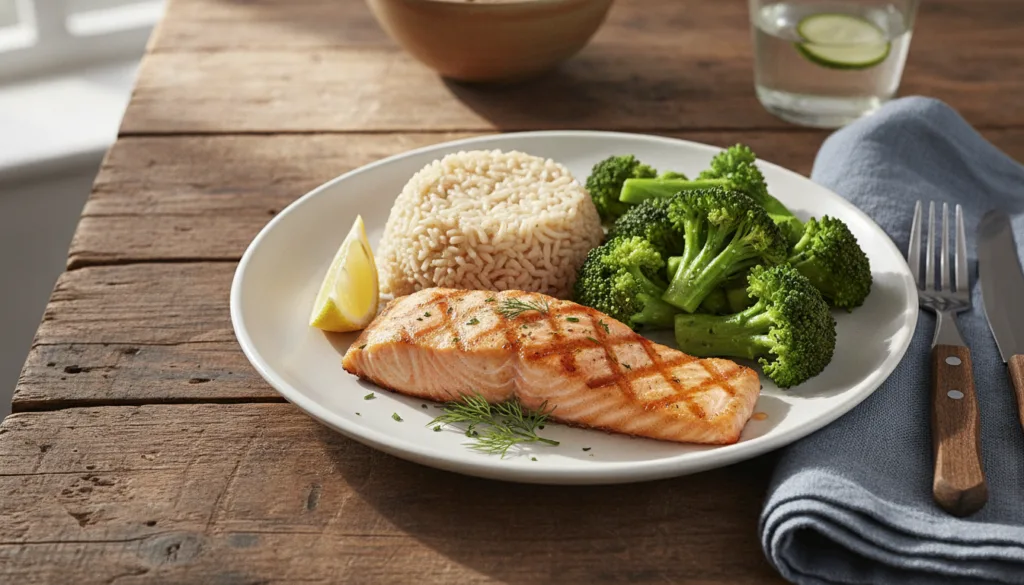
- Seafood Sensations: Grill or bake salmon and tuna with herbs and lemon for a quick, healthy meal. Add anchovies to your pasta sauces, Caesar salads, or homemade pizzas for a salty, umami kick.
- Meaty Mains: Sauté beef liver with onions and bacon for a traditional, nutrient-dense dish. Roast or grill chicken breast for salads, sandwiches, or as a main course.
- Plant-Powered Choices: Snack on a handful of peanuts or spread peanut butter on whole-wheat toast. Add sliced mushrooms to stir-fries, omelets, or as a topping for burgers. Include cooked brown rice as a side dish, or mix it into soups and salads.
- Creative Combinations: Mash avocado with lime and cilantro for a niacin-rich guacamole. Blend legumes like lentils into hearty soups or curries.
Potential Risks and Considerations
While obtaining Niacin from food is generally safe and highly beneficial, it’s important to be aware of potential risks, particularly with high-dose supplements:
- Niacin Flush: High doses of supplemental Niacin can cause a “niacin flush,” characterized by redness, itching, tingling, and a burning sensation on the skin. This reaction is usually harmless but can be uncomfortable.
- Liver Damage: Very high doses of certain forms of Niacin (especially extended-release) can lead to liver damage.
- Other Side Effects: Nausea, vomiting, diarrhea, and stomach upset are also possible with high supplement intake.
Always consult a healthcare professional before starting any Niacin supplements, especially if you have pre-existing health conditions or are taking other medications. The Niacin found naturally in foods is rarely associated with these adverse effects.
Practical Tips for Boosting Your B3
Here are some simple ways to make sure you’re getting enough Vitamin B3:
- Diversify Your Protein Sources: Rotate between different types of poultry, fish, and lean meats throughout the week to get a wide range of B vitamins.
- Embrace Whole Grains: Opt for brown rice, whole-wheat bread, and fortified cereals over refined grains.
- Snack Smart: Keep a bag of peanuts or a jar of natural peanut butter handy for a quick Niacin boost.
- Explore Plant-Based Options: Don’t overlook mushrooms, avocados, and legumes for vegetarian-friendly sources.
- Meal Prep for Success: Cook a larger batch of Niacin-rich proteins like chicken or salmon at the beginning of the week to easily add to various meals.
FAQs About Vitamin B3 (Niacin)
What is Vitamin B3 (Niacin)?
Vitamin B3, or Niacin, is an essential water-soluble B vitamin that plays a crucial role in energy metabolism, DNA repair, and antioxidant functions in the body.
What are the main benefits of Niacin?
Niacin is vital for converting food into energy, supporting the nervous system, maintaining healthy digestion, and promoting skin health. In therapeutic doses, it can also help manage cholesterol levels under medical supervision.
Can I get enough B3 from diet alone?
Most people can meet their daily Niacin requirements through a balanced diet that includes a variety of Niacin-rich foods like poultry, fish, meat, nuts, and some vegetables.
Are there any risks to taking Niacin supplements?
While Niacin from food is safe, high doses of Niacin supplements can cause side effects like “niacin flush” (redness, itching), nausea, and in rare cases, liver damage. Always consult a doctor before taking Niacin supplements.
What are some vegetarian sources of B3?
Excellent vegetarian sources of Niacin include peanuts, mushrooms, avocados, brown rice, whole grains, and fortified cereals.
How much B3 do I need daily?
The Recommended Dietary Allowance (RDA) for Niacin is typically around 16 mg per day for adult men and 14 mg per day for adult women, with slightly higher amounts recommended during pregnancy and lactation.
Does cooking destroy Niacin?
Niacin is relatively stable during cooking compared to some other B vitamins. While some loss can occur, especially if water used for boiling is discarded, a significant amount remains in cooked foods.
Conclusion
Vitamin B3, or Niacin, is truly a powerhouse nutrient essential for keeping your body running smoothly. From fueling your energy production to supporting your nervous system and promoting healthy skin, its benefits are far-reaching.
By incorporating a variety of Niacin-rich foods like salmon, beef liver, chicken, peanuts, and mushrooms into your daily diet, you can easily meet your needs and feel the positive impact on your overall well-being. Start experimenting with these delicious options today and boost your B3 naturally!
Ready to explore more ways to eat healthy and feel great? Dive into our other articles for more evidence-based nutrition guides and tasty recipes!
This content is for educational purposes only and should not be considered medical advice. Consult a qualified healthcare professional for personalized dietary recommendations.