As gardeners, we often reach for our pruners, eager to deadhead spent blooms to encourage more flowering. It’s a classic gardening tip, and for many plants, it works wonders! But what if I told you that for some of your garden’s most charming residents, holding back on that snip could lead to an even more abundant, vibrant display next season? Imagine a garden that replenishes itself, bringing delightful surprises and free plants year after year. This isn’t magic; it’s the beauty of self-seeding.
By understanding which flowers are eager to drop their seeds and return, you can transform your gardening approach. You’ll save time, reduce costs, and cultivate a more dynamic and sustainable landscape. Let’s explore 11 wonderful flowers that thrive on this natural propagation, giving you a flourishing garden with less effort and more joy.
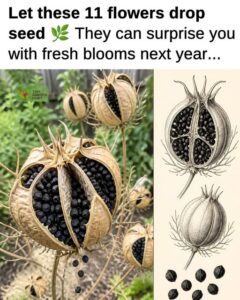
The Magic of Self-Seeding: Why Let Nature Take the Lead?
Self-seeding is nature’s ingenious way of ensuring continuity. When a flower fades, it forms a seed head. If left undisturbed, these seeds mature, dry out, and eventually drop to the soil below. Given the right conditions—light, moisture, and temperature—they will germinate and grow into new plants, often in the very spots where their parents once stood.
For you, the gardener, this means:
- Free Plants: No need to buy new packets of seeds or nursery starts each year for these varieties.
- Naturalized Look: Self-seeders often create a beautiful, informal cottage garden aesthetic.
- Pollinator Support: Leaving spent flowers longer provides food for birds that enjoy the seeds, and supports beneficial insects.
- Reduced Effort: Once established, these plants do much of the work themselves.
The key is to identify the plants that reseed reliably and understand how to encourage this natural cycle.
11 Delightful Flowers That Reseed Generously
Here are some of our favorite annuals and short-lived perennials that excel at self-seeding, bringing beauty and abundance to your garden year after year:
1. Cosmos (Cosmos bipinnatus)
With their cheerful, daisy-like blooms and feathery foliage, cosmos are a cottage garden classic. They are prolific self-seeders, especially if you let some of the later-season flowers go to seed.
- Hardiness: Annual (Zones 2-11)
- Plant type: Annual flower
- Exposure: Full sun (at least 6 hours)
- Height: 2-6 feet
- Spread: 1-2 feet
Care Tip: For best reseeding, allow the last flush of blooms in late summer to fully dry on the plant. The seeds are easy to spot on the dried flower heads.
2. Calendula (Calendula officinalis)
Also known as Pot Marigold, calendula offers bright orange and yellow edible flowers that bring a sunny disposition to any bed. They readily self-seed, sometimes even producing volunteers through mild winters.
- Hardiness: Annual (Zones 2-11), sometimes perennial in Zones 9-11
- Plant type: Annual flower (edible and medicinal)
- Exposure: Full sun to partial shade
- Height: 1-2 feet
- Spread: 1-1.5 feet
Care Tip: The curved, C-shaped seeds are distinctive. Let some mature on the plant, then gently rake the soil surface around the parent plant for better seed-to-soil contact.
3. California Poppy (Eschscholzia californica)
These vibrant, silken flowers are tough, drought-tolerant, and practically glow in the sun. They are excellent self-seeders, often popping up in unexpected places with their delicate foliage.
- Hardiness: Annual (Zones 2-11), perennial in Zones 8-10
- Plant type: Annual/short-lived perennial flower
- Exposure: Full sun
- Height: 1 foot
- Spread: 6-12 inches
Care Tip: California poppies don’t like transplanting, so their self-seeding habit is a real advantage. Just ensure the soil is well-drained.
4. Love-in-a-Mist (Nigella damascena)
Known for its intricate, fern-like foliage and beautiful, jewel-toned flowers encased in a wispy