Most people focus on dramatic dietary changes for heart health, often overlooking the simple yet potent allies found in their own kitchen or garden. For centuries, traditional wisdom has recognized the cardiovascular benefits hidden within everyday ingredients like guava leaves, fennel seeds, and even onion peels. These humble botanicals, often discarded or taken for granted, hold a treasure trove of compounds that support a healthy heart. But how exactly do you unlock their full potential? One small preparation mistake can ruin the whole batch, and knowing the right method is key to harnessing these ancient secrets for modern well-being.
This guide cuts through the noise, offering practical steps to integrate these powerful ingredients into your daily routine. Forget vague theories; we’re diving into actionable steps for preparing a simple, effective heart-supporting tonic.
What It Is: Your Heart Health Botanical Blend
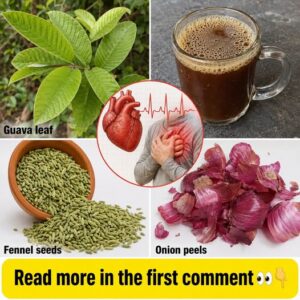
This remedy is a synergistic blend of three natural powerhouses: guava leaves, fennel seeds, and onion peels. Each ingredient brings its unique properties to the table, historically revered for their roles in maintaining cardiovascular health. Guava leaves are known in traditional practices for supporting blood pressure levels and antioxidant activity. Fennel seeds, a common spice, are believed to aid digestion and circulation. Onion peels, often discarded, contain beneficial compounds like quercetin, which traditional use links to circulatory health. Together, they form a simple, yet potent, heart-health supporting tonic – a “daily remedy” from the past, made practical for today.
Ingredients for Your Heart Tonic
- Dried Guava Leaves: 1 tablespoon, crumbled
- Whole Fennel Seeds: 1 teaspoon
- Dried Red Onion Peels: Peels from 1 medium red onion (ensure they are clean and free from any inner fleshy parts or dirt)
- Water: 3 cups, filtered
Approximate Measurements
These measurements are designed for a single serving of the tonic. You can scale them up proportionally if you wish to prepare a larger batch, keeping in mind the storage guidelines outlined later.
Formula / Recipe: Simple Decoction for Heart Support
This blend is best prepared as a decoction, a method that extracts beneficial compounds from tougher plant materials like leaves and peels more effectively than a simple infusion (tea).
Step-by-Step Method
- Gather Ingredients: Ensure all your ingredients are clean. If using fresh guava leaves, let them dry slightly overnight. For onion peels, gently wash and pat dry.
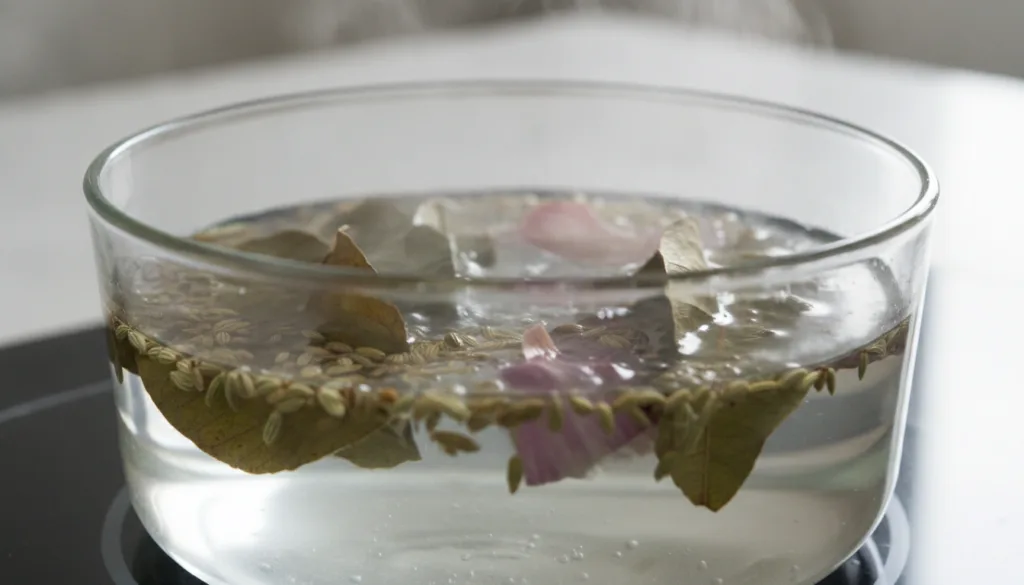
- Combine: Place the crumbled dried guava leaves, whole fennel seeds, and dried red onion peels into a non-reactive saucepan.
- Add Water: Pour 3 cups of filtered water over the ingredients.
- Simmer: Bring the mixture to a gentle boil over medium heat. Once boiling, reduce the heat to low, cover the saucepan, and let it simmer for 15-20 minutes. This allows the beneficial compounds to be thoroughly extracted.
- Cool: Remove the saucepan from the heat and let the tonic cool down to a comfortable drinking temperature. Keep it covered during this process to prevent the escape of volatile compounds.
- Strain: Once cooled, strain the liquid through a fine-mesh sieve or cheesecloth into a clean mug or glass. Discard the spent plant material.
How to Use
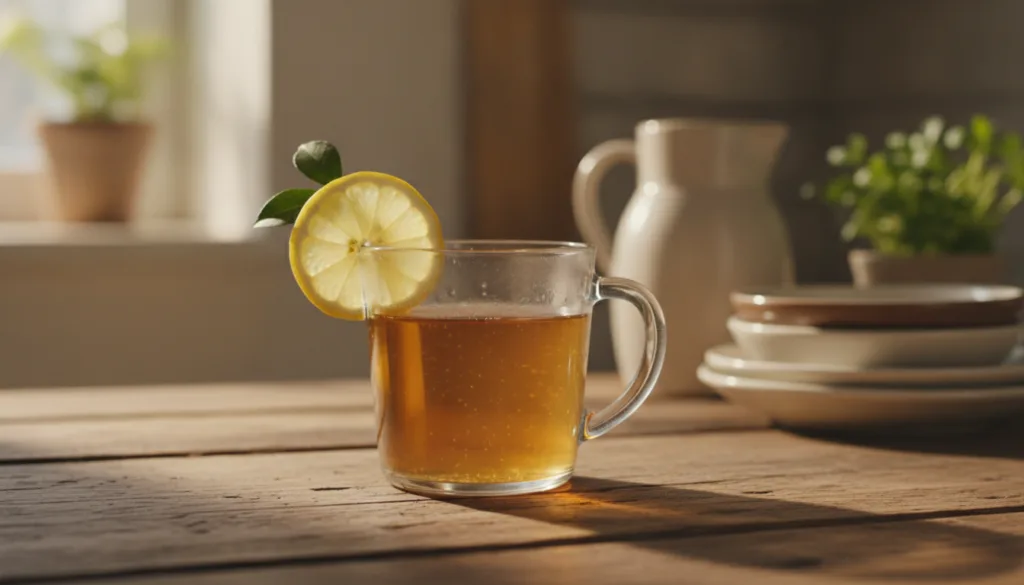
Drink one cup of this prepared heart tonic. It can be consumed warm or at room temperature. Some prefer to add a squeeze of lemon or a small amount of honey for taste, though it’s best consumed plain to appreciate its natural flavor and benefits.
How Often to Use
For general wellness support, consume one cup of this tonic daily for a period of 2-4 weeks. After this period, you may take a break for a week before resuming. Always listen to your body and consult with a healthcare professional for personalized advice, especially if you have underlying health conditions.
Quick Tip: Don’t Toss Those Peels!
Many people toss onion peels without a second thought, but red onion peels are packed with quercetin, a powerful antioxidant. Start collecting them in a clean, dry container. Just make sure they are thoroughly clean before use and free from any mold or decay.
How to Buy / How to Choose Ingredients
- Guava Leaves: Look for dried organic guava leaves from reputable herbal suppliers or Asian markets. If harvesting your own, ensure they are from a plant free of pesticides and environmental pollutants. Choose vibrant, intact leaves.
- Fennel Seeds: Purchase whole fennel seeds from a spice shop or bulk bin. Look for plump, green-brown seeds with a strong, aromatic scent. Avoid any that look shriveled or have lost their aroma. Organic is always preferred.
- Onion Peels: Always use peels from organic red onions to avoid pesticide residues. Ensure the peels are clean, dry, and free from any dirt or soft, rotting spots.
Storage
- Dry Ingredients: Store dried guava leaves, fennel seeds, and clean, dried onion peels in separate airtight containers in a cool, dark, dry place. They can last for up to 6-12 months.
- Prepared Tonic: The prepared decoction should be stored in a sealed glass jar in the refrigerator. Consume within 24-48 hours for optimal freshness and potency.
Practical Tips
- Source Matters: Always prioritize organic and wild-harvested ingredients to ensure purity and potency.
- Taste Customization: If the taste is too strong, you can dilute the tonic with a bit more water or add a small amount of raw honey or a slice of ginger.
- Consistency is Key: For potential benefits, integrate this tonic consistently into your routine rather than sporadic use.
- Onion Peel Prep: When peeling onions for cooking, simply reserve the clean, dry outer red layers for your tonic.
Common Mistake: Boiling Too Vigorously
A common error is to boil the mixture aggressively. This can degrade some of the delicate compounds and reduce the tonic’s efficacy. A gentle simmer is crucial for proper extraction.
Cautions / Who Should Avoid It
While generally considered safe in culinary amounts, this tonic should be used with caution or avoided by certain individuals:
- Pregnancy & Breastfeeding: Consult a healthcare provider before use.
- Medication Interactions: If you are on blood-thinning medication, blood pressure medication, or any other prescription drugs, consult your doctor. Guava leaves may interact with certain medications.
- Allergies: If you have allergies to guava, fennel, or onions, avoid this tonic.
- Diabetics: Guava leaves may affect blood sugar levels, so monitor closely if you have diabetes.
Always start with a small amount to check for any adverse reactions.
Quick Reference: Ingredient Benefits Table
| Ingredient | Traditional Heart Benefit | Key Compounds |
|---|---|---|
| Guava Leaves | Blood pressure support, antioxidant | Quercetin, tannins |
| Fennel Seeds | Digestive aid, circulation support | Anethole, fenchone |
| Onion Peels | Circulatory health, antioxidant | Quercetin, anthocyanins |
Quick Summary
- Best Preparation: Gentle decoction.
- Best Use-Case: Daily tonic for general cardiovascular support.
- Storage: Dry ingredients in airtight containers, prepared tonic refrigerated for up to 48 hours.
- When to Use: One cup daily for 2-4 weeks, then a break.
- What to Avoid: Vigorous boiling, using non-organic or dirty ingredients.
FAQ
- Can I use fresh guava leaves? Yes, but slightly dried fresh leaves are often preferred for decoctions. Ensure they are clean.
- How long does the prepared tonic last? It lasts up to 24-48 hours when refrigerated in a sealed container.
- Can I refrigerate the ingredients? Dried ingredients should be stored in a cool, dry pantry, not the refrigerator.
- How often should I use it? One cup daily for 2-4 weeks, followed by a break.
- Can I reuse the plant material? It’s not recommended; the beneficial compounds are mostly extracted in the first decoction.
- What part of the onion is best? The outer, dry, papery red peels are best. Avoid the inner fleshy layers.
- When should I avoid this tonic? If pregnant, breastfeeding, on specific medications (blood thinners, blood pressure), or allergic to any ingredients.
- Will this tonic lower my blood pressure? This tonic is intended for traditional wellness support and is not a substitute for prescribed medication. Consult your doctor for managing blood pressure.
Conclusion
The journey to a healthy heart doesn’t always require exotic ingredients or complex rituals. Sometimes, the most profound support comes from ancient wisdom, harnessing the simple power of nature’s everyday gifts. By understanding how to properly prepare and use this blend of guava leaves, fennel seeds, and onion peels, you can tap into a time-honored tradition of cardiovascular well-being. Embrace this practical, actionable remedy and take a step towards nurturing your heart with nature’s own secrets.
You may also like: The Power of Turmeric and Ginger Tea for Inflammation
Read more: DIY Herbal Foot Soak for Circulation and Relaxation