Discover the Remarkable Health Benefits of Nature’s Most Unique Plant!
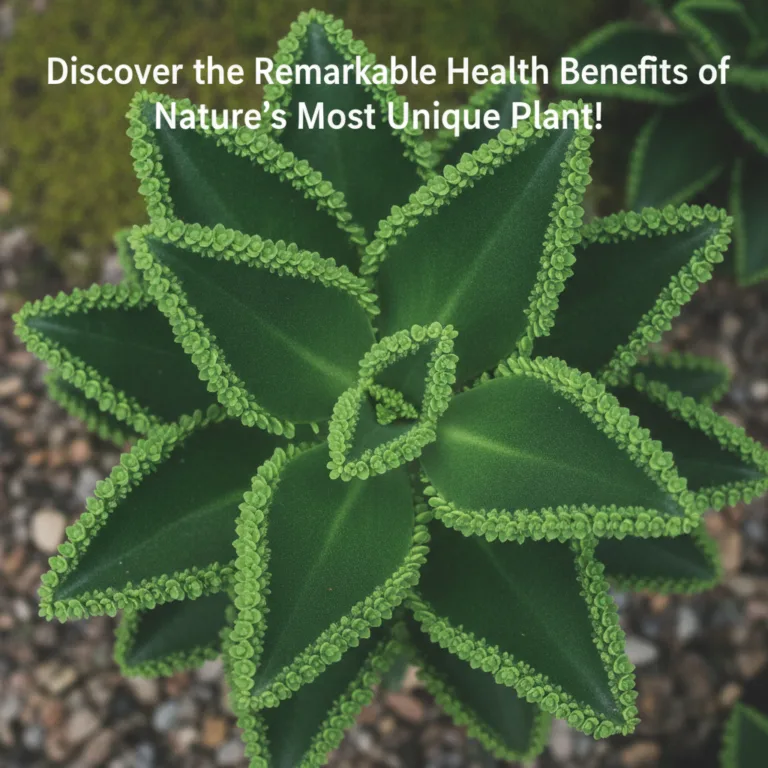
Have you ever encountered a plant that seems to defy nature, growing tiny replicas of itself right on its leaf edges? This botanical marvel, often affectionately known as the “Mother of Thousands” (scientifically Bryophyllum daigremontianum or Kalanchoe daigremontiana), isn’t just a fascinating conversation starter for plant enthusiasts. For centuries, across various traditional cultures, it has been revered for potential wellness properties, sparking curiosity about its deeper secrets.
Why This Matters
In our modern pursuit of natural health solutions, plants like the Mother of Thousands often surface in discussions about traditional remedies. Its distinctive appearance and prolific growth make it memorable, and whispers of its health benefits often spread quickly through wellness communities. However, like many powerful natural remedies, its true potential, benefits, and crucial safety considerations can get lost in translation.
Many people are drawn to its unique story and the appeal of an “all-in-one” plant. Yet, understanding its traditional applications, what science is beginning to explore, and most importantly, how to approach it safely, is paramount. This plant isn’t just an ornamental curiosity; it holds a place in folk medicine, particularly for those who prefer natural wellness approaches and are keen to learn about ancient botanical wisdom responsibly.
Main Educational Content: Unveiling the Mother of Thousands
The Mother of Thousands is a succulent native to Madagascar, recognized by its fleshy, often mottled green leaves with distinctive plantlets (or ‘bulbils’) forming along the margins. These tiny plantlets easily drop off and root, earning the plant its endearing name and reputation as a prolific grower.
Traditional Uses & Potential Benefits
Historically, this plant has been utilized in various traditional medicine systems, particularly for its believed anti-inflammatory, analgesic, and wound-healing properties. It’s important to note that these are traditional uses, and while compelling, they should always be distinguished from scientifically proven facts.
- Anti-inflammatory Support: Traditionally, extracts or poultices from the leaves have been used to help soothe inflammation and discomfort.
- Wound Healing: Applied topically, the crushed leaves or juice were believed to aid in the healing of minor cuts, scrapes, and skin irritations.
- Digestive Wellness: In some folk medicine, small quantities of leaf preparations were consumed to support digestive health. However, this practice carries significant risks and is not generally recommended without expert guidance due to the plant’s potential toxicity.
- Immune System & Antioxidant Properties: Some traditional beliefs link the plant to overall vitality and immune support, potentially due to its believed antioxidant compounds.
Modern Scientific Exploration
While comprehensive human studies are limited, preliminary laboratory and animal studies have begun to investigate the compounds found in Mother of Thousands. Research has identified various phytochemicals, including flavonoids, bufadienolides, and phenolic compounds, which may contribute to its traditional uses. Some studies suggest potential anti-inflammatory, antimicrobial, and even anticancer properties in isolated compounds. However, these findings are primarily from in-vitro (test tube) or animal models and do not directly translate to human benefits or safe consumption.
Practical Guide: Approaching Mother of Thousands Responsibly
Given the plant’s unique properties and potential for toxicity, approaching its traditional uses requires extreme caution and respect. For most home wellness enthusiasts, appreciating it as an ornamental plant and understanding its traditional context is the safest approach.
Traditional Topical Applications (with Caution)
If you are exploring traditional external uses under the strict guidance of a qualified herbalist, here are common historical methods:
- Poultice: Fresh leaves were traditionally crushed and applied directly to the skin for minor irritations or inflammatory conditions. Ensure the skin is clean, and monitor for any adverse reactions.
- Infusion/Compress: Leaves might be steeped in hot water, cooled, and the liquid used as a compress on affected skin areas.
Important Note: Never apply to open wounds without professional medical advice. Always perform a patch test on a small skin area first to check for allergic reactions.
What NOT to Do
- Do not consume any part of the Mother of Thousands plant without the explicit guidance of a healthcare professional or a highly experienced, certified herbalist. Its bufadienolides can be cardiotoxic and poisonous if ingested in sufficient quantities.
- Do not use this plant as a substitute for prescribed medical treatments.
Safety & Precautions: A Must-Read
The Mother of Thousands plant contains cardiac glycosides (bufadienolides) that can be toxic if ingested, especially in large amounts. This toxicity is a significant concern, particularly for children and pets, who may be attracted to the plantlets.
- Consult a Professional: Always consult with a healthcare professional or a knowledgeable herbalist before considering any internal use of Mother of Thousands or any herbal remedy, especially if you have existing medical conditions, are pregnant or breastfeeding, or are taking other medications.
- Children and Pets: Keep this plant out of reach of children and pets. Ingestion can cause serious symptoms, including vomiting, diarrhea, lethargy, and potentially heart problems. If ingestion is suspected, seek immediate medical attention for humans or veterinary care for pets.
- Allergies: Some individuals may experience skin irritation or allergic reactions from topical contact.
- Interactions: The plant’s compounds may interact with certain medications, particularly heart medications.
Your health and safety are paramount. Always err on the side of caution when exploring powerful plants.
Key Takeaways
- Mother of Thousands (Bryophyllum daigremontianum) is a unique succulent with a rich history of traditional wellness uses.
- Historically used topically for anti-inflammatory support and wound healing.
- Preliminary scientific research is exploring its compounds but is not conclusive for human benefits.
- Ingestion can be toxic due to cardiac glycosides; it is NOT recommended without expert medical/herbalist guidance.
- Always keep out of reach of children and pets.
- Consult a healthcare professional before using any new herbal remedy.
FAQ
Is Mother of Thousands safe to eat?
No, not generally. The Mother of Thousands plant contains toxic compounds (cardiac glycosides) that can be harmful if ingested, especially in significant quantities. It is not recommended for consumption without strict guidance from a qualified healthcare professional or experienced herbalist.
What are the traditional uses of Mother of Thousands?
Traditionally, it has been used topically as a poultice or compress to help with inflammation, minor skin irritations, and wound healing in some folk medicine systems. Internal use was also documented but is considered risky due to toxicity.
Can I grow Mother of Thousands at home?
Yes, it’s a popular ornamental succulent due to its ease of propagation. However, be mindful of its toxicity and keep it away from children and pets. Its plantlets root easily, so it can spread quickly.
What should I do if my pet eats Mother of Thousands?
If you suspect your pet has ingested Mother of Thousands, contact your veterinarian immediately. Symptoms can include vomiting, diarrhea, lethargy, and changes in heart rhythm.
Related Reading
- The Power of Aloe Vera for Skin and Digestion
- Exploring the Benefits of Turmeric for Inflammation
- Herbal First Aid Kit: Essentials for Your Home
- Understanding Anti-Inflammatory Ingredients for Better Health