Persistent headaches can disrupt your day, your focus, and your peace. While many reach for common over-the-counter solutions, most people overlook a surprising ally found in nature: the humble thistle, specifically its often-referenced ‘milky sap.’ This isn’t about drinking raw sap, but rather harnessing the potent compounds within the Milk Thistle plant, traditionally valued for more than just liver support. Could this be the overlooked secret to finding relief?

What It Is: Understanding Milk Thistle and Its “Sap”
When we talk about “thistle’s milky sap” in the context of remedies, we’re primarily referring to Silybum marianum, commonly known as Milk Thistle. The plant gets its name from the milky white fluid that exudes when its leaves or stem are broken, and also from the prominent white veins on its leaves. While the raw sap itself isn’t typically consumed directly, these visual cues point to the powerful compounds concentrated within the plant, particularly in its seeds.
The star compound is silymarin, a group of flavonoids known for their antioxidant and anti-inflammatory properties. While Milk Thistle is most famous for liver health, its anti-inflammatory effects have led some herbalists to explore its potential for reducing inflammation throughout the body, including those that might contribute to certain types of headaches.
Ingredients for Your Thistle Remedy
- Milk Thistle Seeds: These are the most potent part of the plant for medicinal preparations. Look for whole, dried seeds.
- Filtered Water: Essential for brewing your tea.
Approximate Measurements
For a single serving of headache-soothing tea:
- 1-2 teaspoons of crushed Milk Thistle seeds
- 8-10 ounces (about 1 cup) of filtered water
Formula / Recipe: Milk Thistle Seed Decoction
A decoction is a preparation method where plant materials are simmered in water, which is ideal for extracting the harder components of seeds. This ensures you get the full benefit of the silymarin.
Step-by-Step Method
- Crush the Seeds: Using a mortar and pestle or a clean coffee grinder (dedicated to herbs), lightly crush 1-2 teaspoons of dried Milk Thistle seeds. This increases their surface area for better extraction.
- Combine with Water: Place the crushed seeds in a small saucepan with 8-10 ounces of filtered water.
- Simmer: Bring the water to a gentle boil, then reduce heat to a low simmer. Cover the saucepan and let it simmer for 10-15 minutes.
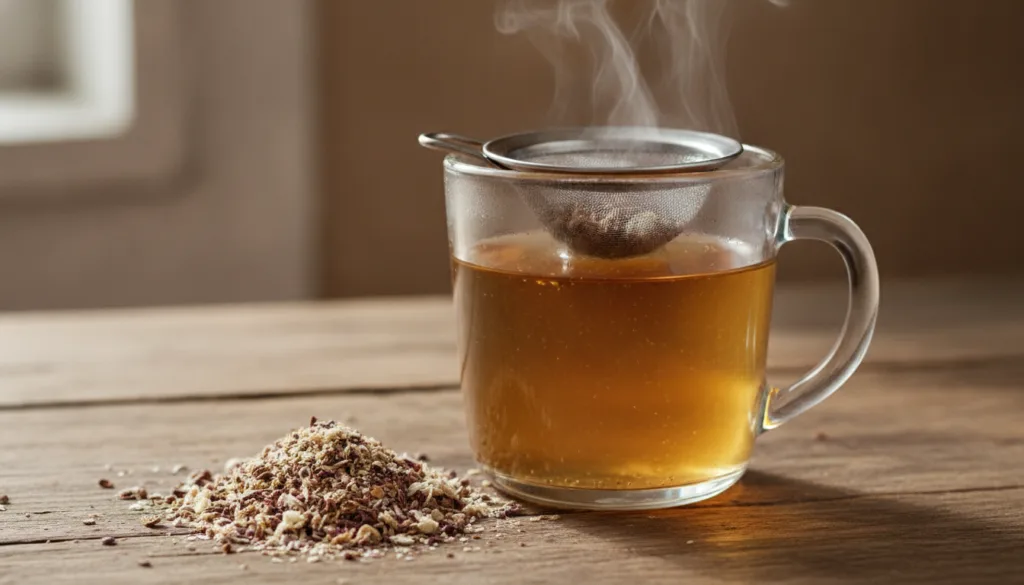
- Strain: Remove from heat and let it cool slightly. Strain the liquid through a fine-mesh sieve or cheesecloth into a mug, pressing the seeds to extract all liquid.
- Serve: Your Milk Thistle decoction is ready. You can drink it warm.
How to Use: Targeting Headaches
Drink the warm decoction slowly. For headaches, the idea is to leverage its anti-inflammatory properties. Some find relief by consuming it when a headache first begins, or as a preventative measure if you know common triggers. The gentle warmth can also be soothing.
How Often to Use
For acute headache relief, you may consume 1-2 cups per day. For general well-being or as a preventative measure, one cup daily for a few weeks, followed by a break, is often suggested. Always listen to your body and consult with a healthcare professional for long-term or severe conditions.
Quick Tip: While the taste of milk thistle tea is mild and earthy, you can add a touch of honey or a slice of lemon if desired, but avoid excessive sweeteners that might counteract its benefits.
How to Buy / How to Choose Ingredients
Look for organic, non-GMO Milk Thistle seeds from reputable herbal suppliers or health food stores. Ensure they are whole and have a fresh, slightly nutty aroma. Avoid pre-ground seeds unless packaged in airtight containers, as they can lose potency quickly. If harvesting wild thistle, ensure it is indeed Milk Thistle and not a similar-looking plant, and that it hasn’t been sprayed with pesticides.
Fresh vs. Dried Milk Thistle Seeds
| Feature | Fresh Milk Thistle Seeds | Dried Milk Thistle Seeds |
|---|---|---|
| Availability | Seasonal, often difficult to find | Available year-round |
| Potency | Potentially higher if very fresh | Stable, widely used for remedies |
| Storage | Short shelf life, must be used quickly | Longer shelf life if stored properly |
| Preparation | Similar methods (crushing, decoction) | Standard for tea/decoction |
| Convenience | Low | High |
Storage
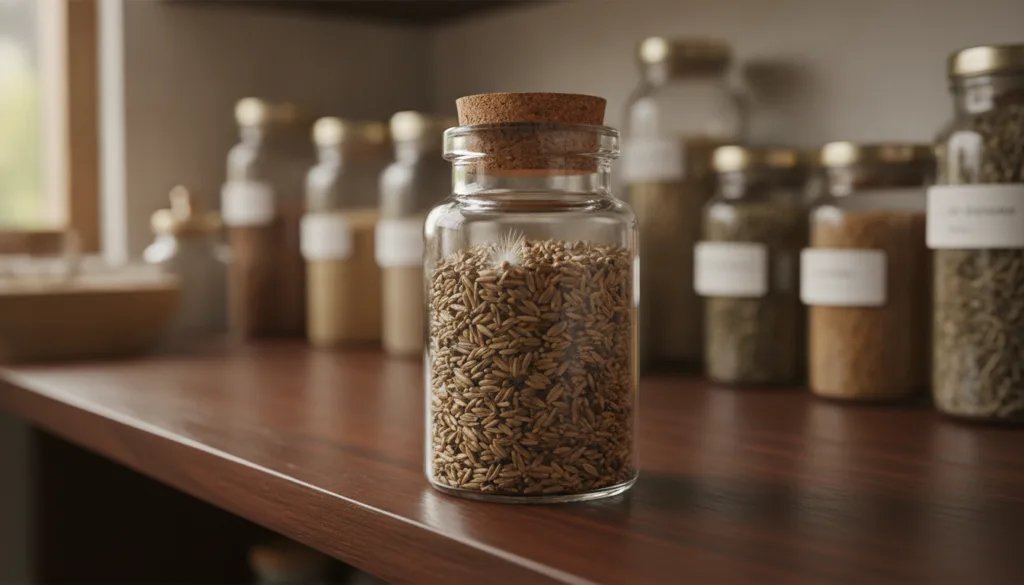
Store whole, dried Milk Thistle seeds in an airtight container in a cool, dark, and dry place. A pantry or cupboard is ideal. They can last for up to 1-2 years. Once crushed, use them immediately or store any leftover crushed seeds in a tightly sealed container in the refrigerator for no more than a few days, as their active compounds can degrade when exposed to air and light.
Common Mistake: Boiling the seeds too vigorously or for too long can degrade some of the delicate compounds. A gentle simmer is key to a potent decoction.
Practical Tips
- Consistency is Key: For potential preventative benefits, integrate the tea into a consistent routine rather than sporadic use.
- Combine with Lifestyle: Remember that natural remedies work best when combined with a healthy lifestyle, including adequate hydration, sleep, and stress management.
- Taste Experiment: If the earthy taste is not to your liking, try adding a small amount of peppermint, ginger, or chamomile during the simmering phase for added flavor and potential headache-soothing benefits.
Common Mistakes to Avoid
- Using Unidentified Thistle: Not all thistles are Milk Thistle. Ensure you have the correct plant, especially if wild-harvesting.
- Skipping the Crushing Step: Whole seeds won’t release their full benefits. Crushing is crucial for extraction.
- Improper Storage: Exposure to light, air, and moisture degrades the potency of the seeds and prepared decoction.
- Over-boiling: High heat for extended periods can damage beneficial compounds. A gentle simmer is sufficient.
- Ignoring Cautions: Assume that because it’s natural, it’s always safe. Always be aware of potential interactions or contraindications.
Cautions / Who Should Avoid It
While generally considered safe for most adults, Milk Thistle can interact with certain medications, particularly those metabolized by the liver (e.g., blood thinners, some statins, anti-diabetic drugs). Individuals with allergies to plants in the Asteraceae/Compositae family (like ragweed, daisies, marigolds) may experience an allergic reaction. Pregnant or breastfeeding women, and individuals with hormone-sensitive conditions, should consult a healthcare provider before using milk thistle. Discontinue use if you experience digestive upset, skin rash, or other adverse reactions.
Did You Know? The scientific name for Milk Thistle, Silybum marianum, is thought to be derived from the Virgin Mary, with legend saying the white veins on the leaves are drops of her milk.
Quick Summary: Harnessing Thistle for Headaches
- Best Preparation: Decoction made from crushed Milk Thistle seeds.
- Best Use-Case: Potential support for tension or inflammatory headaches, or as a preventative measure.
- Storage: Whole seeds in an airtight container, cool and dark. Decoction refrigerated for a few days.
- When to Use: As needed when a headache starts, or daily for consistent support (with breaks).
- What to Avoid: Unidentified thistle, skipping crushing, over-boiling, ignoring contraindications.
FAQ
- Can I use fresh or dried milk thistle seeds? Dried seeds are most commonly available and effective for this remedy.
- How long does the milk thistle decoction last? It’s best consumed fresh. Any leftover can be refrigerated for up to 2-3 days.
- What part of the milk thistle plant is best for headaches? The seeds are considered the most potent due to their high concentration of silymarin.
- Can I reuse the crushed seeds? No, once brewed, the seeds have released most of their active compounds.
- When should I avoid using milk thistle for headaches? If you are pregnant, breastfeeding, on specific medications (especially liver-metabolized drugs), or have allergies to similar plants, consult a doctor first.
- Does milk thistle have side effects? Mild side effects can include digestive upset. Allergic reactions are possible in sensitive individuals.
- Can I mix milk thistle with other herbs for headaches? Yes, often combined with peppermint or ginger for synergistic effects and flavor, but always research potential interactions.
The quest for natural headache relief often leads us down unexpected paths, and the ancient wisdom surrounding Milk Thistle offers a compelling detour. By understanding how to properly prepare and use its potent seeds, you might discover a valuable addition to your natural remedy toolkit.
You may also like: DIY Peppermint Oil for Tension Relief
Read more: Ginger Tea for Nausea and Headaches