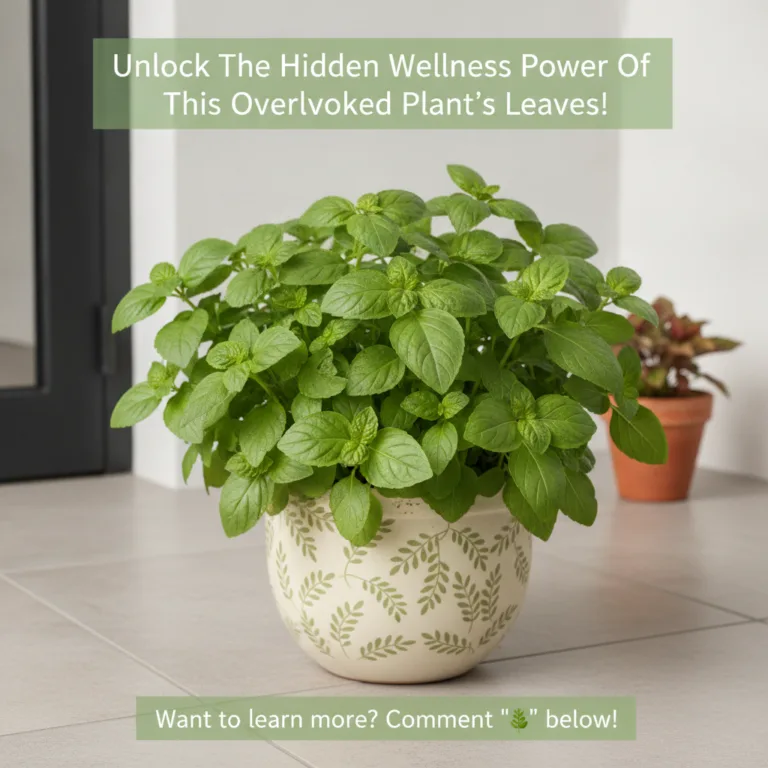
Have you ever walked past a seemingly ordinary plant, perhaps in a garden or even a wild patch, without realizing it holds centuries of wellness wisdom? In our quest for vibrant health, we often look to exotic superfoods, overlooking the potent benefits hidden in the humble herbs right under our noses. Today, we’re going to shine a spotlight on one such remarkable plant, an unsung hero whose leaves have been cherished for generations for their ability to soothe and uplift: Lemon Balm.
Why This Matters: Finding Calm in a Hectic World
In our fast-paced modern lives, stress and anxiety have become unwelcome companions for many of us. The constant demands of work, family, and daily responsibilities can leave us feeling overwhelmed, affecting our sleep, digestion, and overall vitality. While modern medicine offers solutions, a growing number of people are turning to time-honored natural remedies, seeking gentle yet effective ways to restore balance and well-being.
Lemon balm, or Melissa officinalis, stands out as a beacon of natural calm. It’s not a flashy, rare ingredient, but its widespread availability and gentle action make it an accessible ally for anyone looking to embrace a more holistic approach to health. It’s often misunderstood as merely a culinary herb, yet its true power lies in its therapeutic properties, which have been documented since ancient times.
The Heart of Lemon Balm: A Journey Through Its Wellness Benefits
Lemon balm is a member of the mint family, identifiable by its crinkled, heart-shaped leaves and distinct lemony scent. But its appeal goes far beyond its aromatic qualities. Its leaves are packed with beneficial compounds that contribute to its calming and restorative effects.
Traditional Wisdom and Modern Understanding
- A Legacy of Calm: Historically, lemon balm was used in traditional European medicine to calm nerves, alleviate anxiety, and promote restful sleep. Ancient Greeks and Romans valued it for its mood-enhancing properties and its ability to ease digestive discomfort.
- Science Backs the Soothe: Modern research has begun to unravel the science behind these traditional uses. Key compounds like rosmarinic acid, citronellal, and geranial are believed to contribute to lemon balm’s effects.
Potential Benefits You Might Experience
- Stress and Anxiety Relief: Lemon balm is perhaps best known for its anxiolytic (anxiety-reducing) properties. It’s thought to influence GABA (gamma-aminobutyric acid) receptors in the brain, helping to promote a sense of calm and reduce feelings of agitation.
- Improved Sleep Quality: By promoting relaxation, lemon balm can be a wonderful natural aid for those struggling with mild insomnia or restless nights. It doesn’t typically induce drowsiness but rather helps create a more serene state conducive to sleep.
- Mood Enhancement: Beyond just calming, some studies suggest lemon balm may also have mild mood-boosting effects, helping to lift spirits and improve overall cognitive function, particularly during periods of stress.
- Digestive Comfort: Traditionally, lemon balm has been used to ease digestive woes like bloating, gas, and indigestion. Its antispasmodic properties may help relax the smooth muscles of the digestive tract.
- Antioxidant Power: Like many herbs, lemon balm contains antioxidants that help protect your cells from damage caused by free radicals, contributing to overall health and vitality.
Practical Guide: Incorporating Lemon Balm into Your Routine
The beauty of lemon balm lies in its versatility and ease of use. Here are some simple ways to welcome this calming herb into your life:
1. Lemon Balm Tea
This is arguably the most popular and effective way to enjoy lemon balm’s benefits.
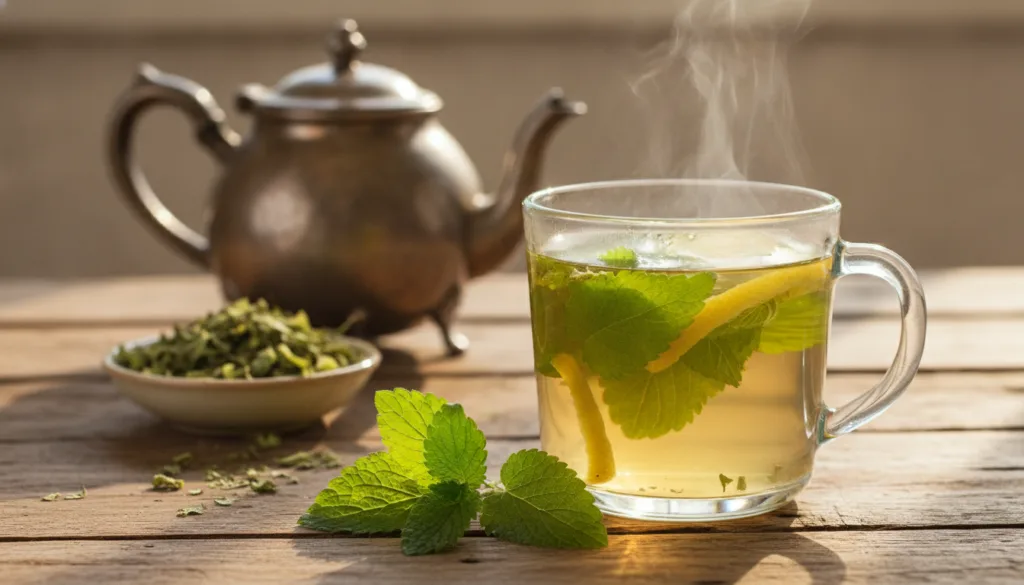
- Fresh Leaves: Steep 1-2 tablespoons of fresh, bruised lemon balm leaves in a cup of hot water for 5-10 minutes. Strain and enjoy.
- Dried Leaves: Use 1-2 teaspoons of dried lemon balm leaves per cup of hot water.
- Serving Suggestion: Drink a cup in the evening to unwind before bed, or during the day when you need a moment of calm. You can add a slice of lemon or a touch of honey for taste.
2. Culinary Uses
Lemon balm’s bright, citrusy notes make it a delightful addition to various dishes:
- Chop fresh leaves and add to salads, fruit salads, or smoothies.
- Infuse into vinegar or olive oil for a unique dressing.
- Garnish desserts like sorbets, custards, or fruit tarts.
3. Tinctures and Extracts
For a more concentrated form, lemon balm tinctures are available in most health food stores. Follow the dosage instructions on the product label.
4. Grow Your Own!
Lemon balm is incredibly easy to grow in a garden or a pot, making it a sustainable and fresh source for your wellness needs. It thrives in sunny or partially shaded spots and prefers well-drained soil.
Safety & Precautions: A Gentle Approach to Wellness
While lemon balm is generally considered safe for most adults, it’s always wise to be aware of potential considerations:
- Pregnancy and Breastfeeding: Limited research is available. It’s best to consult your doctor before using lemon balm if you are pregnant or breastfeeding.
- Thyroid Conditions: There is some evidence that large doses of lemon balm may affect thyroid function. If you have a thyroid condition, discuss its use with your healthcare provider.
- Medication Interactions: Lemon balm may interact with sedatives (due to its calming properties) or thyroid medications. Always inform your doctor about any herbs or supplements you are taking.
- Allergies: Though rare, allergic reactions are possible. Discontinue use if you experience any adverse symptoms.
As with any natural remedy, listening to your body and consulting with a healthcare professional, especially if you have existing health conditions or are on medication, is always the best approach.
Key Takeaways
- Lemon balm (Melissa officinalis) is a humble yet potent herb with a long history of traditional use for wellness.
- Its leaves contain compounds that may help reduce stress, calm anxiety, and improve sleep quality.
- It can also support digestive comfort and offer antioxidant benefits.
- The most common and effective way to use it is as a tea, but it can also be incorporated into culinary dishes.
- Always exercise caution and consult a healthcare professional, especially if pregnant, breastfeeding, or taking medications.
FAQ
Is lemon balm safe to take daily?
Yes, for most healthy adults, lemon balm is generally considered safe for daily use in moderate amounts, such as in tea. However, it’s always good to take occasional breaks and monitor how your body responds.
Does lemon balm make you sleepy?
Lemon balm typically promotes relaxation and calms the nervous system rather than directly inducing drowsiness. While it can help improve sleep quality by reducing anxiety, it’s not usually sedating in the same way as some stronger sleep aids.
How long does it take for lemon balm to work?
The effects of lemon balm can vary. Some people may feel a subtle calming effect within 30 minutes to an hour of drinking tea, while others might notice improvements in sleep or mood over several days or weeks of consistent use.
What’s the best way to use fresh lemon balm leaves?
The best way to use fresh lemon balm leaves is to make an herbal tea. Simply bruise a handful of fresh leaves to release their aromatic oils, steep them in hot water for 5-10 minutes, and enjoy. You can also chop them finely and add them to salads or cold drinks.
Related Reading
Curious to explore more natural ways to enhance your well-being? Dive into these related articles:
- Discovering the Power of Chamomile for Relaxation
- Natural Strategies for Managing Everyday Stress
- Herbal Allies for a Restful Night’s Sleep
- Boosting Your Mood Naturally with Food and Herbs
- Simple Home Remedies for Digestive Harmony