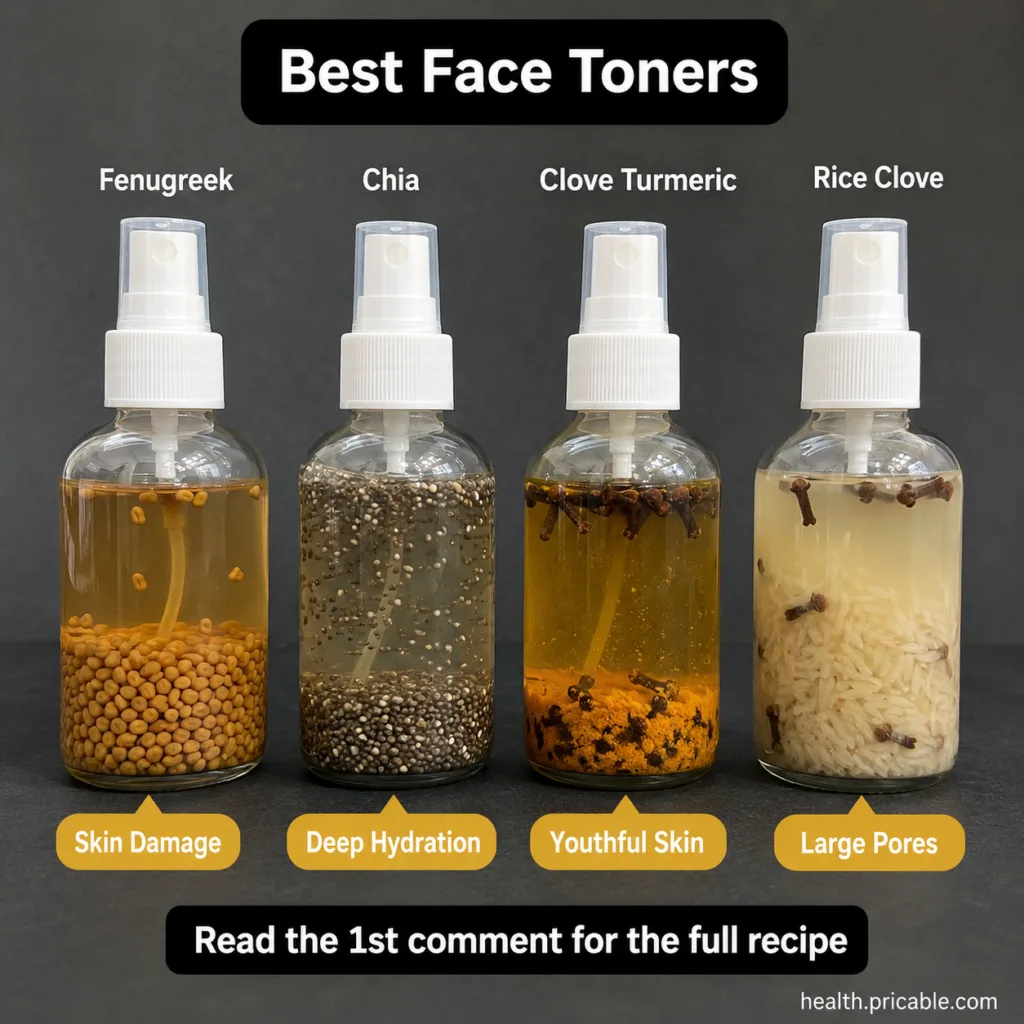
Discover how to create your own natural face toners at home, targeting specific skin concerns like hydration, pore appearance, soothing, and a brighter-looking complexion. These four simple DIY recipes use everyday ingredients to help you achieve a fresher, more balanced skin feel.
Quick Recipes
1. Hydrating Rose Water Toner
Prep time: 5 minutes
Best for: Dry, sensitive, or dull-looking skin
Use type: Liquid toner
Main ingredients:
- Rose water
- Vegetable glycerin (optional)
2. Pore-Refining Green Tea Toner
Prep time: 10 minutes (including steeping)
Best for: Oily, combination skin, or visible pores
Use type: Liquid toner
Main ingredients:
- Green tea
- Water
3. Balancing Apple Cider Vinegar Toner
Prep time: 2 minutes
Best for: Oily, acne-prone skin, or uneven skin tone
Use type: Liquid toner
Main ingredients:
- Apple cider vinegar
- Distilled water
4. Brightening Rice Water Toner
Prep time: 15 minutes (soaking time)
Best for: Dull skin, uneven skin texture, or a brighter complexion
Use type: Liquid toner
Main ingredients:
- White rice
- Water
Ingredients
For Hydrating Rose Water Toner:
- ½ cup pure rose water (food-grade or cosmetic-grade)
- 1 teaspoon vegetable glycerin (optional, for extra hydration)
For Pore-Refining Green Tea Toner:
- 1 green tea bag or 1 teaspoon loose green tea
- ½ cup hot distilled water
For Balancing Apple Cider Vinegar Toner:
- 1 tablespoon raw, unfiltered apple cider vinegar
- ½ cup distilled water
For Brightening Rice Water Toner:
- ¼ cup uncooked white rice
- 1 cup distilled water
How to Make It
Hydrating Rose Water Toner:
- Combine the rose water and vegetable glycerin (if using) in a clean, sterilized spray bottle or an airtight glass bottle.
- Shake gently to mix.
Pore-Refining Green Tea Toner:
- Place the green tea bag or loose tea into a heatproof cup.
- Pour ½ cup hot distilled water over the tea.
- Steep for 5-10 minutes, then remove the tea bag or strain the loose leaves.
- Allow the tea to cool completely before transferring it to a clean, sterilized bottle.
Balancing Apple Cider Vinegar Toner:
- In a clean, sterilized glass bottle, combine the apple cider vinegar and distilled water.
- Shake well to ensure thorough mixing.
Brightening Rice Water Toner:
- Rinse the ¼ cup of white rice under cold water a few times to remove any impurities.
- Place the rinsed rice in a bowl and add 1 cup of distilled water.
- Let the rice soak for 15-30 minutes, stirring occasionally, until the water becomes cloudy.
- Strain the rice water into a clean, sterilized glass bottle, discarding the rice.

How to Use It
- Cleanse: Start with a freshly cleansed face.
- Apply:
- For spray bottles: Close your eyes and mist the toner lightly over your face.
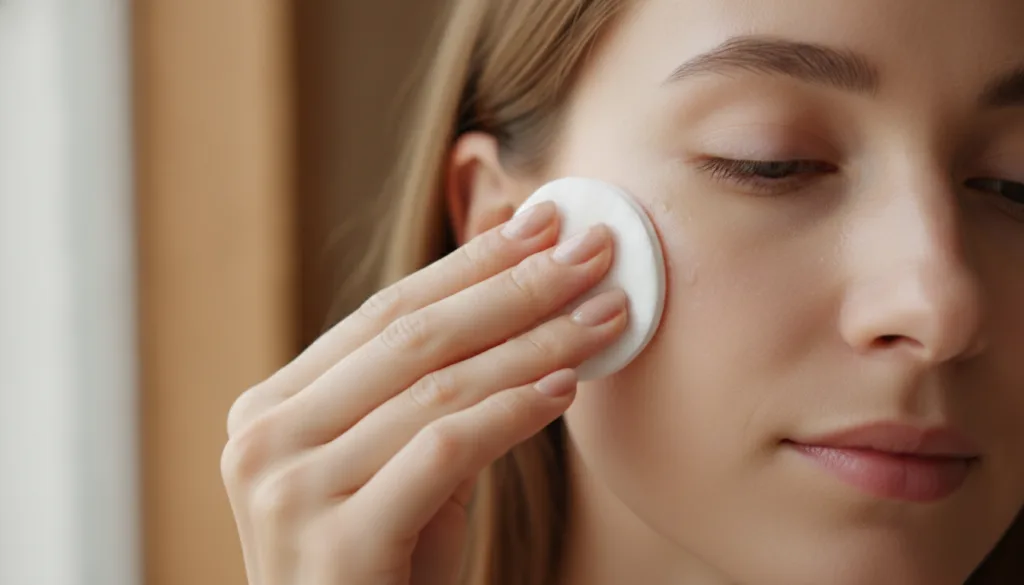
- For other bottles: Pour a small amount onto a cotton pad and gently swipe over your face, avoiding the eye area.
- Follow Up: Allow the toner to air dry or gently pat it into your skin. Follow with your favorite serum or moisturizer.
How Often to Use It
Most of these toners can be used once or twice daily, after cleansing. For the Apple Cider Vinegar Toner, start with once a day or every other day, especially if you have sensitive skin, and adjust as your skin tolerates it.
Why These Ingredients Are Used
Rose Water
Rose water is beloved for its soothing properties, helping to calm the appearance of irritated skin and provide gentle hydration. It has a lovely natural scent and can leave skin feeling soft and refreshed.
Green Tea
Rich in antioxidants, green tea is traditionally used in beauty routines to help protect the skin from environmental stressors. It can also help to balance oil production and may support the appearance of refined pores.
Apple Cider Vinegar (ACV)
When properly diluted, ACV is known for its ability to help balance the skin’s pH, which can be beneficial for those with oily or blemish-prone skin. It may also help to gently exfoliate and support a clearer-looking complexion.
Rice Water
Rice water has been a staple in East Asian beauty practices for centuries. It’s believed to contain vitamins and minerals that can help to brighten the appearance of the skin, improve texture, and leave it looking smoother and more radiant.
What Results to Expect
Consistent use of these DIY toners may help your skin feel more hydrated, look smoother, and appear more balanced. You might notice a reduction in the appearance of pores, a calmer complexion, or a more radiant glow, depending on the toner you choose and your individual skin type. Remember, natural remedies work gradually, and results can vary.
Safety Notes
- Always perform a patch test on a small, inconspicuous area of your skin (like behind the ear or on your inner arm) before applying any new DIY remedy to your face, especially the Apple Cider Vinegar Toner.
- Use gently and avoid vigorous rubbing, particularly around the delicate eye area.
- Do not apply these toners to irritated, broken, or sunburnt skin.
- Stop using immediately if you experience any redness, itching, burning, or discomfort.
- Store all homemade toners in clean, sterilized glass bottles, preferably in the refrigerator, to maintain freshness and prevent bacterial growth.
- Natural toners have a shorter shelf life than commercial products. Aim to use rose water and green tea toners within 1-2 weeks, rice water toner within 3-5 days, and ACV toner within 2-4 weeks.
- Always dilute apple cider vinegar appropriately to avoid skin irritation. The suggested ratio is 1 part ACV to 5 parts water, but you can adjust to 1:10 for very sensitive skin.
FAQ
Can I use these toners with my existing skincare routine?
Yes, these toners are designed to complement most skincare routines. Apply them after cleansing and before serums, oils, or moisturizers.
How can I make my toners last longer?
Storing them in the refrigerator significantly extends their shelf life. Using distilled water instead of tap water also helps reduce impurities that could lead to spoilage.
Are these toners suitable for all skin types?
While formulated with general skin concerns in mind, individual results may vary. Sensitive skin types should be particularly cautious with the Apple Cider Vinegar Toner, starting with a higher dilution or less frequent use.
Final Thoughts
Embracing DIY toners is a wonderful way to connect with natural ingredients and customize your skincare. With these four simple recipes, you can address different skin needs and enjoy the process of creating your own beauty solutions. Give them a try and let us know your favorites in the comments below!