Are you looking for an easy, eco-friendly way to boost your garden’s health? Look no further than your kitchen scraps! Today, we’re diving into the wonderful world of homemade apple peel fertilizer. It’s a simple, sustainable, and surprisingly effective method to nourish your plants and create a thriving, vibrant garden.
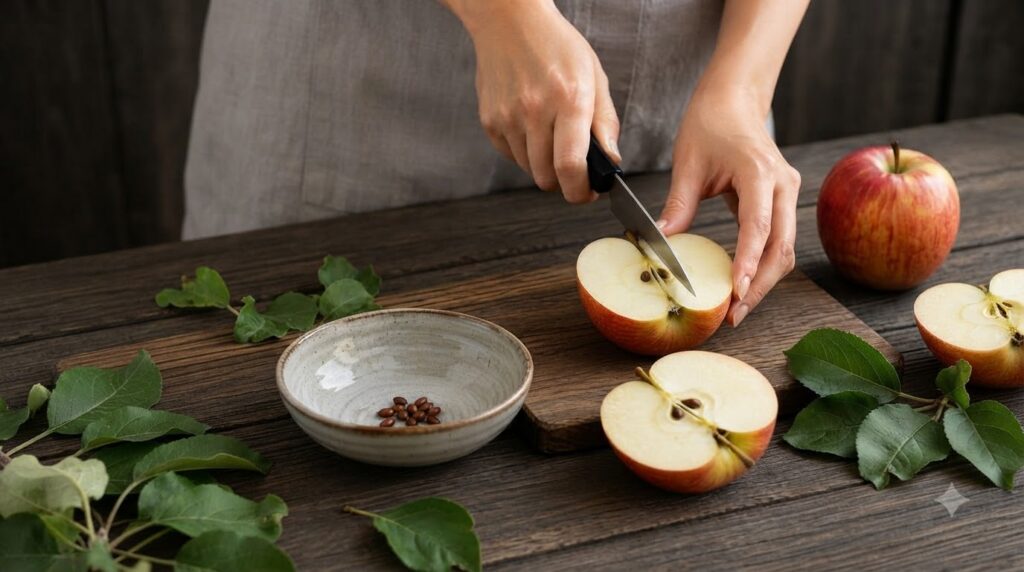
Why Apple Peels Are a Garden Gem
Apples are packed with nutrients that are not only good for us but also incredibly beneficial for our plants. Apple peels, often discarded, contain a rich blend of:
- Potassium: Essential for flower and fruit development, strong roots, and overall plant vigor.
- Phosphorus: Crucial for root growth, flowering, and seed formation.
- Nitrogen: Supports lush, green leafy growth.
- Calcium: Helps build strong cell walls, making plants more resistant to diseases and pests.
- Micronutrients: Various trace elements that contribute to overall plant health.
By transforming apple peels into fertilizer, you’re not just reducing food waste; you’re providing your plants with a slow-release, natural source of vital nutrients that synthetic fertilizers often lack.
How to Make Homemade Apple Peel Fertilizer
Making your own apple peel fertilizer is incredibly simple and can be done in a few different ways, depending on your preference and garden needs.
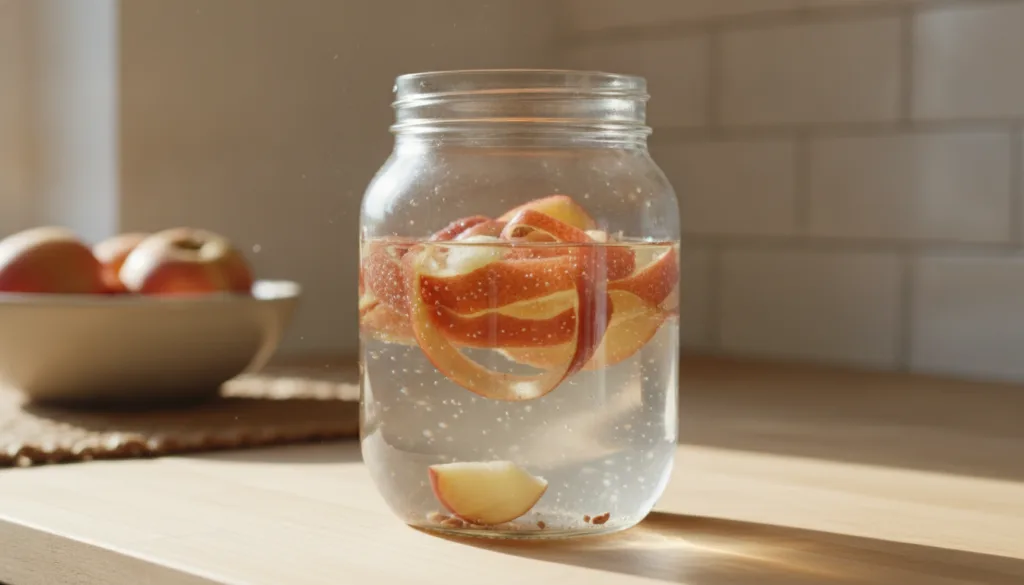
Method 1: Liquid Apple Peel Fertilizer (Apple Peel Tea)
This is a quick and easy way to give your plants an immediate nutrient boost.
- Collect Peels: After enjoying your apples, save all the peels.
- Soak: Place the peels in a large jar or bucket. Cover them with water, ensuring all peels are submerged.
- Ferment: Cover the container loosely to allow air circulation. Let it sit in a cool, dark place for 1-2 weeks. You’ll notice some bubbling and a slight fermented smell, which is normal.
- Strain: After fermentation, strain the liquid, separating the peels from the nutrient-rich water.
- Dilute & Use: Dilute the apple peel tea with water at a 1:1 ratio (e.g., 1 cup of tea to 1 cup of water). Use this diluted solution to water your plants once every 2-4 weeks.
The strained peels can then be added to your compost pile or directly into the soil.
Method 2: Dried Apple Peel Soil Amendment
This method creates a slow-release fertilizer that enriches your soil over time.
- Collect & Dry: Spread your apple peels out on a baking sheet or use a food dehydrator until they are completely dry and brittle. This prevents mold.
- Grind: Once dry, you can either crush them by hand or use a blender/food processor to grind them into a powder or small flakes.
- Mix into Soil: Gently mix the dried apple peel powder or flakes directly into the top few inches of soil around your plants or when preparing new garden beds.
This is excellent for vegetables, herbs, and flowering plants, providing a continuous supply of nutrients as they break down.
Method 3: Direct Composting
The simplest method is to add fresh or dried apple peels directly to your compost pile. As they decompose, they will enrich your compost with all their beneficial nutrients, creating a powerhouse amendment for your entire garden.
Benefits for Your Garden and Beyond
- Organic & Natural: You know exactly what’s going into your soil – no chemicals, just pure apple goodness.
- Cost-Effective: It’s free! You’re using what would otherwise be waste.
- Sustainable Gardening: Reduces food waste and promotes a循环经济 in your garden.
- Improved Soil Health: Adds organic matter, which improves soil structure, water retention, and microbial activity.
Tips for Best Results
- Use Organic Apples: If possible, use peels from organic apples to avoid introducing pesticides into your garden.
- Don’t Overdo It: While natural, too much of a good thing can still be an issue. Follow the dilution and application guidelines.
- Combine with Other Scraps: Apple peels can be part of a larger kitchen scrap composting effort, along with banana peels, coffee grounds, and eggshells, for a truly balanced natural fertilizer.
- Observe Your Plants: Pay attention to how your plants respond. Adjust application frequency if needed.
Crafting your own apple peel fertilizer is a rewarding step towards a more sustainable and vibrant garden. It’s a testament to how simple, everyday resources can be transformed into powerful tools for nurturing life. So, next time you bite into a crisp apple, remember the hidden potential in its peel and give your garden a treat!
Happy Gardening!