Boiled eggs are a true kitchen staple. They’re quick, packed with protein, and incredibly versatile. Whether you love a runny yolk for dipping toast or a firm one for a hearty salad, achieving that ideal consistency can sometimes feel like a mystery.
This guide will demystify the art of boiling eggs. You’ll learn the simple steps to achieve your preferred yolk every single time, along with clever tips for peeling and serving. Get ready to elevate your breakfast, lunch, and snack game!
The Science of a Perfectly Boiled Egg
Boiling an egg seems simple, but there’s a bit of culinary science happening. As an egg cooks, the proteins in both the white and the yolk begin to denature and coagulate. The white sets first, at a lower temperature, while the yolk requires a higher temperature and more time to firm up.
Understanding this process helps you control the texture. Slight variations in cooking time lead to vastly different results, from custardy yolks to fully firm ones.
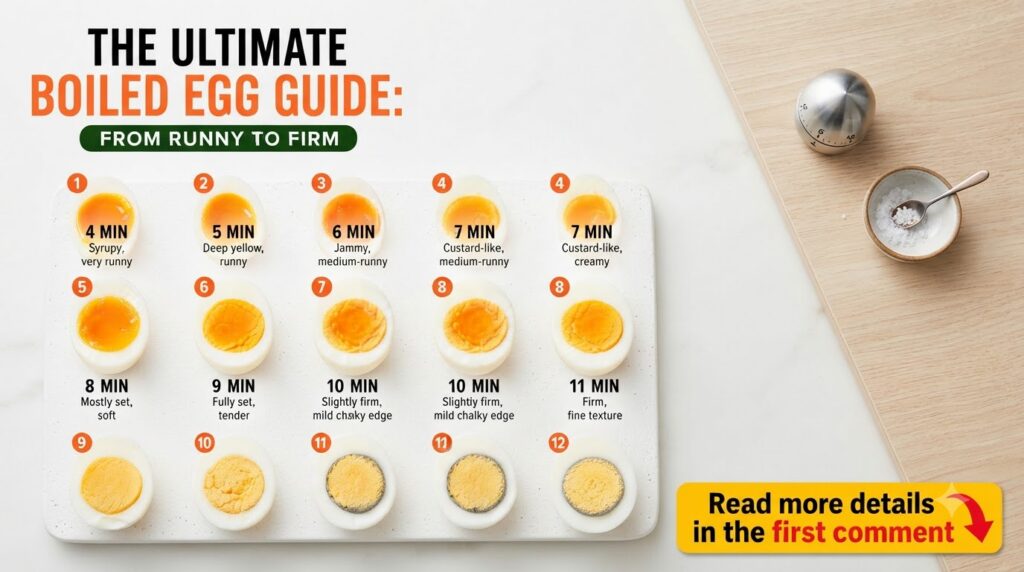
Your Boiled Egg Timing Chart
Here’s your easy guide to achieving any boiled egg consistency you desire. These times are for large eggs, starting in cold water, brought to a boil, then timed from that point.
| Egg Consistency | Cooking Time (after boiling starts) | Yolk Description |
|---|---|---|
| Very Soft-Boiled | 3-4 minutes | Very runny, liquid yolk |
| Soft-Boiled | 5 minutes | Runny yolk, just set whites |
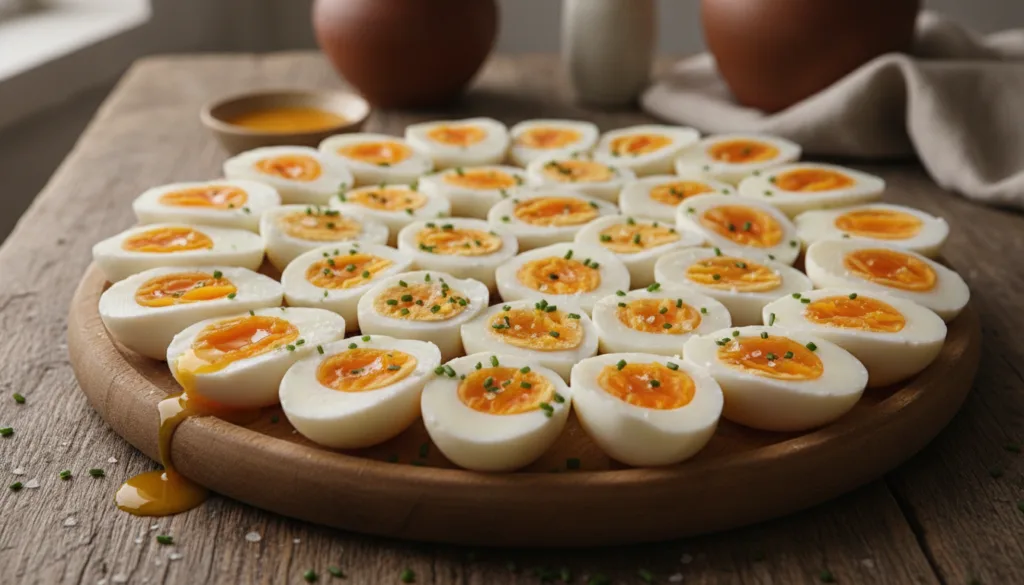
| Medium-Boiled (Jammy) | 6-7 minutes | Soft, creamy, jam-like yolk |
| Medium-Hard Boiled | 8 minutes | Mostly firm yolk, slight creaminess in the center |
| Hard-Boiled | 9-10 minutes | Completely firm, solid yolk |
Basic Steps for Boiling Eggs
- Place Eggs in Pot: Gently place your eggs in a single layer at the bottom of a saucepan.
- Cover with Water: Add enough cold water to cover the eggs by about one inch.
- Add Salt (Optional): A pinch of salt can help prevent cracking and make peeling easier.
- Bring to a Boil: Place the pot on high heat and bring the water to a rolling boil.
- Set Timer: Once the water is boiling, reduce the heat slightly to maintain a gentle boil and set your timer according to your desired consistency from the chart above.
- Ice Bath: Immediately after cooking, transfer the eggs to an ice bath (a bowl of ice water) for at least 5 minutes. This stops the cooking process and helps with easier peeling.
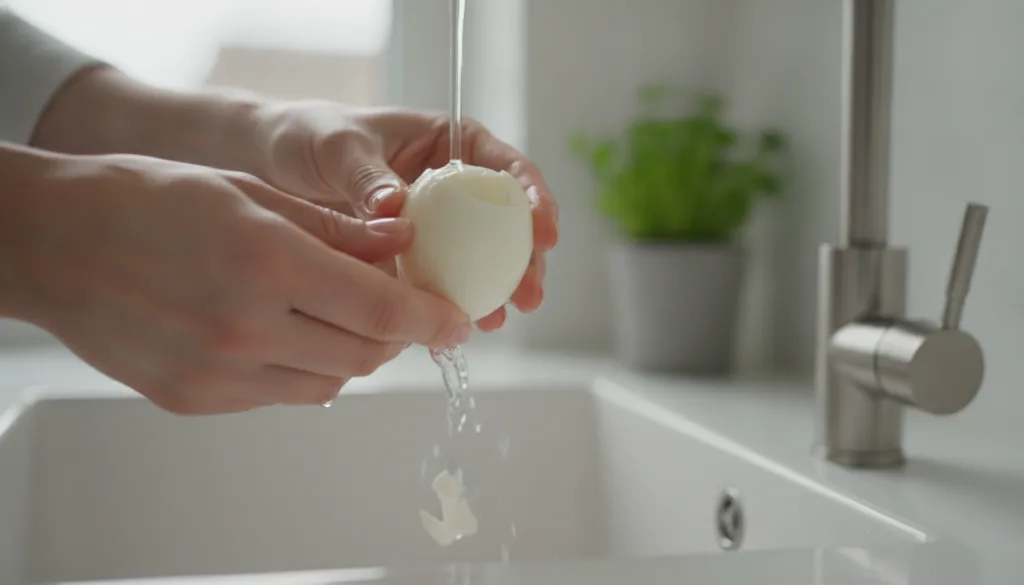
- Peel and Enjoy: Once cooled, gently tap and roll the eggs to crack the shell, then peel under cool running water.
Practical Tips for Perfect Boiled Eggs
Easier Peeling
- Use Older Eggs: Fresher eggs tend to stick more. Eggs that are a week or two old are generally easier to peel.
- Ice Bath is Key: The rapid cooling in an ice bath causes the egg white to contract, separating it from the shell membrane.
- Peel Under Water: Peeling under a gentle stream of water can help wash away small shell fragments.
Serving Suggestions
- Classic Breakfast: Enjoy soft-boiled eggs with toast soldiers.
- Salad Topper: Hard-boiled eggs add protein and texture to any salad.
- Egg Salad: A timeless favorite for sandwiches and wraps.
- Snack Attack: Keep a batch of hard-boiled eggs in the fridge for a quick, high-protein snack.
- Deviled Eggs: A crowd-pleasing appetizer.
Common Mistakes to Avoid
- Overcooking: This leads to a rubbery white and a dry, chalky yolk with a greenish ring, which is unappetizing.
- Not Using an Ice Bath: Skipping this step can result in continued cooking, difficult peeling, and inconsistent results.
- Cracked Eggs: Placing cold eggs directly into boiling water can cause them to crack. Starting them in cold water minimizes this risk.
- Peeling Warm Eggs: Trying to peel eggs while still warm from the pot makes them much harder to peel cleanly.
FAQs About Boiled Eggs
How can I prevent my eggs from cracking during boiling?
Starting eggs in cold water and bringing them gradually to a boil, rather than dropping them into already boiling water, helps prevent cracking. You can also add a pinch of salt to the water.
Why do some hard-boiled egg yolks have a green ring?
A green-gray ring around the yolk is a sign of overcooking. It’s caused by a reaction between sulfur in the egg white and iron in the yolk, creating iron sulfide. While harmless, it’s not ideal for flavor or appearance.
Can I boil fresh eggs?
Yes, you can boil fresh eggs, but they are generally harder to peel than eggs that are a week or two old. If using fresh eggs, ensure a good ice bath to help with peeling.
How long can I store boiled eggs?
Peeled hard-boiled eggs can be stored in an airtight container in the refrigerator for up to 5 days. Unpeeled hard-boiled eggs can last up to 7 days in the fridge.
Is it better to start eggs in cold or hot water?
Starting eggs in cold water is generally recommended. It helps prevent cracking and ensures more even cooking, especially for hard-boiled eggs.
What’s the best way to cool eggs after boiling?
Immediately transfer cooked eggs to an ice bath (a bowl of ice water) for at least 5 minutes. This stops the cooking process and makes them much easier to peel.
Conclusion
Achieving your preferred boiled egg consistency is no longer a mystery! With this simple guide and a little practice, you can confidently cook perfectly boiled eggs every time, whether you’re craving a soft, jammy, or firm yolk. They’re a fantastic source of protein and essential nutrients, making them a smart choice for any meal or snack.
Ready to try your hand at perfect boiled eggs? We hope this guide inspires you to experiment and enjoy this healthy, versatile food. For more delicious and nutritious ideas, explore our other healthy food content!
This content is for educational purposes only and should not be considered medical advice. Consult a qualified healthcare professional for personalized dietary recommendations.