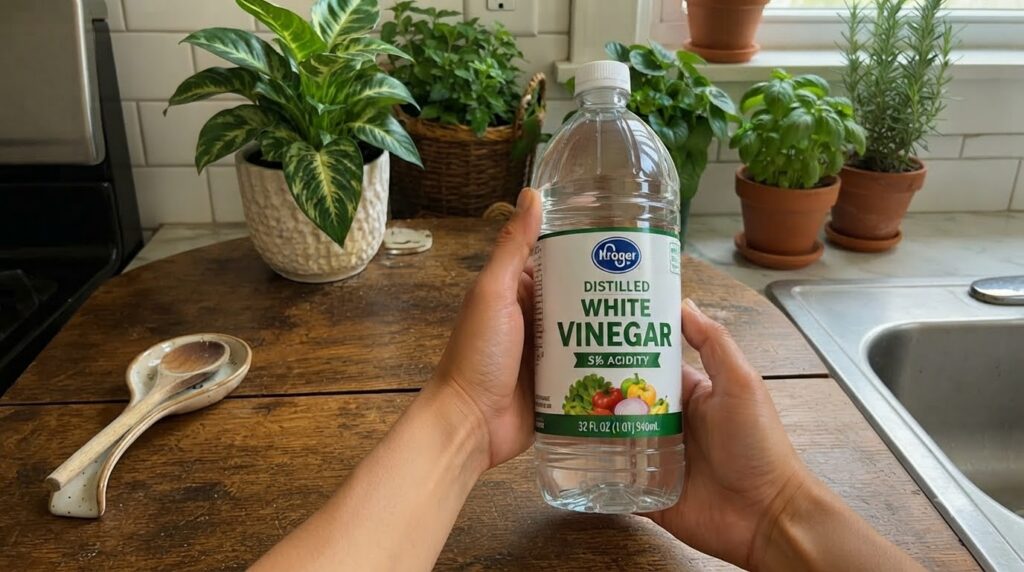
Often confined to the cleaning cabinet, white vinegar is a secret weapon that deserves a prime spot in every vegan kitchen. This humble pantry staple is far more than just a powerful cleaner; it’s an incredible culinary multitasker capable of brightening flavors, enhancing textures, and even aiding in vegan baking. Discover how this simple, affordable ingredient can elevate your everyday vegan meals with a subtle yet impactful touch.
Brightening Flavors in Vegan Dishes
White vinegar, with its sharp acidity, is a fantastic flavor enhancer. A small splash can cut through richness, add a vibrant zest, and awaken the taste buds without overpowering other ingredients. It’s especially useful in:
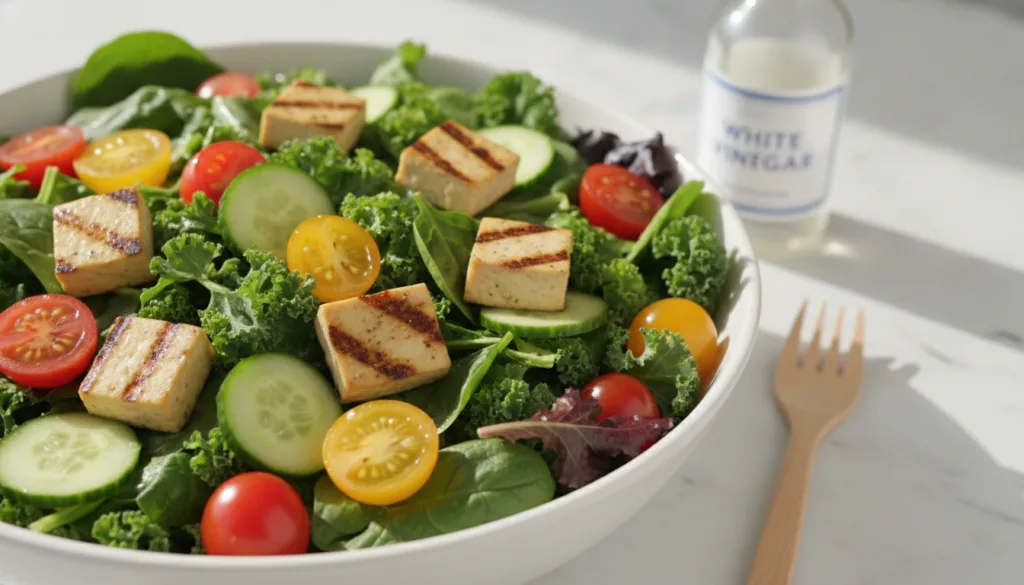
- Salad Dressings: It forms the perfect tangy base for vinaigrettes, bringing freshness to leafy greens and vibrant vegetables.
- Soups and Stews: A tiny bit of vinegar added at the end of cooking can brighten the flavors of hearty lentil stews, bean chilis, or vegetable soups, balancing their depth.
- Stir-fries and Sauces: It adds a lovely tang to Asian-inspired sauces or quick weeknight stir-fries, making them more dynamic.
Enhancing Texture and Tenderizing Plant-Based Ingredients
While often associated with tenderizing meat, white vinegar plays a crucial role in enhancing the texture of plant-based foods as well. Its acidity can help break down fibers, making ingredients more palatable and allowing marinades to penetrate deeper.
- Tofu and Tempeh Marinades: Including white vinegar in your marinades for tofu, tempeh, or seitan can help improve their texture, making them more receptive to absorbing flavors and achieving a desirable bite.
- Cooking Tougher Greens: A dash of vinegar can slightly soften tougher greens like collards or kale, reducing cooking time and enhancing their flavor profile.
- Beans and Legumes: Adding a little vinegar to the cooking water of beans can sometimes aid in their tenderization, though it’s often added post-cooking for flavor.
A Secret Weapon in Vegan Baking
For vegan bakers, white vinegar is a true hero. It often works in tandem with baking soda (bicarbonate of soda) to create a powerful leavening agent. When combined, the acid in the vinegar reacts with the baking soda, producing carbon dioxide gas. This gas creates bubbles, making your vegan cakes, muffins, and quick breads light and fluffy.
Simply replace a small amount of liquid in your recipe with white vinegar when baking soda is also used to get that perfect rise without eggs or dairy. It’s a fundamental principle of many successful vegan baking recipes.
Beyond the Basics: Other Culinary Uses
- Homemade Vegan Buttermilk: Mix 1 tablespoon of white vinegar (or lemon juice) with 1 cup of plant-based milk and let it sit for 5-10 minutes until it curdles. Use it in recipes calling for buttermilk.
- Cleaning Produce: A diluted white vinegar solution can be used to wash fruits and vegetables, helping to remove dirt and residues.
- Pickling and Preserving: While distinct from everyday cooking, white vinegar is indispensable for quick pickles, adding a tangy crunch to vegetables.
Embrace the Versatility
White vinegar is proof that simple ingredients can have a profound impact. From brightening complex flavors to ensuring your vegan baked goods rise beautifully, its culinary applications are diverse and incredibly valuable. By incorporating white vinegar into your cooking, you’re not just adding an ingredient; you’re unlocking a world of enhanced flavors and textures that make every vegan bite better.
Next time you’re in the kitchen, grab that bottle of white vinegar and experiment! You might be surprised by the delicious results.