Unlock Your Daily Vitamin C Boost with These Foods
Feeling like your immune system could use a little pick-me-up? Or perhaps you’re simply looking for delicious ways to nourish your body? You’re in the right place! Vitamin C, a powerhouse nutrient, is essential for so many bodily functions, from supporting your immune system to keeping your skin glowing.
This article will guide you through some of the best foods brimming with Vitamin C, providing you with a handy chart, practical serving suggestions, and tips to ensure you’re getting enough of this vital vitamin every day. Get ready to explore colorful and tasty options that will help you feel your best!
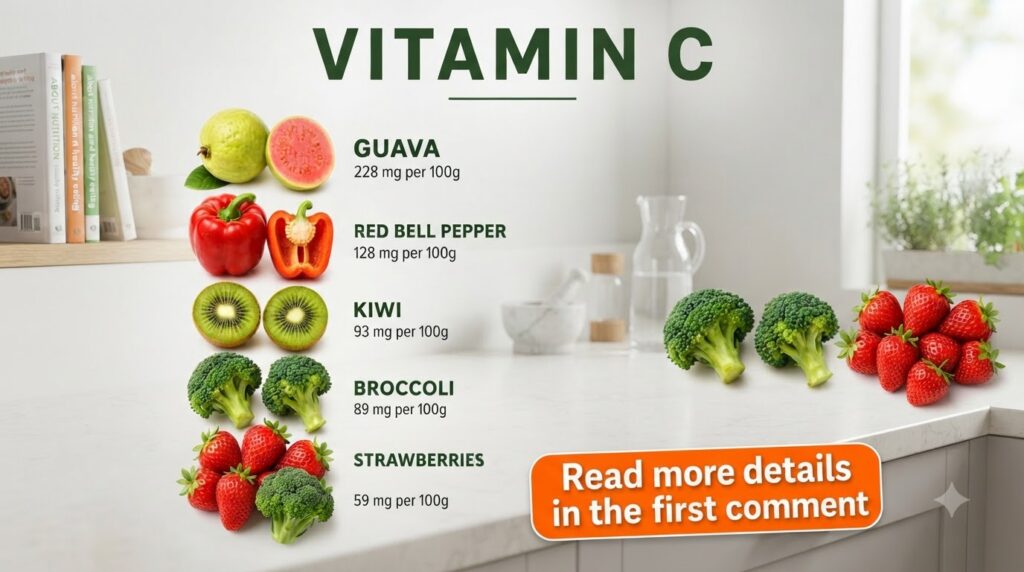
Why Vitamin C Matters for Your Health
Vitamin C, also known as ascorbic acid, is a crucial nutrient that plays multiple roles in maintaining your health. Since your body can’t produce it, you must get it from your diet. Here’s why it’s so important:
-
Immune System Support
Vitamin C is well-known for its role in immunity. It can help strengthen your body’s natural defenses by supporting various cellular functions of both the innate and adaptive immune systems. Research suggests adequate intake may help reduce the duration and severity of the common cold.
-
Powerful Antioxidant
As an antioxidant, Vitamin C helps protect your cells from damage caused by free radicals, which are unstable molecules that can contribute to chronic diseases and aging. This protective action is vital for overall health.
-
Collagen Production
Vitamin C is essential for the synthesis of collagen, a primary protein found in your skin, bones, tendons, ligaments, and blood vessels. Adequate Vitamin C intake can support skin elasticity, wound healing, and healthy joints.
-
Iron Absorption
It significantly enhances the absorption of non-heme iron, the type of iron found in plant-based foods. This is particularly beneficial for vegetarians and vegans.
Top Foods Rich in Vitamin C: A Comprehensive Chart
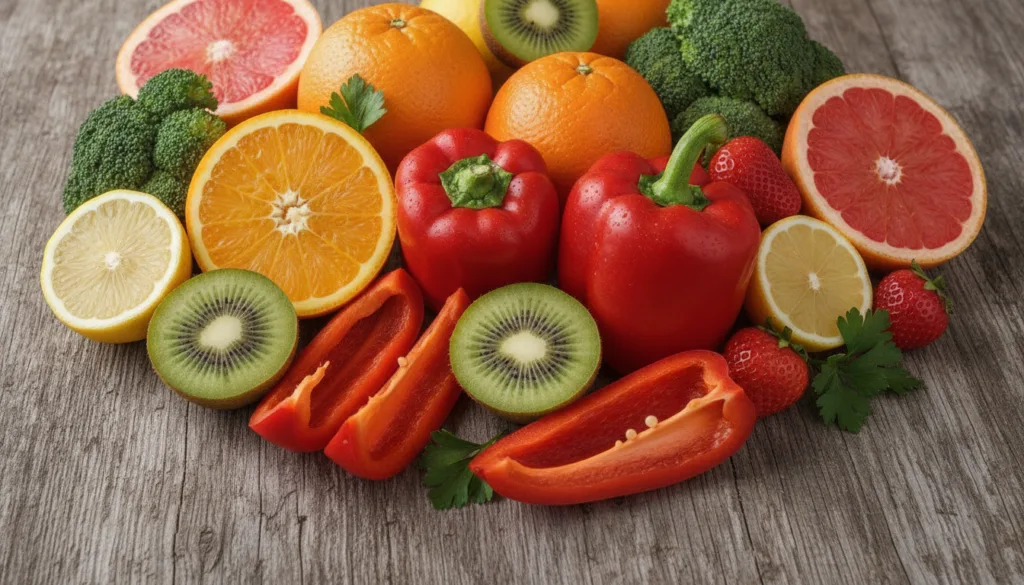
Ready to load up on Vitamin C? Here’s a chart featuring some of the best sources, along with their approximate nutritional values per 100 grams. Remember, these values can vary slightly based on ripeness, growing conditions, and preparation methods.
| Food | Calories (kcal) | Protein (g) | Carbs (g) | Fat (g) | Fiber (g) | Vitamin C (mg) | Best Benefit |
|---|---|---|---|---|---|---|---|
| Guava | 68 | 2.6 | 14.3 | 1.0 | 5.4 | 228 | Highest Vitamin C content |
| Kale (raw) | 49 | 3.3 | 10.0 | 0.9 | 3.6 | 120 | Nutrient-dense green |
| Red Bell Pepper | 31 | 1.0 | 6.0 | 0.3 | 2.1 | 128 | Versatile veggie |
| Kiwi | 61 | 1.1 | 15.0 | 0.5 | 3.0 | 93 | Refreshing and fibrous |
| Broccoli (raw) | 34 | 2.8 | 6.6 | 0.4 | 2.6 | 89 | Great for savory dishes |
| Lemon (raw) | 29 | 1.1 | 9.0 | 0.3 | 2.8 | 77 | Immune-boosting citrus |
| Papaya | 43 | 0.5 | 10.8 | 0.3 | 1.7 | 61 | Tropical and digestive aid |
| Strawberries | 32 | 0.7 | 7.7 | 0.3 | 2.0 | 59 | Sweet and juicy |
| Orange | 47 | 0.9 | 11.8 | 0.1 | 2.4 | 53 | Classic citrus source |
Nutrition Comparison Highlights
As you can see, guava stands out as a true Vitamin C superstar, offering significantly more than many other common sources. However, even foods like strawberries and oranges provide a substantial amount, especially when consumed regularly. Leafy greens like kale also contribute a good punch, along with other essential nutrients.
It’s important to remember that a diverse diet with various fruits and vegetables is key to getting a full spectrum of nutrients, not just Vitamin C.
Best Ways to Enjoy Vitamin C Rich Foods
Incorporating these foods into your daily meals can be both easy and delicious:
- Snacks: Grab a kiwi, a handful of strawberries, or slices of bell pepper for a quick, healthy snack.
- Smoothies: Blend guava, strawberries, or kale into your morning smoothie for a nutrient boost.
- Salads: Add chopped bell peppers, kale, or strawberries to your green salads for crunch and flavor.
- Stir-fries: Broccoli and bell peppers are fantastic in stir-fries. Just be mindful of cooking times, as excessive heat can reduce Vitamin C content.
- Zesty Flavor: Squeeze fresh lemon juice over salads, fish, or steamed vegetables to add flavor and enhance iron absorption.
- Fruit Salads: Combine various Vitamin C-rich fruits for a vibrant and healthy dessert.
Who Should Prioritize Vitamin C Intake?
While everyone benefits from adequate Vitamin C, certain groups may especially benefit from paying close attention to their intake:
- Smokers: Smoking depletes Vitamin C levels in the body, requiring a higher intake.
- Individuals under stress: Stress can increase the body’s need for Vitamin C.
- Those with low iron: As Vitamin C enhances iron absorption, it’s beneficial for those at risk of iron deficiency.
- People with compromised immune systems: To further support immune function.
- Anyone recovering from surgery or injury: Due to its role in collagen production and wound healing.
Practical Tips for Boosting Your Vitamin C
Here are some simple tips to help you get the most out of your Vitamin C intake:
- Eat Them Raw When Possible: Vitamin C is heat-sensitive, so enjoying fruits and vegetables raw or lightly cooked preserves more of the nutrient.
- Store Properly: Keep fruits and vegetables in a cool, dark place or refrigerator to minimize nutrient loss over time.
- Shop Fresh: The fresher the produce, the higher its nutrient content tends to be.
- Combine with Iron: Pair Vitamin C-rich foods with plant-based iron sources (like lentils or spinach) to boost iron absorption.
- Aim for Variety: Don’t rely on just one source. Enjoy a colorful array of fruits and vegetables daily.
FAQs About Vitamin C and Food

Q1: Can I get enough Vitamin C from food alone?
A: Absolutely! Most people can meet their daily Vitamin C needs through a balanced diet rich in fruits and vegetables. Supplements are usually only necessary if dietary intake is insufficient or due to specific medical conditions.
Q2: Does cooking destroy Vitamin C?
A: Yes, Vitamin C is sensitive to heat, light, and air. Cooking methods like boiling can lead to significant loss, as Vitamin C leaches into the cooking water. Steaming or stir-frying for short durations can help preserve more of the nutrient.
Q3: How much Vitamin C do I need daily?
A: The recommended daily allowance (RDA) for most adult men is 90 mg and for adult women is 75 mg. Pregnant and lactating women, as well as smokers, require slightly higher amounts.
Q4: Can you have too much Vitamin C?
A: Vitamin C is water-soluble, so excess amounts are generally flushed out of the body through urine. However, very high doses from supplements (typically above 2,000 mg per day) may cause digestive upset like diarrhea, nausea, and abdominal cramps.
Q5: Are frozen fruits and vegetables as good as fresh for Vitamin C?
A: Often, yes! Frozen fruits and vegetables are usually picked at their peak ripeness and flash-frozen, which helps lock in nutrients, including Vitamin C. They can be an excellent and convenient alternative to fresh produce.
Q6: What are the signs of Vitamin C deficiency?
A: Severe Vitamin C deficiency can lead to scurvy, characterized by fatigue, gum inflammation, joint pain, poor wound healing, and bruising. Milder deficiencies might manifest as general fatigue, weak immunity, and dry skin.
Conclusion
Vitamin C is an indispensable nutrient for a healthy body, playing a crucial role in immune function, skin health, and overall well-being. By regularly incorporating a variety of Vitamin C-rich foods like guava, bell peppers, kiwi, broccoli, and strawberries into your diet, you can easily meet your daily needs and enjoy their many health benefits.
Start experimenting with these delicious foods in your meals and snacks. Your body will thank you for it! For more tips on healthy eating and nourishing recipes, be sure to explore more content on our website.
This content is for educational purposes only and should not be considered medical advice. Consult a qualified healthcare professional for personalized dietary recommendations.