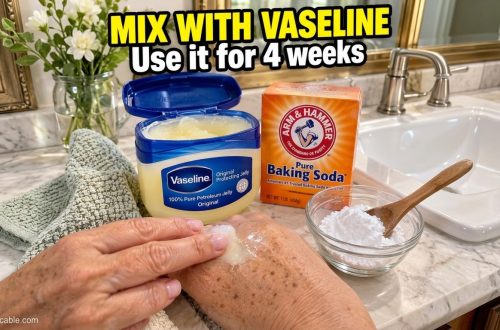
A viral trend suggesting a DIY mix of Vaseline and lime for dark spots has been circulating, promising quick fixes. However, experts are issuing a crucial warning: this combination can seriously harm your skin and even worsen hyperpigmentation, especially after sun exposure.

The Viral Dark Spot Mix to Avoid
Many online remedies can be tempting, but it’s vital to differentiate between helpful DIY solutions and those that pose risks. The Vaseline and lime mix falls into the latter category, specifically because of the lime.
Quick Breakdown of the Risky Mix
Prep time: 2 minutes
Best for: NOT recommended for dark spots or any skin application
Use type: Topical paste (DANGEROUS)
Main ingredients:
- Vaseline (petroleum jelly)
- Fresh lime juice
The Ingredients People Are Using (and Why They’re Problematic)
- Vaseline (Petroleum Jelly): Often used as an occlusive agent to lock in moisture and protect the skin barrier. While generally safe for simple hydration, it does not have properties to treat dark spots.
- Fresh Lime Juice: Contains citric acid and furocoumarins (psoralens). These compounds are highly reactive when exposed to UV light.
How This Risky Mix is Being Made
The viral trend typically involves a simple, yet dangerous, method:
- Take a small amount of Vaseline (e.g., a pea-sized to dime-sized amount).
- Add a few drops or a squeeze of fresh lime juice to the Vaseline.
- Mix the two ingredients together to form a rough paste or ointment.
How This Risky Mix is Being Used
Advocates of this DIY often suggest:
- Applying a small amount of the Vaseline and lime mix directly onto dark spots or areas of hyperpigmentation on the face or body.
- Leaving it on for a period, sometimes overnight, before rinsing.
How Often This Risky Mix is Suggested to Be Used
The viral trend often promotes daily or frequent application to achieve rapid results. However, this frequent use significantly increases the risk of severe skin reactions.

Why These Ingredients Are Used (and Why You Should Avoid Them)
Lime Juice
While lime juice is often seen as a natural brightener due to its citric acid content, its topical application comes with significant dangers. The primary concern is phototoxicity, caused by compounds called furocoumarins.
- Phototoxicity: When furocoumarins in lime juice come into contact with skin and are then exposed to ultraviolet (UV) light (from the sun or tanning beds), they can cause a severe inflammatory reaction. This reaction often manifests as redness, blistering, burning, and ultimately, a type of hyperpigmentation known as phytophotodermatitis, which is typically much darker and harder to treat than the original dark spots.
- Irritation: The high acidity of lime juice can also directly irritate and sensitize the skin, leading to redness, stinging, and increased vulnerability to environmental damage.
Vaseline
Vaseline itself is generally considered non-comedogenic and a good occlusive barrier. However, when mixed with an irritant like lime, it essentially traps the problematic ingredients against the skin, potentially intensifying the adverse reaction. It also creates a barrier that can trap heat and moisture, which might exacerbate irritation.
What Negative Results to Expect
Instead of fading dark spots, using Vaseline and lime on your skin can lead to:
- Severe Skin Irritation: Redness, burning, itching, and stinging sensations.
- Blistering and Chemical Burns: Particularly after sun exposure, which can be painful and lead to permanent scarring.
- Worsened Hyperpigmentation: The resulting phytophotodermatitis can create dark, stubborn patches that are much more difficult to fade than your original dark spots.
- Increased Sun Sensitivity: Making your skin more prone to sun damage in the future.
Safety Notes
- ABSOLUTELY AVOID LIME ON SKIN: Never apply lime juice directly to your skin, especially if you anticipate sun exposure.
- Consult a Professional: For effective and safe dark spot treatment, always consult a dermatologist or skincare professional.
- Stop Immediately: If you have tried this mix and experience any irritation, redness, burning, or blistering, wash the area thoroughly with mild soap and water and seek medical advice.
- Patch Test for ALL DIYs: For any other home remedy, always perform a patch test on a small, inconspicuous area of your skin before full application.
- Protect Your Skin: Always use broad-spectrum sunscreen daily, especially when addressing hyperpigmentation.

FAQ
Is Vaseline safe to use on its own for dark spots?
Vaseline is a great occlusive for moisture, but it does not contain active ingredients to fade dark spots. It can help maintain a healthy skin barrier, which supports overall skin health, but it’s not a treatment for hyperpigmentation.
What are safer natural alternatives for dark spots?
For natural options, consider ingredients like turmeric (when correctly formulated and used with caution to avoid staining), aloe vera, and green tea extracts, which have some research supporting their benefits for hyperpigmentation. Always research proper usage and potential sensitivities.
What should I do if I’ve already used lime on my skin?
If you’ve used lime on your skin, immediately wash the area thoroughly with mild soap and water. Avoid sun exposure completely. If you experience any redness, burning, blistering, or increased pigmentation, consult a doctor or dermatologist promptly.
Final Thoughts
While the allure of a quick DIY fix for dark spots is strong, it’s crucial to prioritize skin health and safety above viral trends. The Vaseline and lime mix is a prime example of a remedy that can cause more harm than good. Always choose science-backed or traditionally safe natural solutions, and when in doubt, consult with a skincare professional. Your skin deserves gentle, effective care to achieve a truly radiant and healthy glow.