Vitamin D, often called the “sunshine vitamin,” is crucial for your overall health. While our bodies can produce it when exposed to sunlight, many people don’t get enough. This can be due to various factors like living in northern climates, spending a lot of time indoors, or using sunscreen diligently.
Understanding which foods are rich in Vitamin D can make a significant difference in meeting your daily needs. In this article, we’ll explore the amazing benefits of Vitamin D, look at some scientific explanations, and highlight the best food sources to help you boost your intake naturally. Get ready to nourish your body and support your well-being!
Why Vitamin D Matters for Your Health
Vitamin D plays several vital roles in the body. It’s not just for bones; it influences many bodily functions, making it a true powerhouse nutrient.
Bone Health
Perhaps its most well-known role, Vitamin D is essential for healthy bones. It helps your body absorb calcium and phosphorus, two minerals critical for building and maintaining strong bones. Without enough Vitamin D, your bones can become brittle and thin, increasing the risk of fractures.
Immune System Support
Research suggests that adequate Vitamin D levels can help support your immune system. It plays a role in modulating both innate and adaptive immunity, which means it helps your body fight off infections and illnesses more effectively.
Mood Regulation
Some studies indicate a link between Vitamin D levels and mood. Low Vitamin D has been associated with an increased risk of mood disorders, suggesting its role in brain function and mental well-being.
Other Potential Benefits
- Heart Health: May play a role in cardiovascular function.
- Muscle Function: Supports normal muscle movement.
- Cell Growth: Involved in cell growth and differentiation.
How Vitamin D Works: A Quick Science Dive
When your skin is exposed to sunlight (specifically UVB rays), it begins to produce Vitamin D. This Vitamin D is then converted into its active form in the liver and kidneys, where it acts more like a hormone than a vitamin.
This active form helps regulate calcium and phosphate levels in the blood. It tells your intestines to absorb more calcium from the food you eat and signals your kidneys to retain calcium rather than excrete it. This intricate process ensures your body has enough calcium to support bone structure and other critical bodily functions.
Top Foods High in Vitamin D
While sunlight is a primary source, incorporating Vitamin D-rich foods into your diet is a delicious and reliable way to maintain healthy levels.

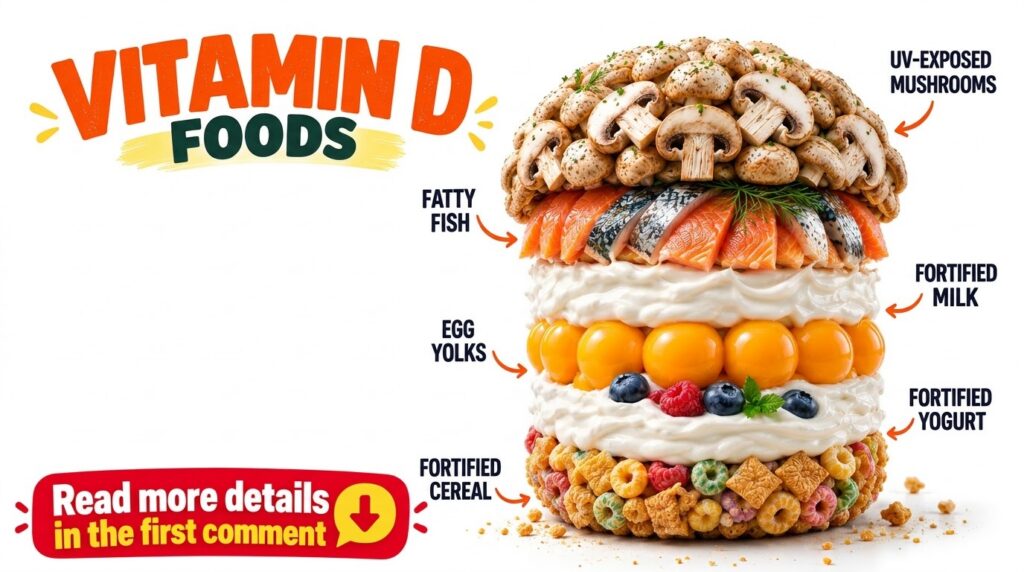
1. Fatty Fish
Fatty fish are among the best natural food sources of Vitamin D.
- Salmon: A 3.5-ounce (100-gram) serving of cooked salmon can provide a significant portion of your daily recommended intake.
- Mackerel: Another excellent oily fish choice.
- Sardines and Herring: Small, affordable, and packed with Vitamin D.
- Cod Liver Oil: While not a food you eat in large quantities, it’s a potent supplement source. Just one teaspoon can provide more than your daily requirement.
2. Mushrooms
Mushrooms are unique because they can produce Vitamin D when exposed to UV light, much like humans. Wild mushrooms or those specifically grown under UV lamps often have higher levels.
- UV-Exposed Mushrooms: Look for labels indicating UV-treated mushrooms.
- Wild Mushrooms: Some varieties, like morels and chanterelles, naturally contain Vitamin D.
3. Egg Yolks
Eggs are a convenient and versatile source. While the white contains most of the protein, the yolk is where you’ll find the Vitamin D.
- Free-Range or Pastured Eggs: Eggs from chickens that roam outdoors and are exposed to sunlight tend to have significantly higher Vitamin D levels than those from conventionally raised hens.
4. Fortified Foods
Many foods are fortified with Vitamin D to help people meet their daily needs. These are often staple items in many diets.
- Cow’s Milk: Most cow’s milk in the U.S. is fortified with Vitamin D.
- Plant-Based Milks: Many soy milk, almond milk, and oat milk varieties are fortified. Always check the label.
- Cereals and Oatmeal: Select breakfast cereals are fortified, making them an easy morning boost.
- Orange Juice: Some brands of orange juice are also fortified.
- Yogurt: Certain yogurt products are fortified with Vitamin D.
Best Ways to Incorporate Vitamin D-Rich Foods
Getting your daily dose of Vitamin D can be delicious and simple with these ideas:
- Salmon Dinner: Bake or grill salmon with lemon and herbs. Serve with roasted vegetables.
- Mushroom Omelets: Add UV-exposed mushrooms to your morning omelet or scrambled eggs.
- Fortified Smoothies: Blend fortified milk or yogurt with fruits for a quick breakfast or snack.
- Sardine Toasts: Enjoy sardines on whole-grain toast with a squeeze of lemon for a quick, nutrient-packed lunch.
- Egg-Centric Meals: Hard-boiled eggs for snacks, egg salad sandwiches, or deviled eggs.
- Cereal Boost: Start your day with fortified cereal and fortified milk.
Potential Risks and Considerations
Vitamin D Deficiency
A lack of Vitamin D can lead to several health issues:
- Rickets in Children: Causes soft, weak bones.
- Osteomalacia in Adults: Leads to soft bones, bone pain, and muscle weakness.
- Osteoporosis: Worsens bone density loss.
- Increased risk of infections: Due to a weakened immune response.
Vitamin D Toxicity
While rare from food sources, taking extremely high doses of Vitamin D supplements can lead to toxicity. Symptoms can include nausea, vomiting, weakness, frequent urination, and in severe cases, kidney problems. Always consult a healthcare professional before starting any high-dose supplements.
Practical Tips for Boosting Your Vitamin D
Beyond food, here are some actionable tips:
- Smart Sun Exposure: Safely get 10-30 minutes of midday sun exposure several times a week, depending on your skin type and location. Be mindful of skin cancer risks and use sunscreen for prolonged exposure.
- Diverse Diet: Aim to include a variety of the Vitamin D-rich foods mentioned above in your weekly meals.
- Check Labels: When buying milk, cereals, or plant-based alternatives, look for “fortified with Vitamin D” on the nutrition label.
- Consider Supplements (Wisely): If you live in a region with limited sunlight or have dietary restrictions, a Vitamin D supplement may be beneficial. Always discuss this with your doctor to determine the correct dosage.
- Regular Blood Tests: If you suspect a deficiency, ask your doctor for a blood test to check your Vitamin D levels.
FAQs About Vitamin D
Can I get enough Vitamin D from food alone?
It can be challenging, but not impossible, especially if you regularly consume fatty fish, UV-exposed mushrooms, and fortified foods. Sun exposure is generally considered the most efficient way for the body to produce Vitamin D.
What are common symptoms of low Vitamin D?
Symptoms can be subtle and include fatigue, bone pain, muscle weakness, muscle aches or cramps, and mood changes. Severe deficiency can lead to more serious bone issues.
Do all mushrooms contain Vitamin D?
No, not all mushrooms. Only mushrooms exposed to UV light (either from the sun or commercially) will contain significant amounts of Vitamin D. Wild mushrooms or those specifically labeled as “UV-treated” are the best sources.
Are fortified foods as good as natural sources of Vitamin D?
Fortified foods can be a significant and effective source of Vitamin D, often providing the same form (D2 or D3) as natural sources or supplements. They are particularly helpful for those who don’t consume fatty fish or get sufficient sun exposure.
How much sun exposure do I need to get enough Vitamin D?
The amount varies greatly depending on skin type, time of day, season, and geographical location. Generally, 10-30 minutes of midday sun exposure (when the sun is strongest) on exposed skin a few times a week is often sufficient for lighter skin tones. Darker skin tones may require more.
Can too much Vitamin D be harmful?
Yes, excessive intake from supplements can lead to Vitamin D toxicity, which can cause hypercalcemia (high calcium levels in the blood). This is extremely rare from food sources or sun exposure alone.
Conclusion
Vitamin D is undeniably vital for strong bones, a resilient immune system, and overall well-being. By understanding its benefits and knowing where to find it, you can take proactive steps to ensure your body gets enough of this essential nutrient. Incorporating delicious fatty fish, nutrient-rich mushrooms, and fortified foods into your diet is a fantastic starting point.
Remember to balance your dietary intake with safe sun exposure and consult your healthcare provider if you have concerns about your Vitamin D levels. Keep exploring our website for more evidence-based nutrition guides and healthy recipes to support your journey towards a healthier you!
This content is for educational purposes only and should not be considered medical advice. Consult a qualified healthcare professional for personalized dietary recommendations.
Internal Link Suggestions:
- High Protein Breakfast Ideas
- Superfoods for a Stronger Immune System
- Healthy Habits for Better Bone Health
- Easy Anti-Inflammatory Meal Prep