Are you looking for simple, delicious ways to support your health? Vitamin D, often called the “sunshine vitamin,” plays a crucial role in our well-being. While sunlight is a primary source, incorporating Vitamin D-rich foods into your diet is an excellent way to ensure you’re getting enough, especially during darker months or if you spend a lot of time indoors.
In this article, we’ll explore the amazing benefits of Vitamin D, highlight the best natural food sources, and provide practical tips to help you boost your intake. Get ready to discover how foods like salmon, mushrooms, and fortified dairy can contribute to stronger bones and a healthier immune system!
The Amazing Benefits of Vitamin D
Vitamin D is essential for many bodily functions. It’s not just a single vitamin but rather a group of fat-soluble secosteroids responsible for enhancing intestinal absorption of calcium, magnesium, and phosphate. Here’s why it’s so important:
- Bone Health: Perhaps its most well-known role, Vitamin D is crucial for maintaining strong bones. It helps your body absorb calcium, which is vital for bone formation and preventing conditions like osteoporosis.
- Immune System Support: Research suggests that adequate Vitamin D levels can support a healthy immune system, helping your body fight off infections.
- Mood Regulation: Some studies indicate a link between Vitamin D levels and mood. Maintaining sufficient levels may help support overall mental well-being.
- Muscle Function: Vitamin D plays a role in muscle strength and function, which can be particularly important for balance and preventing falls in older adults.
Top Natural Food Sources of Vitamin D
While sunlight is a major source, many delicious foods can help you meet your daily Vitamin D needs. Here are some of the best:
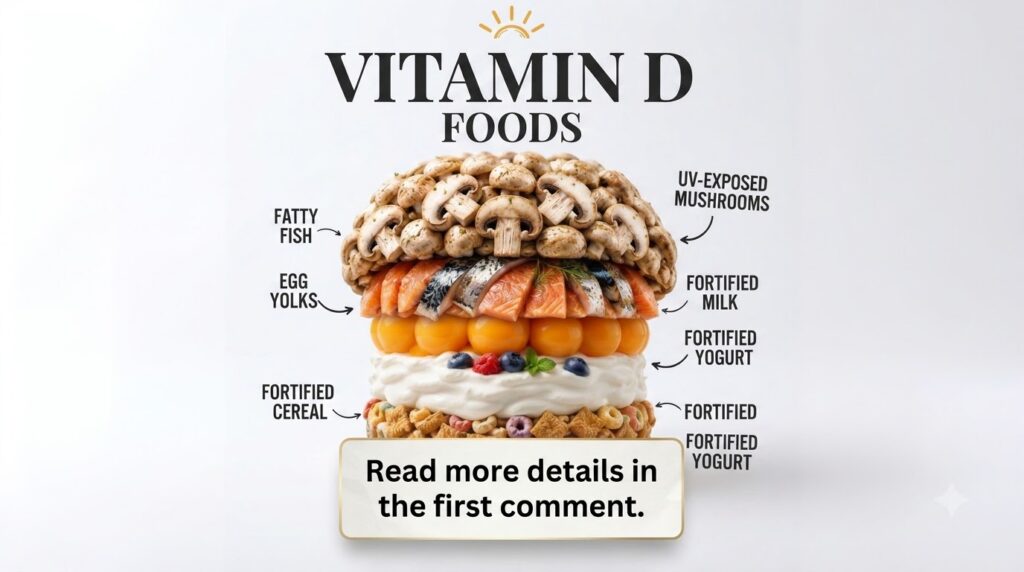
Fatty Fish
Oily fish like salmon, mackerel, tuna, and sardines are excellent natural sources of Vitamin D. A small serving can provide a significant portion of your daily recommended intake.
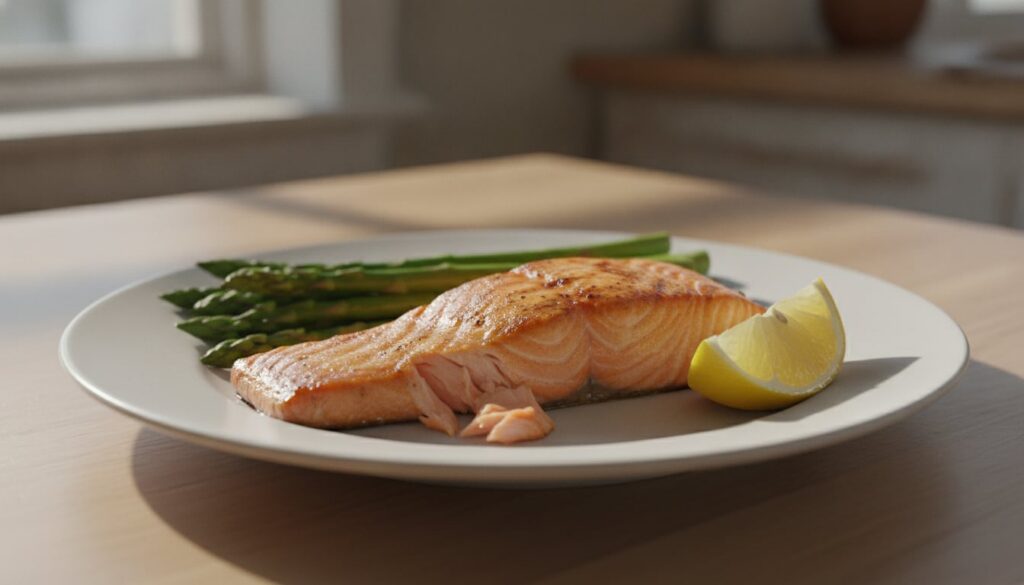
- Salmon: A 3.5-ounce (100-gram) serving of cooked salmon may provide 361–685 IU of Vitamin D, depending on whether it’s wild-caught or farmed.
- Mackerel: Similar to salmon, mackerel is a good source.
- Sardines: Small but mighty, canned sardines are convenient and packed with Vitamin D.
Mushrooms
Certain mushrooms, especially those exposed to UV light, can produce Vitamin D2. This is similar to how humans produce Vitamin D3 when exposed to sunlight.
- UV-Exposed Mushrooms: Look for mushrooms specifically labeled as having been exposed to UV light.
- Wild Mushrooms: Some wild varieties naturally contain more Vitamin D than cultivated ones.
Egg Yolks
Eggs, particularly their yolks, contain Vitamin D. The Vitamin D content can vary depending on the chicken’s exposure to sunlight and Vitamin D-fortified feed.
- Pastured Eggs: Eggs from chickens that roam outdoors and consume Vitamin D-rich feed tend to have higher levels.
Fortified Foods
Many foods are fortified with Vitamin D, meaning the vitamin has been added to them. These are especially helpful for those who struggle to get enough from natural sources or sunlight.
- Cow’s Milk: Most cow’s milk in the U.S. is fortified with Vitamin D.
- Plant-Based Milks: Many soy, almond, and oat milks are fortified with Vitamin D. Always check the label.
- Orange Juice: Some brands of orange juice are fortified with Vitamin D.
- Cereals: Many breakfast cereals have added Vitamin D.
- Yogurt: Select yogurt brands are fortified with Vitamin D.
Scientific Explanation: How Vitamin D Works
When your skin is exposed to sunlight, it produces Vitamin D3. When you consume Vitamin D from food (D2 from plants, D3 from animal sources and fortified foods), it travels to your liver. Here, it’s converted into 25-hydroxyvitamin D [25(OH)D], which is the main circulating form of Vitamin D in your body. This form is then sent to your kidneys, where it’s converted into the active form, 1,25-dihydroxyvitamin D. This active form acts like a hormone, regulating calcium and phosphate levels, supporting bone growth, and influencing immune cells.
Best Ways to Eat Vitamin D-Rich Foods
- Breakfast Boost: Enjoy fortified cereal with fortified milk or a scramble with Vitamin D-rich egg yolks.
- Lunch & Dinner: Grill or bake salmon, mackerel, or tuna. Add UV-exposed mushrooms to stir-fries, soups, or omelets.
- Snacks: Opt for fortified yogurt or a glass of fortified plant-based milk.
- Recipe Ideas:
- Salmon Salad: Mix canned salmon with Greek yogurt (fortified) and your favorite herbs for a quick, healthy lunch.
- Mushroom & Spinach Omelet: A hearty meal packed with nutrients.
- Breakfast Smoothie: Blend fortified milk or yogurt with fruits for a refreshing drink.
Potential Risks and Considerations
While increasing your Vitamin D intake is generally beneficial, it’s important to do so safely.
- Deficiency: Many people are deficient in Vitamin D, especially those with limited sun exposure, darker skin, or certain medical conditions. Symptoms of deficiency can include fatigue, bone pain, and muscle weakness.
- Excessive Intake: While rare from food sources alone, extremely high doses of Vitamin D, usually from supplements, can lead to toxicity. This can cause a buildup of calcium in your blood, leading to nausea, vomiting, weakness, and kidney problems. Always consult with a healthcare professional before taking high-dose supplements.
Practical Tips for Boosting Your Vitamin D
- Embrace Fatty Fish: Aim for two servings of fatty fish per week.
- Read Labels: When buying milk, plant-based alternatives, cereals, or juices, check for Vitamin D fortification.
- Consider UV-Treated Mushrooms: Look for these specially grown mushrooms in your local grocery store.
- Smart Egg Choices: If available, choose eggs from pastured chickens.
- Safe Sun Exposure: When possible, get a few minutes of unprotected sun exposure (around 10-30 minutes for lighter skin tones, longer for darker skin) a few times a week, while being mindful of skin cancer risks.
FAQs About Vitamin D and Food
Q1: Can I get all my Vitamin D from food?
A: It can be challenging to meet all your Vitamin D needs solely through food, especially without significant sun exposure. Combining dietary sources with sunlight and potentially supplements (if recommended by a doctor) is often the most effective approach.
Q2: How much Vitamin D do I need daily?
A: The recommended daily allowance (RDA) for most adults is 600-800 International Units (IU). However, individual needs can vary based on age, lifestyle, and health status.
Q3: Are plant-based sources of Vitamin D as good as animal sources?
A: Plant-based Vitamin D (D2) from mushrooms and fortified foods is absorbed and utilized by the body, though Vitamin D3 (from animal sources and sunlight) is often considered more potent and effective at raising blood levels.
Q4: Do all mushrooms contain Vitamin D?
A: Most commercially grown mushrooms are cultivated in the dark and contain very little Vitamin D. However, mushrooms exposed to UV light (either naturally or artificially) can produce significant amounts of Vitamin D2.
Q5: Is it safe to get Vitamin D from fortified foods every day?
A: Yes, consuming fortified foods daily is a safe and effective way to increase your Vitamin D intake within recommended limits. Always check nutrition labels for serving sizes.
Q6: Can cooking destroy Vitamin D in food?
A: Vitamin D is relatively stable during cooking. While some nutrients can be lost with high heat or prolonged cooking, significant loss of Vitamin D is unlikely with typical cooking methods.
Conclusion
Boosting your Vitamin D intake through natural food sources is a powerful step towards better health. From the omega-3 rich salmon to versatile fortified dairy and unique UV-exposed mushrooms, there are many delicious options to choose from. By incorporating these foods into your diet, you’re supporting your bone health, immune system, and overall vitality.
Keep exploring new ways to nourish your body with wholesome foods. For more healthy eating inspiration and recipe ideas, be sure to check out our other articles on healthy living!
This content is for educational purposes only and should not be considered medical advice. Consult a qualified healthcare professional for personalized dietary recommendations.