Are you looking for delicious and easy ways to boost your iron intake? Look no further than your pantry’s nut collection! These humble, crunchy snacks are more than just a tasty treat; they’re packed with essential nutrients, including the vital mineral iron.
Iron plays a crucial role in our bodies, from transporting oxygen in the blood to supporting energy levels. While meat is a well-known source, many plant-based foods, like certain nuts, can also be fantastic contributors. Incorporating iron-rich nuts into your diet is a simple and enjoyable way to enhance your overall nutrition.
In this guide, we’ll explore the top nuts that are loaded with iron, compare their nutritional profiles, and share practical tips on how to enjoy them daily. Get ready to discover your new favorite iron-boosting snack!
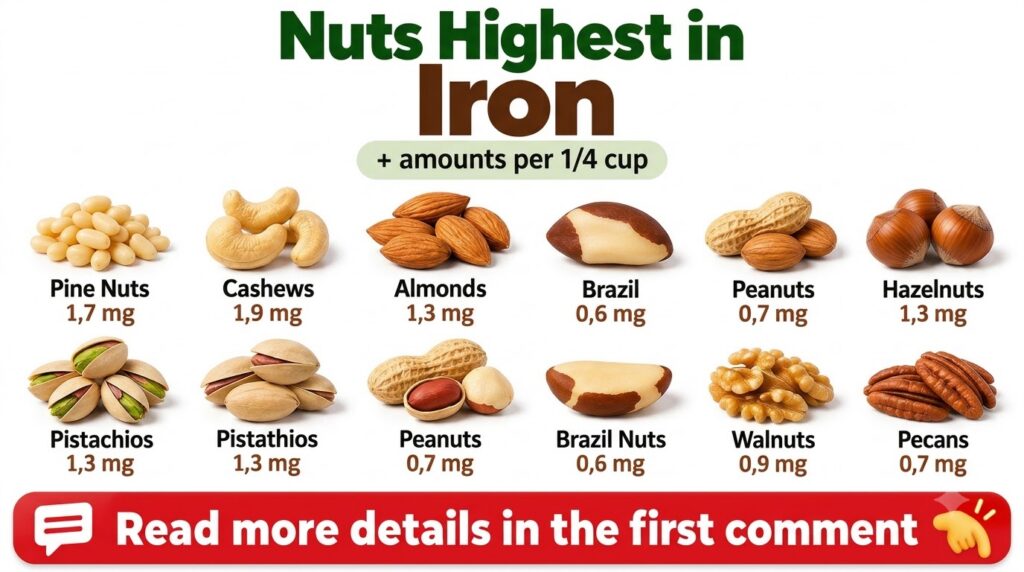
Iron-Rich Nut Chart: Nutritional Comparison (per ¼ cup serving)
Here’s a detailed look at some of the best nuts for iron, along with their key nutritional highlights. Remember, these values are approximate and can vary slightly based on the specific type and preparation.
| Food | Calories | Protein | Carbs | Fat | Fiber | Main Nutrients | Best Benefit |
|---|---|---|---|---|---|---|---|
| Almonds | 160 | 6g | 6g | 14g | 4g | Vitamin E, Magnesium, Iron | Heart health & Antioxidants |
| Cashews | 150 | 5g | 9g | 12g | 1g | Magnesium, Zinc, Iron | Immune support & Bone health |
| Peanuts | 210 | 9g | 6g | 18g | 3g | Biotin, Niacin, Iron | High protein & Energy boost |
| Pistachios | 160 | 6g | 8g | 13g | 3g | Vitamin B6, Potassium, Iron | Antioxidant-rich & Eye health |
| Walnuts | 185 | 4g | 4g | 18g | 2g | Omega-3s, Magnesium, Iron | Brain health & Anti-inflammatory |
| Hazelnuts | 190 | 4g | 5g | 18g | 3g | Vitamin E, Manganese, Iron | Skin health & Antioxidants |
| Pecans | 195 | 3g | 4g | 20g | 3g | Zinc, Manganese, Iron | Healthy fats & Heart protection |
| Brazil Nuts | 200 | 4g | 4g | 21g | 2g | Selenium, Magnesium, Iron | Thyroid support & Antioxidant |
| Macadamia Nuts | 210 | 2g | 4g | 22g | 2g | Manganese, Thiamin, Iron | Monounsaturated fats & Energy |
Understanding the Nutritional Power of Nuts
While all these nuts offer valuable iron, their overall nutritional profiles vary significantly. For instance, peanuts stand out with the highest protein content, making them an excellent choice for a satiating snack. Walnuts, on the other hand, are renowned for their high omega-3 fatty acid content, beneficial for brain and heart health. Cashews and almonds provide a good balance of minerals like magnesium and zinc, which are crucial for numerous bodily functions.
It’s important to remember that nuts are also calorie-dense due to their healthy fat content. Enjoying them in moderation is key to reaping their benefits without overdoing it on calories.
Serving Suggestions: Delicious Ways to Enjoy Iron-Rich Nuts
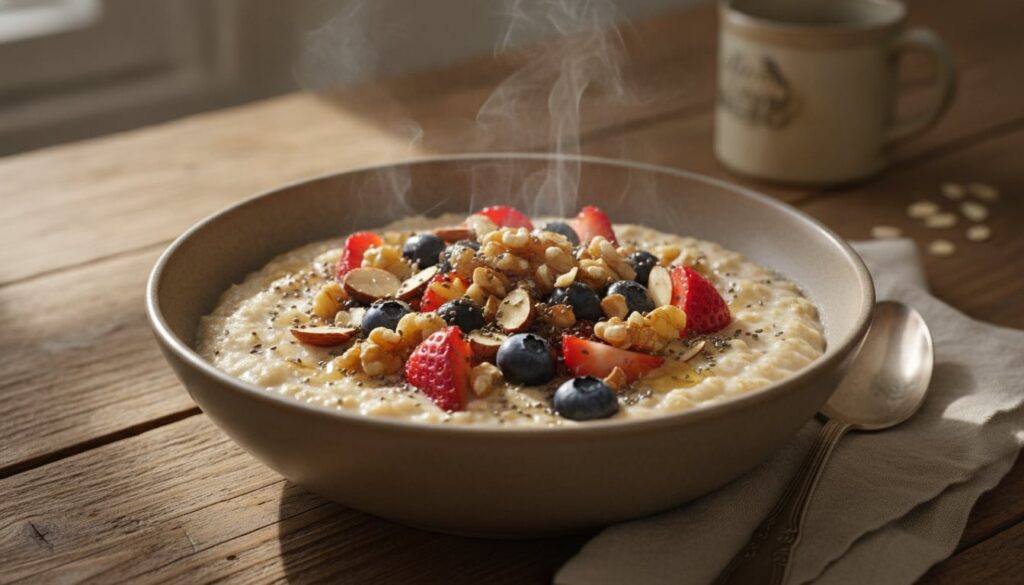
Incorporating iron-rich nuts into your daily diet is simple and versatile. Here are some ideas:
- Snack Smart: Grab a handful of raw or dry-roasted cashews, almonds, or peanuts for a quick energy boost between meals.
- Breakfast Booster: Sprinkle chopped nuts over your oatmeal, yogurt, or whole-grain cereal.
- Salad Topper: Add crunch and nutrition to your salads with toasted walnuts, pecans, or pistachios.
- Smoothie Enhancer: Blend a tablespoon of nut butter (made from iron-rich nuts like almond or peanut butter) into your morning smoothie.
- Baking & Cooking: Incorporate nuts into healthy baked goods, stir-fries, or as a coating for chicken or fish.
- Homemade Trail Mix: Combine your favorite iron-rich nuts with dried fruits (like apricots or raisins, also iron-rich) and seeds for a custom trail mix.
Who Should Eat More Iron-Rich Nuts?
While everyone can benefit from including nuts in their diet, certain individuals may particularly benefit from boosting their iron intake through foods like nuts:
- Vegetarians and Vegans: Plant-based diets require careful planning to ensure adequate iron intake, as non-heme iron (found in plants) is absorbed differently than heme iron (found in animal products).
- Pregnant Women: Iron needs increase significantly during pregnancy to support both the mother and developing baby.
- Individuals with Anemia: Those diagnosed with iron-deficiency anemia, under a doctor’s guidance, may benefit from iron-rich foods.
- Athletes: Intense physical activity can increase iron needs due to higher red blood cell turnover and iron loss through sweat.
- Young Children and Adolescents: Periods of rapid growth require sufficient iron for development.
Practical Tips for Maximizing Iron Absorption
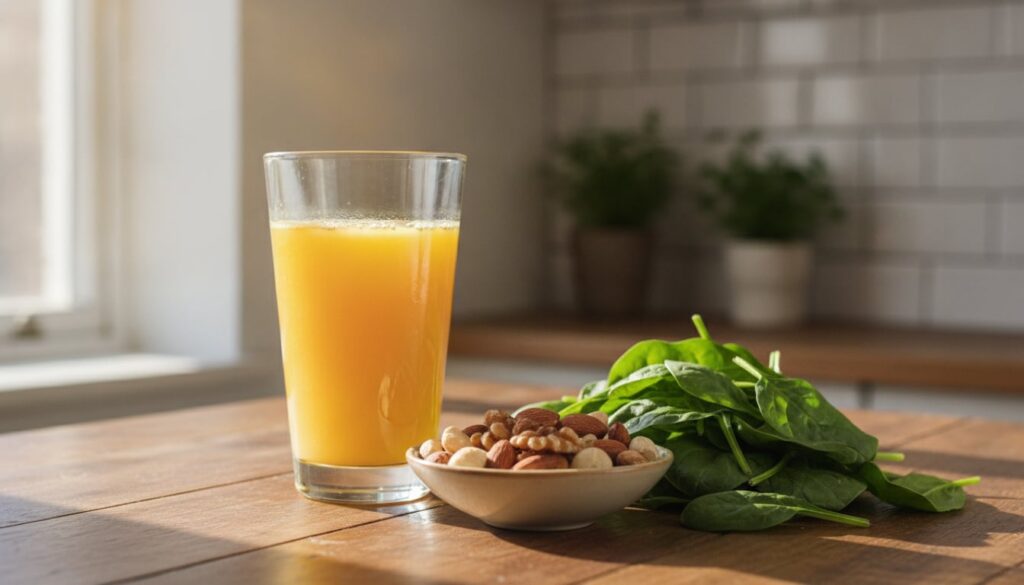
The iron found in nuts is non-heme iron, which is absorbed less efficiently by the body compared to heme iron. However, you can enhance its absorption with a few smart strategies:
- Pair with Vitamin C: Eating nuts with foods rich in Vitamin C (like oranges, strawberries, bell peppers, or kiwi) can significantly improve non-heme iron absorption.
- Avoid Tannins and Phytates: Beverages like tea and coffee, as well as some legumes and whole grains, contain compounds (tannins and phytates) that can inhibit iron absorption. Consider consuming them separately from your main iron-rich meals or snacks.
- Soaking or Sprouting: For some nuts and seeds, soaking or sprouting can help reduce phytate content, potentially increasing nutrient availability, including iron.
FAQs About Iron-Rich Nuts
Q1: How much iron do nuts provide compared to other sources?
While nuts offer valuable non-heme iron, the amount is generally lower than in red meat or fortified cereals. For example, 1/4 cup of cashews might provide around 1-2 mg of iron, whereas 3 ounces of beef could offer 2-3 mg. Nuts are a great complementary source, especially for plant-based diets.
Q2: Can I get enough iron from nuts alone?
It’s challenging to meet all your iron needs from nuts alone, especially if your requirements are high. Nuts should be part of a diverse diet rich in other iron sources, both heme and non-heme, along with Vitamin C to aid absorption.
Q3: Are roasted nuts as healthy as raw nuts for iron content?
Both raw and dry-roasted nuts generally retain their iron content. However, oil-roasted nuts might have added fats and calories. Opt for raw or dry-roasted whenever possible.
Q4: What’s the best way to store nuts to preserve their nutrients?
Nuts are best stored in an airtight container in a cool, dark place like your pantry. For longer freshness and to prevent rancidity, especially for nuts with higher fat content, consider storing them in the refrigerator or freezer.
Q5: Can nuts cause an allergic reaction?
Yes, nut allergies are common and can be severe. If you have a known nut allergy, avoid all nuts and products that may contain them. Always check food labels carefully.
Q6: What other plant-based foods are good sources of iron?
Besides nuts, excellent plant-based iron sources include lentils, beans, spinach, kale, fortified cereals, tofu, tempeh, pumpkin seeds, and dried fruits like apricots and prunes.
Conclusion
Nuts are a powerhouse of nutrition, and many varieties offer a valuable contribution to your daily iron intake. From the versatile almond to the unique Brazil nut, incorporating these crunchy delights into your diet can help boost your energy, support vital bodily functions, and provide a wealth of other beneficial nutrients.
Remember to pair them with Vitamin C-rich foods to maximize iron absorption and enjoy them as part of a balanced, varied diet. So go ahead, grab a handful of your favorite iron-rich nuts and snack your way to better health!
This content is for educational purposes only and should not be considered medical advice. Consult a qualified healthcare professional for personalized dietary recommendations.