Unpredictable events can disrupt everything, from local weather emergencies to wider economic shifts, making strategic preparedness essential for peace of mind and family security. The thought of an emergency food pantry might sound extreme, but it’s genuinely vital. When access to fresh food becomes challenging, having a reliable supply of nutrient-rich staples can make all the difference for sustained nutrition.
This guide isn’t about fear-mongering; it’s about empowerment and practical readiness. We’ll explore why building an emergency food supply is a non-negotiable aspect of modern household planning and reveal 12 vital foods you should always have on hand to ensure sustained nourishment for your loved ones, no matter what comes your way.
Why Emergency Food Storage is Essential for Modern Life
In today’s fast-paced world, it’s easy to assume food will always be readily available. However, various scenarios can quickly disrupt our access to daily necessities:
- Natural Disasters: Hurricanes, floods, earthquakes, blizzards, or wildfires can cut off power, close roads, and halt supply chains, sometimes for extended periods.
- Economic Shifts & Supply Chain Issues: Unexpected economic downturns or global events can lead to shortages, price spikes, or limited availability of certain products.
- Local Emergencies: Even localized events, like power outages or civil unrest, can temporarily impact grocery store operations.
- Personal Crises: An unexpected illness or job loss can make regular grocery shopping difficult, underscoring the value of a well-stocked pantry.
Strategic food storage provides a crucial safety net, reducing stress and ensuring your family has the essential calories and nutrients needed to weather any storm comfortably.
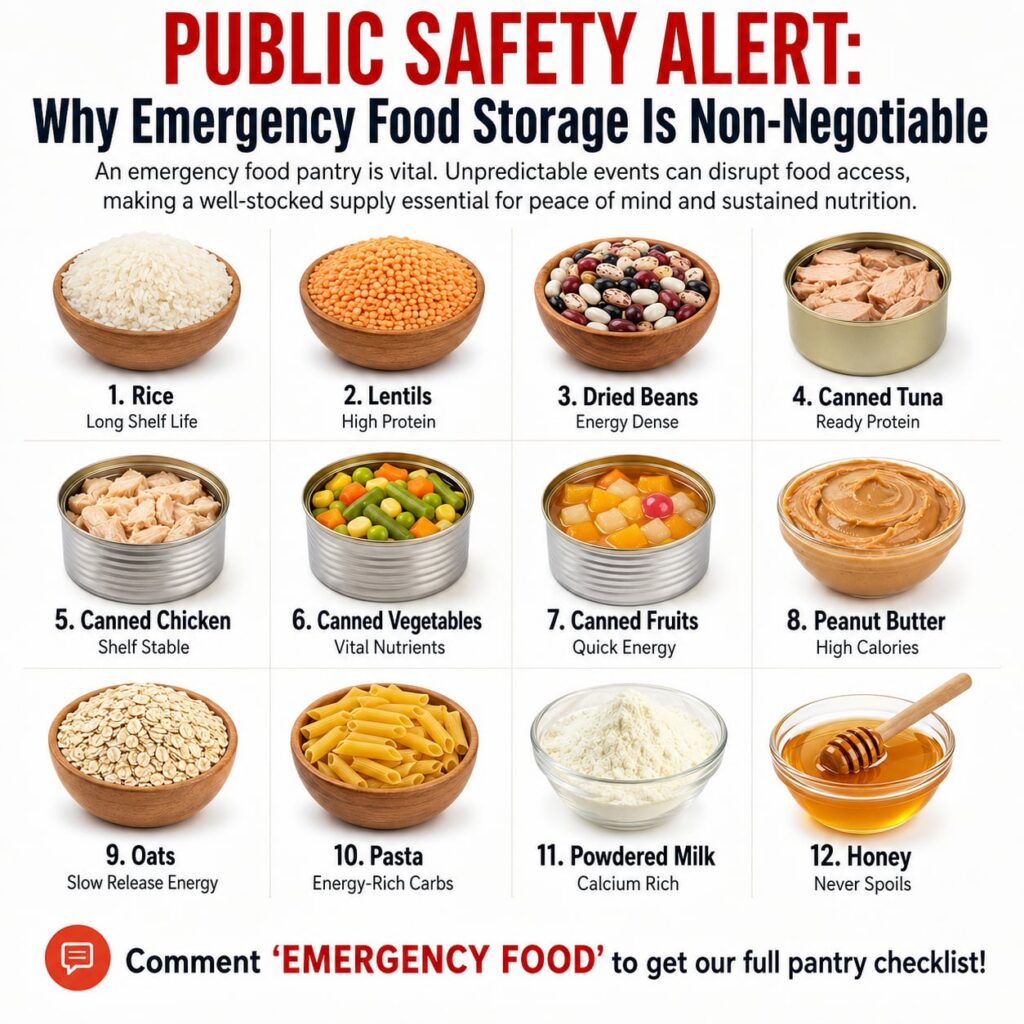
The 12 Vital Foods for Your Emergency Pantry: Sustained Nutrition for Any Situation
When selecting foods for your emergency supply, prioritize items that are non-perishable, nutrient-dense, versatile, and require minimal preparation. Here are 12 essential categories:
1. Canned Beans & Lentils
Canned beans (black, kidney, pinto) and lentils are powerhouses of plant-based protein, fiber, and essential minerals like iron and magnesium. They are incredibly versatile, perfect for stews, soups, or served as a side. Their long shelf life and nutritional density make them a top choice for emergency food storage.
2. White Rice
While brown rice offers more fiber, white rice has an exceptionally long shelf life, especially when stored properly. It’s a high-caloric, easily digestible carbohydrate source that forms an excellent base for many meals, providing sustained energy during challenging times. Look for large bags of best long-term rice storage options.
3. Pasta
Similar to rice, dried pasta is a calorie-dense and versatile carbohydrate. It’s easy to cook and can be combined with canned vegetables or meats to create satisfying meals. Stock various shapes for culinary flexibility.
4. Canned Vegetables
Don’t overlook your greens! Canned vegetables like green beans, corn, peas, and carrots provide crucial vitamins, minerals, and fiber often lacking in other shelf-stable foods. They help maintain a balanced diet and prevent nutrient deficiencies.
5. Canned Fruits
Canned fruits (in juice or light syrup) such as peaches, pears, and applesauce offer a natural energy boost and supply valuable vitamins. They can be a welcome source of sweetness and hydration, especially important for morale.
6. Canned Meats & Fish
Sources like canned tuna, salmon, chicken, and beef are vital for protein, which is essential for muscle maintenance and overall bodily function. Canned fish also provides beneficial omega-3 fatty acids. These are critical components of a high-protein emergency food supply.
7. Peanut Butter & Nut Butters
Rich in protein, healthy fats, and calories, peanut butter is an excellent energy source with a long shelf life. It’s great on crackers, fruit, or straight from the jar for a quick, filling boost.
8. Oats (Rolled or Steel-Cut)
Oats are a fiber-rich grain that can provide a hearty, sustaining breakfast. They are easy to prepare with water and can be enhanced with dried fruits or nuts for added nutrition and flavor, making them ideal for healthy emergency breakfast ideas.
9. Dried Fruits
Raisins, apricots, prunes, and other dried fruits are concentrated sources of energy, fiber, and vitamins. They are lightweight, store well, and offer a quick, nutritious snack that can boost spirits.
10. Nuts & Seeds
Almonds, walnuts, cashews, and various seeds (like chia or sunflower) are packed with protein, healthy fats, fiber, and micronutrients. They provide dense nutrition in a small package and are perfect for snacking or adding to meals.
11. Whole Grain Crackers / Hardtack
These provide a sturdy, shelf-stable source of carbohydrates and fiber. They can be eaten alone or topped with nut butter, canned meats, or cheese spreads (if available) for a more complete meal.
12. Honey
Honey boasts an indefinite shelf life and serves as a natural sweetener that also provides quick energy. It’s a comforting addition and can be used to sweeten oats or drinks.
Building and Maintaining Your Emergency Food Supply
Creating an emergency food supply is just the first step; maintaining it is equally important. Here are some tips:
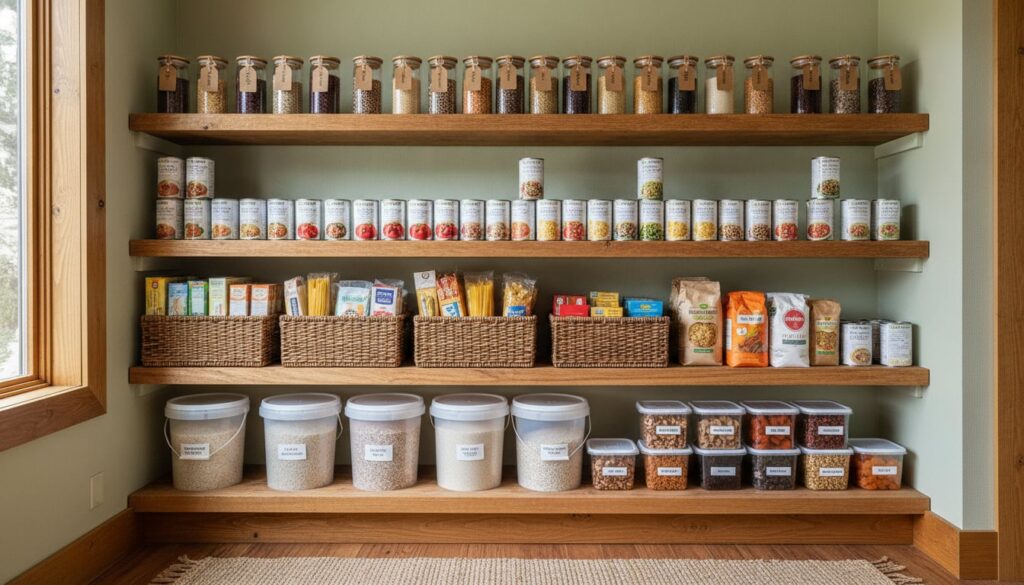
- Proper Storage: Store all items in a cool, dark, dry place to maximize their shelf life. Keep them in sturdy, pest-proof containers if not already sealed.
- Rotation is Key: Practice “first-in, first-out.” As you purchase new groceries, move older emergency supplies to the front for regular use and replace them with fresh items. This prevents food from expiring.
- Inventory & Organization: Keep a list of what you have and its expiration dates. Organize your pantry so you can easily find what you need. Consider clear containers or labels.
- Start Small, Build Gradually: You don’t need to buy everything at once. Add a few extra items to your grocery cart each week until your supply is complete.
Beyond Food: Water and Other Essentials
While food is critical, remember that water is even more so. Aim to store at least one gallon of water per person per day for drinking and sanitation, for at least three days. Beyond food and water, consider other emergency essentials:
- First-aid kit and essential medications
- Flashlights, batteries, and a hand-crank radio
- Warm blankets and extra clothing
- Personal hygiene items
- Important documents
Final Thoughts
Investing time and effort into your emergency food storage isn’t about anticipating the worst; it’s about preparing for the unexpected and empowering yourself with peace of mind. By stocking these 12 vital foods and maintaining your supply, you’re taking a significant step towards ensuring your family’s sustained nutrition and well-being, no matter what challenges may arise. Prioritizing preparedness is a cornerstone of modern, responsible living.