Zinc is an essential mineral that plays a vital role in countless bodily functions, especially when it comes to male vitality and overall well-being. From supporting a robust immune system to maintaining healthy testosterone levels, zinc is a true powerhouse nutrient.
In this article, we’ll explore why zinc is so crucial for men, highlight the best zinc-rich foods to incorporate into your diet, and provide practical tips to ensure you’re getting enough of this important mineral. Get ready to fuel your body and boost your vitality naturally!
The Mighty Benefits of Zinc for Men
Zinc isn’t just another mineral; it’s a fundamental nutrient for various aspects of men’s health. Here’s why it deserves a prime spot in your diet:
Supports Healthy Testosterone Levels
Testosterone is the primary male sex hormone, crucial for muscle mass, bone density, and sex drive. Research suggests that adequate zinc intake is linked to maintaining healthy testosterone levels, particularly in men with low zinc status.
Boosts Immune Function
A strong immune system is your body’s defense against illness. Zinc plays a key role in the development and function of immune cells, helping your body ward off infections and recover faster.
Promotes Prostate Health
The prostate gland contains high concentrations of zinc. Some studies indicate that zinc may play a protective role in prostate health, though more research is needed.
Enhances Fertility
For men, zinc is essential for sperm production and quality. It contributes to sperm motility and helps protect sperm from oxidative damage, making it a key nutrient for reproductive health.
Aids Wound Healing
Zinc is critical for cell growth and repair, making it indispensable for proper wound healing and tissue regeneration. It helps maintain the integrity of skin and mucous membranes.
Supports Cognitive Function
Emerging research suggests zinc may also play a role in brain health and cognitive function, including memory and learning.
Top Zinc-Rich Foods to Fuel Your Body
Meeting your daily zinc needs can be delicious and straightforward with these fantastic food sources:
1. Oysters
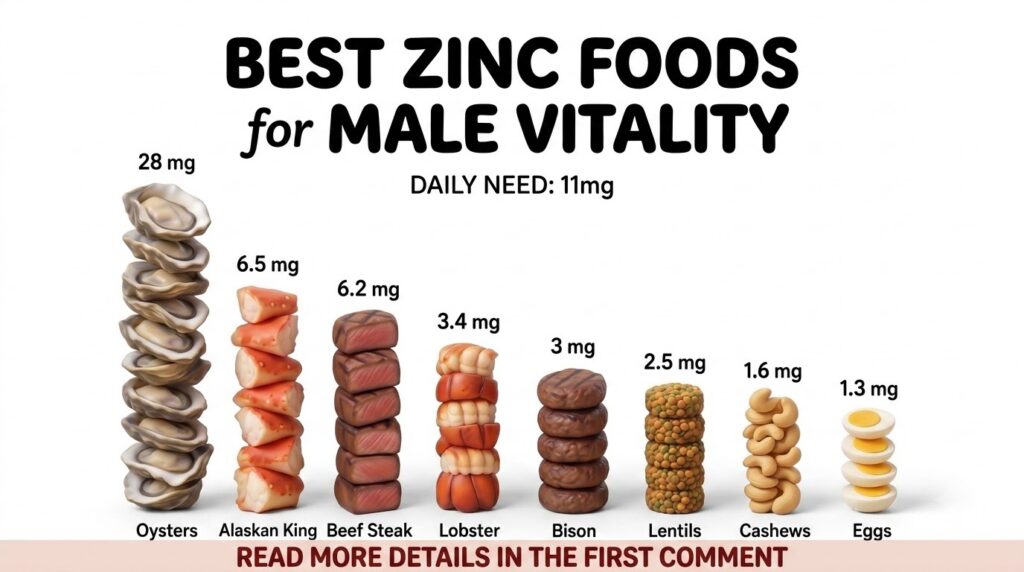
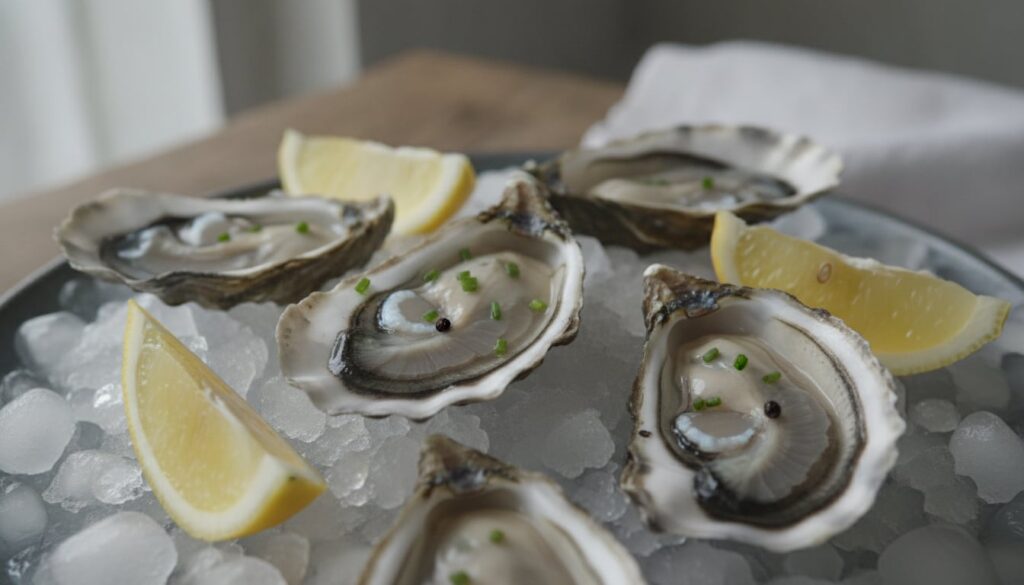
Oysters are arguably the most potent source of dietary zinc. Just a few medium oysters can provide several times your daily recommended intake. They’re also rich in other essential minerals.
2. Red Meat
Beef, lamb, and bison are excellent sources of zinc. A serving of lean beef can provide a significant portion of your daily zinc needs, along with high-quality protein and iron.
3. Shellfish
Beyond oysters, other shellfish like Alaskan King Crab and lobster are great zinc providers. They also offer lean protein and omega-3 fatty acids.
4. Legumes
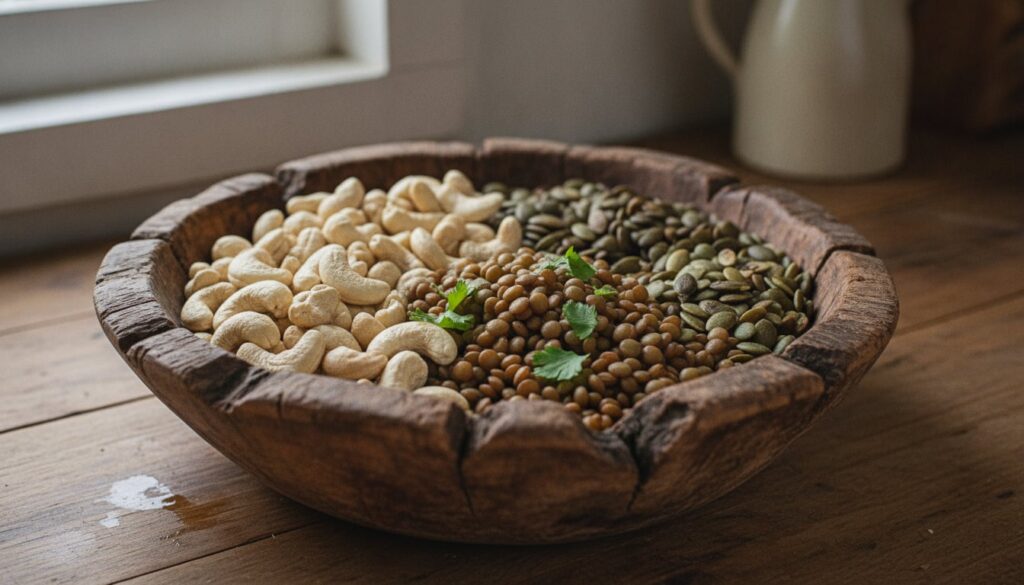
Lentils, chickpeas, and beans are fantastic plant-based sources of zinc. While plant-based zinc is absorbed slightly less efficiently due to phytates, soaking and sprouting can improve absorption. They also bring fiber and plant protein to your plate.
5. Nuts and Seeds
Pumpkin seeds, cashews, and almonds are excellent snacks packed with zinc. Pumpkin seeds, in particular, are celebrated for their zinc content, making them a popular choice for male health.
6. Dairy Products
Milk, yogurt, and cheese contain zinc, making them a convenient way to add this mineral to your diet, especially if you consume dairy regularly. They also provide calcium and protein.
7. Eggs
Eggs offer a moderate amount of zinc, along with high-quality protein, vitamins, and other minerals. They are a versatile and affordable way to boost your zinc intake.
Understanding Your Daily Zinc Needs
The recommended daily allowance (RDA) for zinc for adult men is typically around 11 milligrams (mg). Women usually require 8 mg. However, individual needs can vary based on factors like diet, age, and health conditions.
Practical Tips for Boosting Your Zinc Intake
- Snack Smart: Keep a bag of pumpkin seeds or cashews handy for a quick, zinc-rich snack.
- Include Legumes: Add lentils to soups, stews, or salads. Hummus (made from chickpeas) is another great option.
- Meat with Meals: Incorporate lean red meat a few times a week, or enjoy shellfish as a treat.
- Dairy Delights: Start your day with zinc-fortified cereal and milk, or enjoy yogurt as a snack.
- Eggs Any Time: Add eggs to breakfast scrambles, salads, or sandwiches.
- Pair for Absorption: Consume zinc-rich foods with foods high in vitamin C (like bell peppers or oranges) to potentially enhance absorption.
Potential Risks and Considerations
While zinc is vital, too much of a good thing can be detrimental. Excessive zinc intake, often from high-dose supplements, can lead to side effects like nausea, vomiting, stomach cramps, and even copper deficiency. Always consult a healthcare professional before taking zinc supplements, especially in high doses.
Conversely, a zinc deficiency can manifest as impaired immune function, hair loss, poor appetite, and delayed wound healing. If you suspect a deficiency, seek medical advice.
FAQs About Zinc and Men’s Health
Q: How much zinc do men need daily?
A: The recommended daily allowance (RDA) for adult men is 11 milligrams (mg).
Q: Can zinc boost testosterone levels?
A: Research suggests that adequate zinc intake is associated with maintaining healthy testosterone levels, particularly in men who are zinc deficient. It may not significantly boost levels in men who already have sufficient zinc.
Q: What are the best plant-based sources of zinc?
A: Excellent plant-based sources include lentils, chickpeas, beans, pumpkin seeds, cashews, and almonds.
Q: Are zinc supplements necessary?
A: Most men can meet their zinc needs through a balanced diet. Supplements may be necessary for those with deficiencies or certain health conditions, but always consult a doctor first.
Q: Can too much zinc be harmful?
A: Yes, excessive zinc intake (usually from high-dose supplements) can lead to side effects like nausea, vomiting, copper deficiency, and weakened immune function. Stick to recommended dosages.
Q: Does cooking reduce zinc content in foods?
A: Some cooking methods, especially boiling, can slightly reduce mineral content, including zinc. However, most common cooking methods preserve a significant amount of zinc.
Conclusion
Zinc is a critical mineral for male vitality, playing an indispensable role in everything from testosterone production and immune health to fertility and wound healing. By incorporating a variety of zinc-rich foods like oysters, red meat, legumes, and nuts into your diet, you can easily meet your daily needs and support your overall well-being.
Prioritizing nutrient-dense foods is a delicious way to take charge of your health. Keep exploring our blog for more insights into healthy eating and lifestyle choices!
This content is for educational purposes only and should not be considered medical advice. Consult a qualified healthcare professional for personalized dietary recommendations.