Unlock the Power of Starchy Veggies: Fuel Your Body!
When you hear “carbs,” do you immediately think of pasta and bread? While those are indeed carbohydrate sources, there’s a whole world of nutritious, energy-boosting carbs found in humble vegetables! Starchy vegetables are often misunderstood, but they are nutritional powerhouses that can play a vital role in a balanced diet.
This article will explore the incredible benefits of incorporating starchy vegetables into your meals. You’ll learn why these delicious foods are essential for sustained energy, how they support overall health, and discover easy, practical ways to enjoy them. Get ready to fuel your body deliciously and smartly!
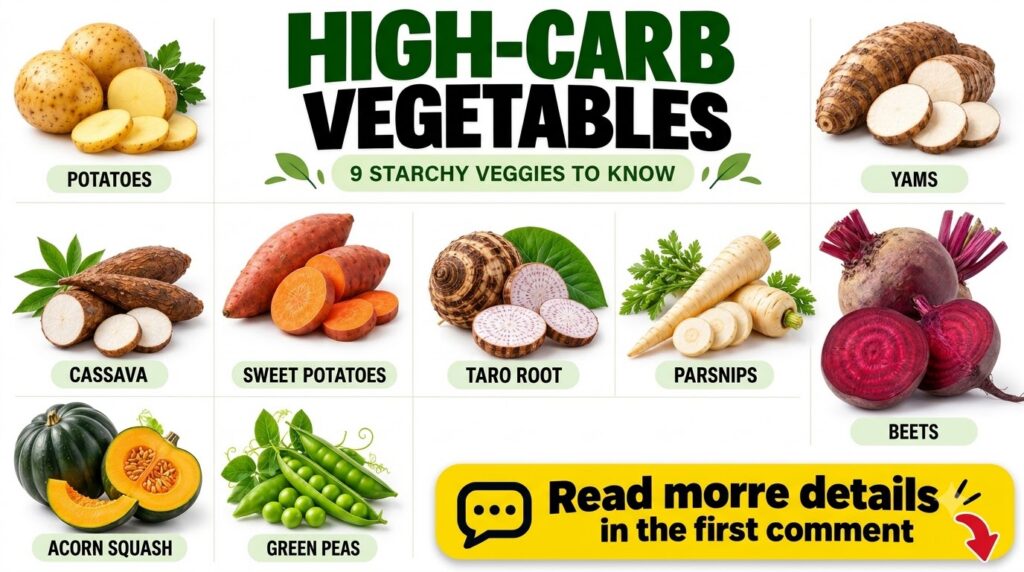
The Nutritional Goldmine: Benefits of Starchy Vegetables
Starchy vegetables offer more than just quick energy; they’re packed with a wide array of nutrients that support various bodily functions. Here’s why they deserve a spot on your plate:
- Sustained Energy: Unlike simple sugars, the complex carbohydrates in starchy vegetables are digested slowly. This provides a steady release of glucose into your bloodstream, offering long-lasting energy without the sudden spikes and crashes.
- Rich in Fiber: Many starchy vegetables, like sweet potatoes and peas, are excellent sources of dietary fiber. Fiber is crucial for digestive health, helping to regulate bowel movements and prevent constipation. It also contributes to feelings of fullness, which can be beneficial for weight management.
- Vitamins and Minerals: These veggies are often brimming with essential vitamins and minerals. For example, sweet potatoes are famous for their Vitamin A content, vital for vision and immune function, while potatoes offer Vitamin C and potassium.
- Antioxidant Power: Many starchy vegetables contain antioxidants, which help protect your cells from damage caused by free radicals. This can reduce the risk of chronic diseases and support overall health.
Understanding Their Nutrition Facts
While specific nutrient content varies between different starchy vegetables, they share a common profile. They are primarily composed of complex carbohydrates, which are their main energy source.
Key Nutrients Often Found:
- Carbohydrates: The primary macronutrient, providing energy.
- Dietary Fiber: Supports digestion, satiety, and blood sugar regulation.
- Vitamin A (Beta-carotene): Found abundantly in orange varieties like sweet potatoes and pumpkin, crucial for vision and immunity.
- Vitamin C: An antioxidant important for immune health and collagen production.
- Potassium: Essential for blood pressure regulation and nerve function.
- B Vitamins: Including folate, which plays a role in cell metabolism and DNA synthesis.
These nutrients work synergistically to support your body’s daily needs, making starchy vegetables a valuable component of a healthy eating pattern.
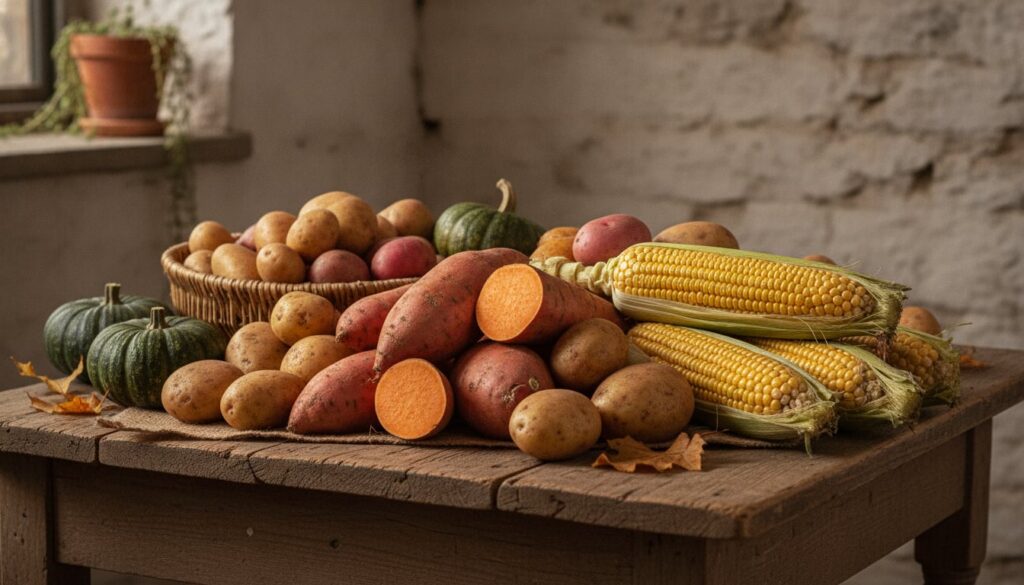
Scientific Explanation: Why Complex Carbs are Your Friend
The magic of starchy vegetables lies in their complex carbohydrate structure. Unlike simple carbohydrates (like those in sugary drinks), complex carbs are long chains of sugar molecules that take longer for your body to break down. This slower digestion offers several advantages:
- Stable Blood Sugar: The gradual release of glucose prevents rapid spikes and drops in blood sugar levels, which helps maintain stable energy and can be beneficial for managing conditions like diabetes.
- Enhanced Satiety: The fiber content, combined with the slower digestion, helps you feel fuller for longer. This can reduce overall calorie intake and support healthy weight management goals.
- Gut Health: Some types of fiber found in starchy vegetables act as prebiotics, feeding the beneficial bacteria in your gut. A healthy gut microbiome is linked to improved digestion, immunity, and even mood.
Best Ways to Eat Starchy Vegetables
Incorporating starchy vegetables into your diet is both easy and delicious. Here are some simple, healthy ways to enjoy them:
- Roast Them: Cubed sweet potatoes, parsnips, or butternut squash tossed with a little olive oil, salt, and herbs make a fantastic side dish. Roasting brings out their natural sweetness.
- Mash Them: Classic mashed potatoes are comforting, but try mashed sweet potatoes or cauliflower-potato mash for a nutrient boost.
- Add to Soups and Stews: Diced potatoes, carrots, or corn add heartiness and flavor to any soup or stew.
- Stir-Fries: Add some sliced carrots or snow peas to your favorite stir-fry for extra crunch and nutrients.
- Baked: A simple baked potato or sweet potato can be a meal in itself, topped with chili, salsa, or Greek yogurt.
- In Salads: Roasted or steamed starchy vegetables can add substance and flavor to your salads.

Potential Risks and Considerations
While incredibly healthy, it’s good to keep a few things in mind when enjoying starchy vegetables:
- Portion Control: Like all foods, moderation is key. If you’re managing weight or blood sugar, be mindful of portion sizes, as they are calorie-dense compared to non-starchy vegetables.
- Cooking Methods: The way you prepare starchy vegetables matters. Frying them in excessive oil or loading them with butter and cream can add unhealthy fats and calories, negating some of their benefits. Opt for roasting, steaming, boiling, or baking.
- Dietary Needs: If you have specific dietary restrictions or medical conditions, consult with a healthcare professional or registered dietitian for personalized advice on incorporating starchy vegetables into your diet.
Practical Tips for Incorporating Starchy Veggies
Making starchy vegetables a regular part of your diet is simple with these practical tips:
- Swap Wisely: Replace some of your refined grain side dishes with starchy vegetables. For instance, instead of white rice, try a side of roasted sweet potato.
- Batch Cook: Roast a large batch of your favorite starchy vegetables at the beginning of the week. They’ll be ready to add to meals, salads, or as quick snacks.
- Variety is Key: Don’t stick to just one! Explore different types like carrots, parsnips, peas, corn, and various squash to enjoy a broader range of nutrients and flavors.
- Combine with Protein and Healthy Fats: Pairing starchy vegetables with lean protein sources (like chicken or beans) and healthy fats (like avocado or olive oil) can further enhance satiety and provide a more balanced meal.
FAQs About Starchy Vegetables
Q1: Are starchy vegetables bad for weight loss?
A: Not necessarily. While they are more calorie-dense than non-starchy vegetables, their fiber content can help you feel full, potentially leading to eating less overall. Portion control and healthy cooking methods are key.
Q2: What is the difference between starchy and non-starchy vegetables?
A: Starchy vegetables (e.g., potatoes, corn, peas) have a higher carbohydrate content and generally more calories per serving. Non-starchy vegetables (e.g., leafy greens, broccoli, bell peppers) are lower in carbs and calories, and higher in water content.
Q3: How much starchy vegetable should I eat?
A: This varies based on individual energy needs and activity levels. A general guideline is to make half your plate fruits and vegetables, with a balanced mix of starchy and non-starchy options. Consult a dietitian for personalized advice.
Q4: Can I eat starchy vegetables if I have diabetes?
A: Yes, absolutely! Starchy vegetables can be part of a diabetes-friendly diet. Their fiber content helps manage blood sugar levels. Focus on portion sizes, choose whole, unprocessed forms, and pair them with protein and healthy fats.
Q5: Are frozen starchy vegetables as healthy as fresh ones?
A: Yes, frozen vegetables are often picked at their peak ripeness and flash-frozen, preserving most of their nutrients. They are a convenient and healthy option, especially when fresh produce is out of season.
Q6: Are starchy vegetables inflammatory?
A: No, most starchy vegetables are not inflammatory. In fact, many contain antioxidants and other beneficial compounds that can help reduce inflammation in the body. The way they are prepared (e.g., deep-frying) might contribute to inflammation, not the vegetable itself.
Conclusion
Starchy vegetables are far from dietary villains; they are nutritional heroes offering a wealth of benefits, from sustained energy and digestive health to essential vitamins and minerals. By understanding their power and incorporating them wisely into your meals, you can enhance your diet, boost your energy, and enjoy delicious, wholesome food.
Ready to unlock the full potential of these amazing foods? Start experimenting with different starchy vegetables and cooking methods today! For more healthy eating tips and recipe inspiration, explore our other articles on healthy foods and nutrition guides.
This content is for educational purposes only and should not be considered medical advice. Consult a qualified healthcare professional for personalized dietary recommendations.