The viral Vaseline and lemon mask has been making rounds online, promising a brighter-looking complexion. But before you dive into this trending DIY, it’s crucial to understand both its appeal and its potential downsides for your skin.
Quick Recipe
Prep time: 2 minutes
Best for: Mild, temporary skin softening (with extreme caution)
Use type: Mask
Main ingredients:
- Petroleum jelly (Vaseline)
- Fresh lemon juice
Ingredients
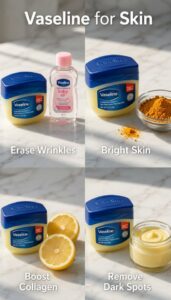
- 1 teaspoon petroleum jelly (Vaseline)
- 2-3 drops fresh lemon juice
How to Make It
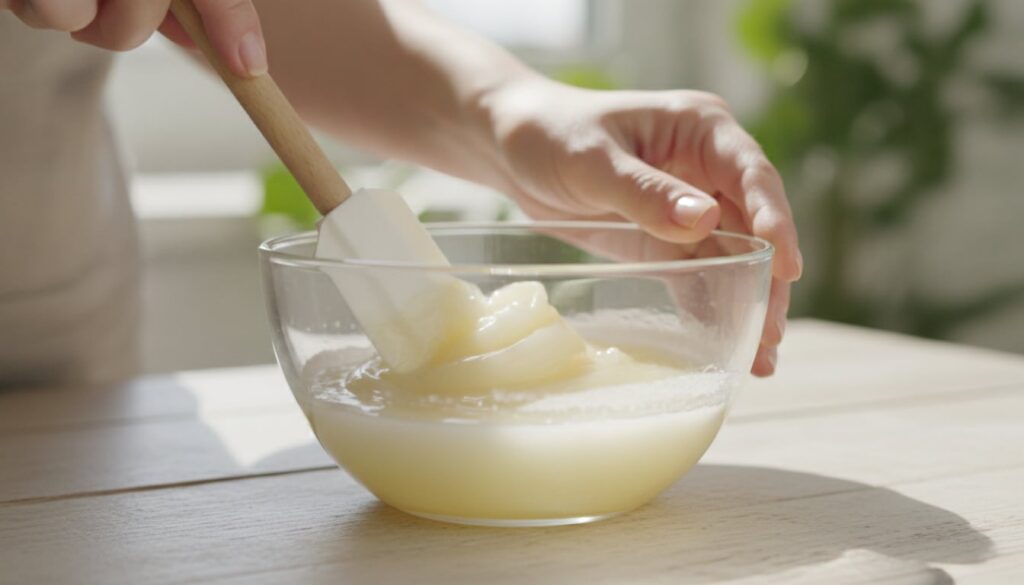
- In a small, clean, non-metallic bowl, place the teaspoon of Vaseline.
- Add 2-3 drops of fresh lemon juice to the Vaseline.
- Using a clean spatula or the back of a spoon, mix the two ingredients thoroughly until you achieve a smooth, consistent paste.
How to Use It
IMPORTANT: Due to the high risk associated with lemon juice on skin, we strongly advise against using this mask, especially on your face. If you still choose to proceed, extreme caution is necessary.
- Perform a Patch Test First: Before applying to a larger area, apply a tiny amount of the mixture to an inconspicuous area of your skin (e.g., behind your ear or on your inner forearm). Wait 24 hours to check for any redness, itching, burning, or irritation. If any reaction occurs, do NOT use the mask.
- Cleanse Your Skin: If the patch test is clear, gently cleanse your skin and pat it dry.
- Apply with Extreme Care: Using a clean cotton swab or your fingertips, very carefully apply a very thin layer of the mixture to a very small, specific area you wish to target (e.g., a small dark spot, NOT your entire face). Avoid the eye area, lips, and any broken or irritated skin.
- Limit Application Time: Leave the mask on for no more than 5-10 minutes.
- Rinse Thoroughly: Gently rinse your skin with lukewarm water to remove all traces of the mask. Pat dry with a soft towel.
- Moisturize & Protect: Apply a gentle, hydrating moisturizer. Critically, avoid direct sun exposure immediately after use and for several days. Always use broad-spectrum sunscreen with an SPF of 30 or higher when going outdoors, even on cloudy days.
How Often to Use It
Given the significant risks associated with lemon juice on the skin, it is best to avoid this remedy entirely. If you choose to use it despite warnings, do so very infrequently, no more than once every two weeks, and only after a successful patch test each time. Closely monitor your skin for any adverse reactions.

Why These Ingredients Are Used
Petroleum jelly (Vaseline)
Vaseline is an occlusive agent, meaning it forms a protective barrier on the skin’s surface. This barrier can help lock in moisture, potentially leaving the skin feeling softer and more hydrated. It’s often used to protect minor cuts and scrapes and prevent moisture loss, contributing to a smooth-looking texture.
Fresh lemon juice
Lemon juice is rich in Vitamin C and citric acid, a type of Alpha Hydroxy Acid (AHA). These components are traditionally associated with natural brightening and exfoliation. Vitamin C is also an antioxidant. However, these properties come with significant risks when applied directly to the skin.
What Results to Expect
You might notice a temporary softening effect on your skin due to the occlusive nature of Vaseline. Some users report a very mild, temporary brightening effect from the lemon juice due to its acidic properties, but this is often short-lived and comes with substantial risks. The desired