Have you ever wondered if you’re truly getting the most out of the healthy foods you eat? We often focus on what we eat, but sometimes, how we combine our ingredients can make all the difference in unlocking their full wellness potential.
Imagine a simple tweak to your meal prep that could dramatically increase the goodness your body absorbs. It’s not about magic, but about smart, synergistic food pairings!
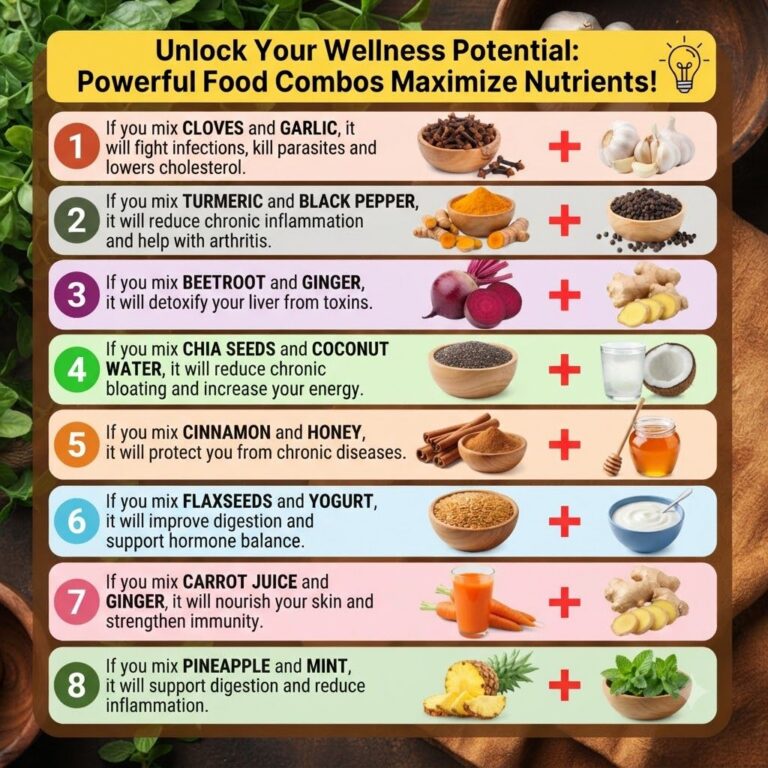
Why These Synergistic Food Combos Matter for Your Wellness
In our quest for better health, we’re constantly seeking ways to optimize our diet. Many people diligently choose nutrient-dense foods, yet they might be missing a crucial piece of the puzzle: bioavailability. This is the degree to which nutrients are absorbed and utilized by the body.
Common misconceptions might lead us to believe that eating a healthy food automatically means we absorb all its goodness. However, some nutrients require specific co-factors to be properly absorbed, while others can be hindered by certain compounds. Understanding these interactions can empower you to transform your plate into a powerful wellness tool.
If you’re someone who researches extensively, enjoys practical home remedies, and wants to improve vitality naturally, then learning about these clever food combinations is for you. It’s a simple, yet profound way to get more bang for your buck from your healthy eating habits, supporting everything from immune function to bone health and healthy aging.
The Science of Smart Pairings: Boosting Absorption Naturally
Let’s dive into some of the most impactful food combinations that demonstrate nature’s incredible synergy, helping you maximize nutrient absorption and amplify health benefits.
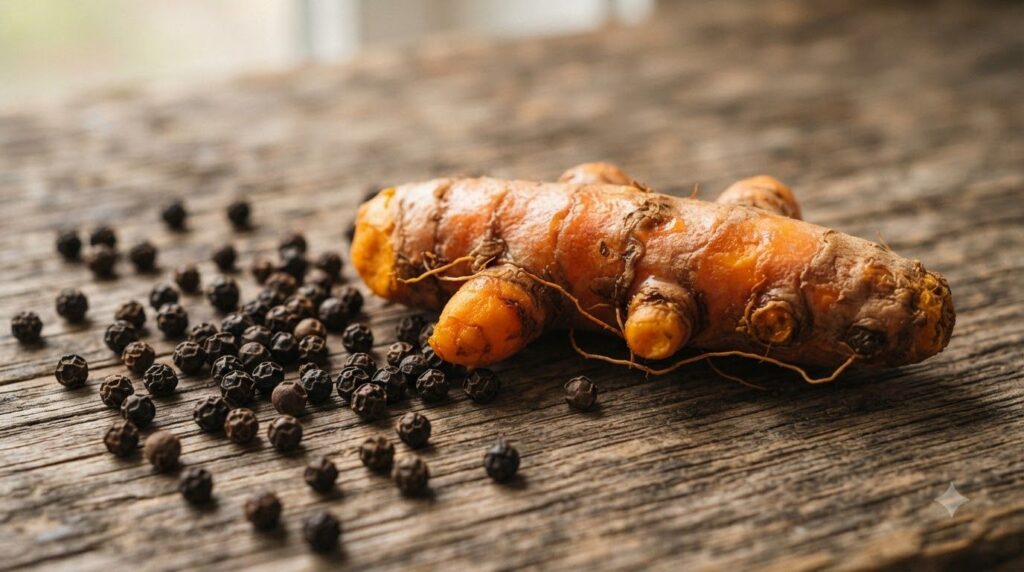
1. Turmeric & Black Pepper: The Anti-Inflammatory Power Couple
How it works: Turmeric contains a potent compound called curcumin, known for its powerful anti-inflammatory and antioxidant properties. However, curcumin has notoriously poor bioavailability, meaning it’s not well absorbed by the body on its own. Black pepper comes to the rescue with its active compound, piperine.
Traditional Use: Both spices have been staples in Ayurvedic medicine for centuries, prized for their medicinal qualities.
Modern Scientific Understanding: Studies suggest that piperine can enhance curcumin absorption by up to 2,000%! It does this by inhibiting metabolic enzymes that break down curcumin in the liver and gut, allowing more of it to enter the bloodstream.
Realistic Potential Benefits: May support a healthy inflammatory response, provide antioxidant protection, and promote joint health.
2. Iron & Vitamin C: A Dynamic Duo for Energy
How it works: Iron is a vital mineral crucial for oxygen transport in the blood and energy production. There are two main types: heme iron (found in animal products) and non-heme iron (found in plants). Non-heme iron is less easily absorbed, but Vitamin C acts as a powerful enhancer.
Traditional Use: Cultures worldwide have long combined iron-rich foods with fresh produce, though perhaps without knowing the exact scientific reason.
Modern Scientific Understanding: Vitamin C (ascorbic acid) helps convert non-heme iron into a more readily absorbable form in the digestive tract. It also counters the effects of compounds like phytates (found in grains and legumes) and oxalates (found in some greens) that can inhibit iron absorption.
Realistic Potential Benefits: May help prevent iron deficiency, boost energy levels, and support a healthy immune system.
3. Fat-Soluble Vitamins (A, D, E, K) & Healthy Fats: Essential Absorption
How it works: Vitamins A, D, E, and K are fat-soluble, meaning they require dietary fat for proper absorption. Without sufficient fat, these crucial vitamins simply pass through your system without being utilized.
Traditional Use: Many traditional diets naturally paired fat-soluble vitamin sources (like leafy greens, eggs, or liver) with healthy fats (like olive oil, butter, or nuts).
Modern Scientific Understanding: When you consume these vitamins with fat, they are dissolved into the fat molecules. These fat-soluble vitamins then travel through the small intestine, where they are absorbed along with the fats into the bloodstream and lymphatic system.
Realistic Potential Benefits: Supports vision (A), bone health (D, K), immune function (D), antioxidant protection (E), and blood clotting (K).
4. Calcium & Vitamin D: The Bone-Building Team
How it works: Calcium is renowned for its role in bone health, but it can’t do its job effectively without its partner, Vitamin D. Vitamin D is unique because our bodies can synthesize it when exposed to sunlight, but it’s also found in some foods.
Traditional Use: Cultures living in less sunny climates often relied on foods rich in Vitamin D (like fatty fish) to complement calcium-rich dairy or plants.
Modern Scientific Understanding: Vitamin D is essential for the absorption of calcium from the intestine into the bloodstream. Without adequate Vitamin D, calcium cannot be effectively utilized to build and maintain strong bones.
Realistic Potential Benefits: Crucial for strong bones and teeth, may support muscle function and nerve health.
5. Pineapple & Mint: A Refreshing Digestive Aid
How it works: Pineapple contains bromelain, a group of enzymes that help digest proteins. While not strictly about absorption of another nutrient, bromelain itself is better utilized, and it can indirectly support overall nutrient absorption by improving digestion. Mint, with its volatile oils, can soothe the digestive tract.
Traditional Use: Pineapple has long been used in tropical cultures as a digestive aid, particularly after heavy meals. Mint has been a go-to for stomach upset across many traditions.
Modern Scientific Understanding: Bromelain breaks down complex proteins into smaller peptides and amino acids, making them easier for the body to absorb. Mint can help relax digestive muscles and reduce bloating.
Realistic Potential Benefits: May aid digestion, reduce discomfort after meals, and provide a refreshing, anti-inflammatory boost.
Practical Guide: Incorporating These Combos Into Your Daily Life
Making these powerful pairings a part of your daily routine is easier than you think!
- Turmeric & Black Pepper: Always add a pinch of black pepper to your turmeric-based dishes like curries, golden milk lattes, or even scrambled eggs. A quarter teaspoon of pepper for every half teaspoon of turmeric is a good guideline.
- Iron & Vitamin C: Pair spinach salad with a citrus vinaigrette, enjoy lentils with a side of bell peppers, or add berries to your iron-fortified oatmeal. Drink orange juice with your fortified breakfast cereal.
- Fat-Soluble Vitamins & Healthy Fats: Drizzle olive oil over your kale salad (Vitamin K), sauté carrots (Vitamin A) in coconut oil, or have a handful of almonds with your Vitamin E-rich foods. Don’t fear healthy fats like avocado, nuts, seeds, and extra virgin olive oil!
- Calcium & Vitamin D: Choose Vitamin D-fortified dairy or plant milks to go with your calcium-rich foods. Spend some time in the sun (responsibly!) or consider a quality Vitamin D supplement, especially in winter months.
- Pineapple & Mint: Add fresh mint to your pineapple smoothies, make a simple pineapple and mint salsa for grilled fish, or enjoy a refreshing fruit salad with these two ingredients after a meal.
Beginner Tips:
- Start small: Choose one or two pairings to focus on each week.
- Be creative: Experiment with different recipes and find what you enjoy most.
- Think whole foods: These combinations are most effective when part of a balanced diet rich in whole, unprocessed foods.
Safety & Precautions: Important Considerations
While these food combinations are generally safe and beneficial, it’s always wise to be mindful of your individual health needs.
- Allergies: Always be aware of any food allergies or sensitivities you may have to individual ingredients.
- Existing Medical Conditions: If you have pre-existing medical conditions (e.g., iron overload disorders, kidney stones), or are taking medications, consult with a healthcare professional before making significant dietary changes.
- Pregnancy & Breastfeeding: Certain herbs or supplements might not be recommended during pregnancy or while breastfeeding. Stick to whole food combinations unless advised otherwise by your doctor.
- Interactions: High doses of certain isolated nutrients can interfere with medications or other nutrients. Focus on getting these combinations through whole foods rather than relying heavily on high-dose supplements, unless specifically recommended by a health professional.
Remember, a balanced and varied diet is key to overall wellness. These specific pairings are excellent enhancements, not replacements for a healthy eating pattern.
Key Takeaways: Maximize Your Nutrient Power
- Synergy is Key: Many nutrients work better together than alone.
- Turmeric & Black Pepper: Piperine boosts curcumin absorption by up to 2,000%.
- Iron & Vitamin C: Vitamin C significantly enhances non-heme iron absorption.
- Fat-Soluble Vitamins & Healthy Fats: Fats are essential for absorbing Vitamins A, D, E, and K.
- Calcium & Vitamin D: Vitamin D is crucial for calcium absorption and utilization.
- Pineapple & Mint: Bromelain aids digestion, while mint soothes the gut.
- Consult Professionals: If you have health concerns or are on medication, always talk to a healthcare provider.
FAQ: Your Questions Answered
Q1: Why are some nutrient combinations better than others for absorption?
A: Some nutrients act as co-factors, helping other nutrients change into a more absorbable form or protecting them from breakdown. Others rely on certain substances (like fats) to be carried into the body. It’s all about how these compounds interact on a molecular level during digestion and absorption.
Q2: Can I overdo these combinations and cause harm?
A: When consumed through whole foods as part of a balanced diet, it’s highly unlikely you’ll

