Unlock Wellness: Harnessing the Power of Coconut Oil, Cloves, and Turmeric
Have you ever wondered if the secret to enhanced well-being could be found in your kitchen cupboard? Many of us are seeking natural, simple ways to support our health, often turning to ingredients that have stood the test of time in traditional practices. What if three common items—coconut oil, cloves, and turmeric—could offer a surprising path to natural wellness?
Why This Matters: Exploring the Appeal of Natural Blends
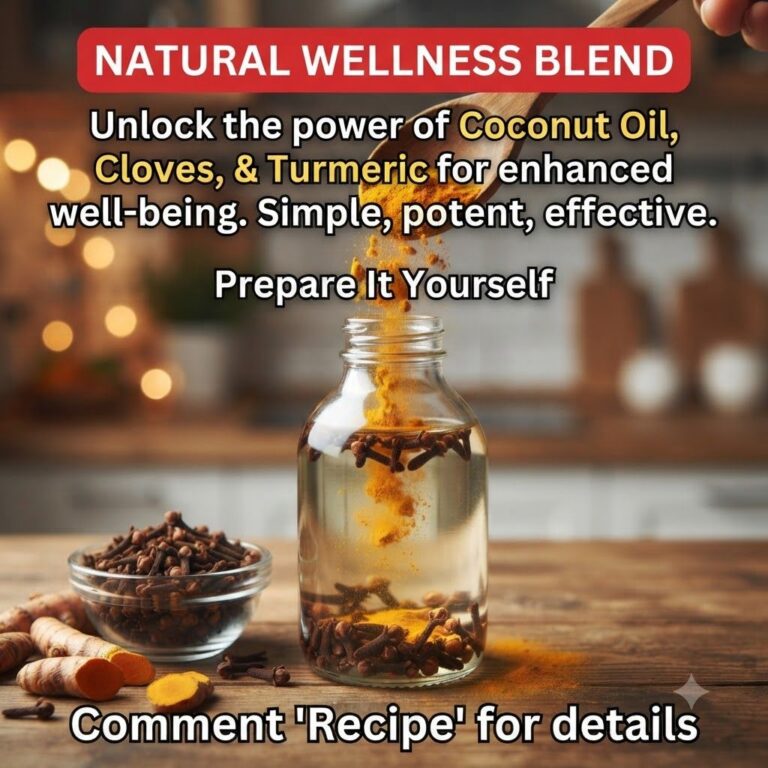
In a world full of complex health solutions, there’s a growing desire for simplicity and connection to nature. People are increasingly curious about natural remedies and DIY approaches that empower them to take an active role in their wellness journey. This particular blend of coconut oil, cloves, and turmeric has captured attention because each ingredient, individually, is celebrated for its unique properties. Together, they form a powerful trio that resonates with those looking to tap into traditional wisdom and modern understanding for holistic support.
Perhaps you’ve heard whispers of turmeric’s anti-inflammatory fame, or remember your grandmother’s advice about cloves for a toothache. Coconut oil, too, has seen a resurgence as a versatile staple. But what happens when these three humble powerhouses are combined? Many are intrigued by the potential for these everyday items to offer a synergistic boost to their well-being, from soothing discomfort to nourishing the skin.
The Wellness Trifecta: Understanding Each Ingredient
Let’s dive into the individual strengths of these incredible natural components and then explore how they might work together.
Coconut Oil: The Versatile Carrier
Coconut oil, a beloved staple in many cultures, is more than just a cooking fat. It’s rich in medium-chain triglycerides (MCTs), particularly lauric acid, which is celebrated for its unique properties. Traditionally, coconut oil has been used as a moisturizer for skin and hair, a base for herbal preparations, and a dietary addition for overall vitality.
- Traditional Use: Used topically for skin hydration, hair conditioning, and as a massage oil. Internally, it’s been a dietary fat for energy.
- Potential Benefits: Its moisturizing properties make it an excellent carrier oil for other ingredients. Lauric acid in coconut oil has been studied for its potential antimicrobial properties.
Cloves: The Aromatic Powerhouse
Those small, fragrant spice buds known as cloves are far more than just a flavor enhancer. They contain a potent compound called eugenol, which gives cloves their distinctive aroma and many of their traditional therapeutic qualities.
- Traditional Use: Historically used for pain relief, especially dental discomfort, and as a digestive aid.
- Potential Benefits: Cloves are a rich source of antioxidants. Eugenol is recognized for its potential anti-inflammatory and antiseptic properties, often explored in traditional medicine for soothing local discomfort.
Turmeric: The Golden Healer
Turmeric, the vibrant golden spice that gives curry its color, is perhaps the most famous of the trio for its wellness benefits. Its active compound, curcumin, has been the subject of extensive research, particularly regarding its anti-inflammatory and antioxidant effects.
- Traditional Use: A cornerstone of Ayurvedic and traditional Chinese medicine for centuries, used for digestive support, skin health, and to address various forms of inflammation.
- Potential Benefits: Curcumin is a powerful antioxidant that helps combat oxidative stress. It is also well-regarded for its potential to support a healthy inflammatory response in the body.
Practical Guide: Simple Ways to Incorporate the Blend
While this blend is not a magic cure, it can be a wonderful addition to your natural wellness routine. Here are some practical, beginner-friendly ideas, focusing primarily on topical applications for ease and safety.
Homemade Soothing Balm (Topical Use)
This is a popular way to harness the combined benefits for skin comfort.
- Ingredients: 2 tablespoons virgin coconut oil, ¼ teaspoon finely ground cloves (or ½ teaspoon clove powder), ½ teaspoon turmeric powder.
- Preparation: Gently melt the coconut oil in a small, heat-safe bowl placed over warm water (double boiler method) or in a microwave-safe dish for short bursts until just liquid.
- Combine: Stir in the ground cloves and turmeric powder thoroughly until a smooth paste forms.
- Cool and Store: Pour the mixture into a small, clean, airtight glass jar or tin. Let it cool completely at room temperature or in the refrigerator until it solidifies into a balm-like consistency.
- Usage: Apply a small amount to areas of skin that might benefit from soothing, such as dry patches, minor irritations (not open wounds), or for a comforting massage. Due to turmeric’s strong color, be mindful that it can temporarily stain skin and fabric. Test on a small patch of skin first.
- Storage: Store in a cool, dark place. This balm should last for several weeks.
Warming Massage Oil (Topical Use)
For a comforting massage experience.
- Ingredients: 3 tablespoons virgin coconut oil, ½ teaspoon finely ground cloves (or ¼ teaspoon clove essential oil, diluted), ½ teaspoon turmeric powder.
- Preparation: Follow the melting and combining steps as for the soothing balm. If using clove essential oil, add it *after* the coconut oil has slightly cooled but is still liquid, ensuring proper dilution.
- Usage: Use as a warming massage oil, particularly for muscles that feel stiff or tired. The clove offers a mild warming sensation, and turmeric contributes its soothing properties. Always do a patch test first.
Safety & Precautions: Important Considerations
While natural ingredients are wonderful, it’s crucial to approach them with respect and caution. Always prioritize your health and consult a professional when in doubt.
- Skin Sensitivity: Turmeric can temporarily stain skin yellow. Cloves, especially in higher concentrations or as essential oil, can be potent and may cause skin irritation in sensitive individuals. Always perform a patch test on a small area of skin before widespread application.
- Allergies: If you have known allergies to any of these ingredients or related spices, avoid this blend.
- Blood Thinners: Turmeric and cloves may have mild blood-thinning effects. If you are on blood-thinning medication or have a bleeding disorder, consult your doctor before using them, especially internally.
- Pregnancy & Breastfeeding: The safety of concentrated forms of turmeric and cloves (especially essential oils) during pregnancy and breastfeeding is not well-established. It’s best to consult a healthcare professional.
- Existing Medical Conditions: If you have a pre-existing medical condition, particularly issues with gallbladder, liver, or diabetes, or are taking any medications, please consult your doctor before using this blend, especially if considering internal use.
- Internal Use: This article focuses on topical applications for safety. If considering internal consumption beyond culinary amounts, it is vital to consult with a qualified healthcare provider.
Key Takeaways
- Coconut oil, cloves, and turmeric each offer unique wellness benefits rooted in traditional use and modern research.
- The blend may offer synergistic benefits for soothing skin, providing antioxidant support, and promoting a healthy inflammatory response.
- A DIY soothing balm or warming massage oil are practical ways to incorporate this blend topically.
- Always perform a patch test and be mindful of turmeric’s staining potential.
- Consult your healthcare provider, especially if pregnant, breastfeeding, on medication, or managing a health condition.
FAQ: Your Questions Answered
Q1: Can I ingest this blend?
A: While all three ingredients are commonly consumed in food, this specific blend, especially in concentrated forms or as a ‘remedy,’ is best discussed with a healthcare professional before internal use. This article focuses on safe topical applications.
Q2: How long does the DIY balm last?
A: When stored in a cool, dark, airtight container, the balm can typically last for several weeks. Look for any changes in smell or appearance as indicators of spoilage.
Q3: Will turmeric stain my skin permanently?
A: Turmeric can temporarily stain skin yellow, especially if you have lighter skin or apply a generous amount. The stain usually fades within a few hours or a day with regular washing. Using less turmeric or applying it thinly can help minimize staining.
Q4: Can I use clove essential oil instead of ground cloves?
A: Yes, you can use clove essential oil, but it is much more potent. Always dilute it properly in a carrier oil like coconut oil (typically 1-2 drops per teaspoon of carrier oil) and perform a patch test to avoid skin irritation.
Q5: Is this blend safe for children?
A: Due to the potency of cloves and turmeric, and potential skin sensitivities, it’s generally best to avoid using this blend on young children without professional medical advice.
Related Reading: Explore More Natural Wellness Topics
- The Healing Power of Spices: Beyond the Kitchen
- Embracing Anti-Inflammatory Foods for Daily Wellness
- Natural Skincare: Simple Ingredients for a Radiant Glow
- Boosting Your Immunity Naturally: Everyday Habits and Herbs
- Mindful Living: Simple Steps Towards a Healthier You