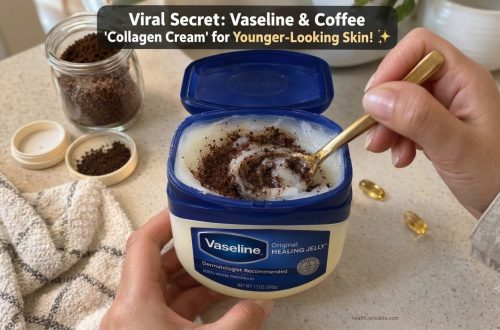
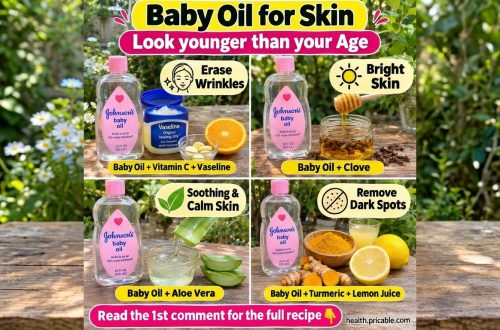
A trending DIY beauty hack suggesting a mix of Vaseline and lime for dark spots has gained significant attention online. While the promise of a quick, natural fix for hyperpigmentation is appealing, it’s crucial to understand the potential risks involved before attempting this viral remedy.
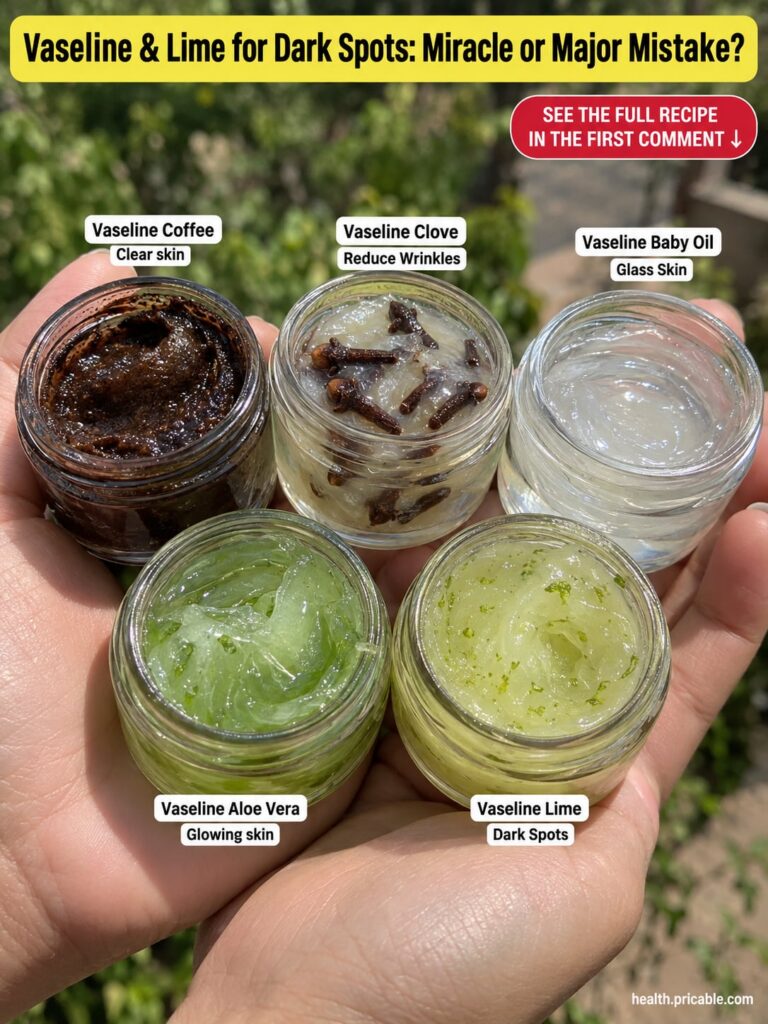
Quick Remedy Analysis: Proceed with Extreme Caution
Instead of a recipe, this section serves as a critical analysis of the widely circulated Vaseline and lime mixture for dark spots, strongly advising against its use due to significant safety concerns.
- Prep time: Not applicable (do not prepare)
- Best for: No skin condition (potentially harmful)
- Use type: Not recommended (avoid topical application)
- Main ingredients: Vaseline (petroleum jelly), Lime (citrus fruit)
Understanding the Purported Ingredients
Vaseline (Petroleum Jelly)
Vaseline is a petroleum-based product known for its occlusive properties, meaning it forms a protective barrier on the skin. It’s excellent for moisturizing dry skin, healing minor cuts, and preventing moisture loss. However, it does not possess ingredients that actively lighten dark spots.
Lime (Citrus Aurantifolia)
Lime juice is highly acidic and contains compounds like psoralens and furanocoumarins, which can cause photosensitivity. While some people believe its acidity can exfoliate or ‘bleach’ the skin, applying concentrated lime juice directly to the skin, especially in sunlight, can lead to severe irritation, chemical burns, and a condition called phytophotodermatitis, which can actually worsen hyperpigmentation.
The Purported Method and Why to Avoid It
The viral trend typically suggests mixing a small amount of Vaseline with a few drops of lime juice and applying it to dark spots.
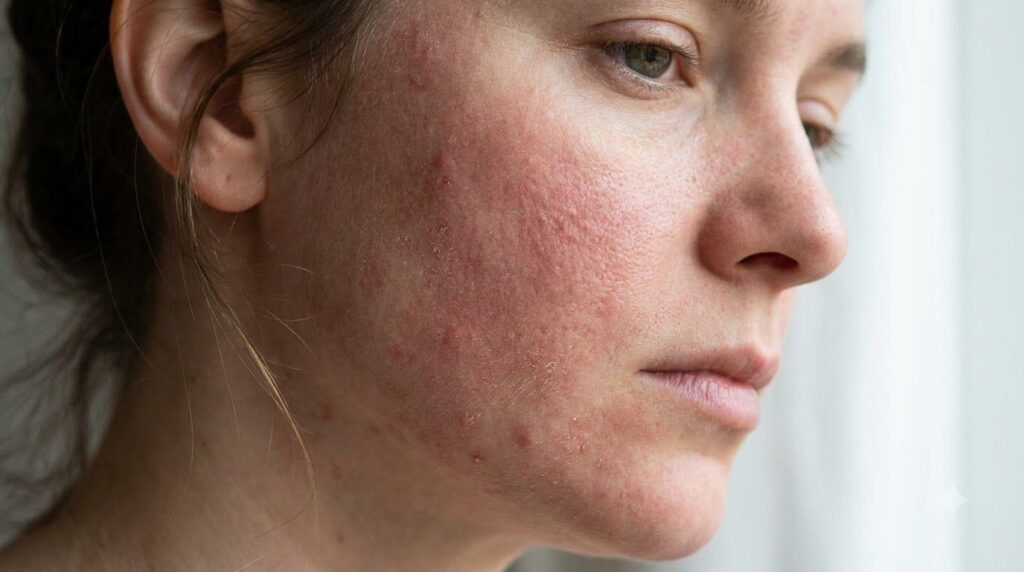
Why this is dangerous: Combining an occlusive like Vaseline with an irritant like lime juice can trap the acidic compounds against the skin, intensifying their harsh effects. This can lead to:
- Severe skin irritation and redness.
- Chemical burns, especially on sensitive facial skin.
- Post-inflammatory hyperpigmentation (PIH), which means new, darker spots appearing after the initial injury heals. This directly counters the desired effect of treating dark spots.
- Increased photosensitivity, making your skin more vulnerable to sun damage and further darkening of existing spots.
Why You Should NOT Use It
The risks associated with applying Vaseline and lime to your skin far outweigh any imagined benefits. There is no scientific basis or dermatological endorsement for this mixture as a safe or effective treatment for dark spots. Relying on unverified viral trends can cause significant and sometimes long-lasting damage to your skin.
How Often to Use It
This remedy should never be used on your skin. Its potential for harm is too great, and there are many safer, proven alternatives for addressing hyperpigmentation.
Why These Ingredients Are Mistakenly Used
Lime’s Misconceived “Brightening” Effect
The belief that lime can lighten dark spots stems from the misconception that its acidity acts as a beneficial exfoliant or bleach. While some acids can be used for exfoliation (like AHAs in controlled formulations), the high concentration of citric acid in raw lime juice is too harsh and unpredictable for direct skin application. Its photosensitizing compounds pose an additional significant risk.
Vaseline as a “Carrier” or “Protectant”
Vaseline is sometimes thought to help carry active ingredients or protect the skin. In this case, it might trap the harsh lime juice, exacerbating irritation rather than mitigating it. Vaseline itself has no active dark spot correcting properties.
What Results to Expect (The Reality)
Instead of a brighter, more even complexion, using Vaseline and lime on your skin will likely lead to adverse outcomes such as:
- Increased redness and irritation
- Painful chemical burns
- Worsening of existing dark spots
- Development of new, stubborn post-inflammatory hyperpigmentation
- Increased sensitivity to sunlight
For genuine improvement in the appearance of dark spots, look for products containing ingredients like vitamin C, niacinamide, alpha arbutin, kojic acid, azelaic acid, or retinoids, which are backed by scientific research and recommended by dermatologists.
Safety Notes
- Never apply raw lime juice or a lime/Vaseline mixture to your skin.
- Avoid direct sun exposure after using any citrus on your skin, even in diluted forms, as it increases photosensitivity.
- If you experience any skin irritation, redness, burning, or discomfort after trying a new product or DIY remedy, discontinue use immediately.
- Consult a dermatologist for safe and effective treatments for dark spots and hyperpigmentation.

FAQ
Is lime juice safe for skin brightening?
No, direct application of concentrated lime juice is generally not safe for skin brightening due to its high acidity and photosensitizing compounds, which can cause irritation, burns, and worsen hyperpigmentation.
What are safe ways to treat dark spots at home?
Safe home treatments involve over-the-counter products containing ingredients like Vitamin C, niacinamide, alpha arbutin, or licorice root extract. Always follow product instructions and use sunscreen daily.
Can Vaseline help with dark spots?
While Vaseline is excellent for moisturizing and creating a protective barrier, it does not contain active ingredients that treat or lighten dark spots directly. Its primary role is to seal in moisture and aid in skin healing.
Final Thoughts
The allure of a simple, natural remedy for dark spots can be strong, but it’s essential to prioritize your skin’s health and safety above viral trends. The Vaseline and lime mixture is a prime example of a DIY hack that carries significant risks, potentially leading to more harm than good. For effective and safe solutions to hyperpigmentation, consult with skincare professionals or opt for scientifically backed products. Your skin deserves gentle, informed care.