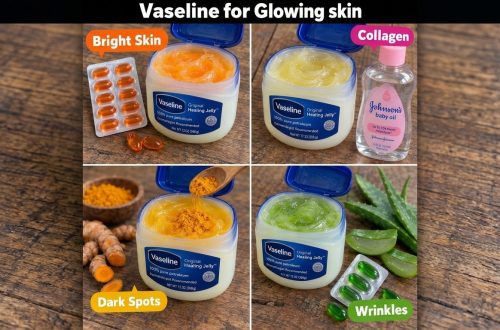
Most people immediately think of elderberry syrup when they consider this potent berry, but one small preparation mistake can ruin the whole batch, or even worse, make it unsafe. What if there was a simpler, more delightful way to harness the power of elderberries that’s perfect for a quick boost and easy to store? These homemade elderberry chews are your answer, offering a concentrated dose of goodness in a portable, palatable form.
This guide walks you through transforming fresh or dried elderberries into tasty, chewy treats, focusing on safety, ease, and effectiveness. Forget sticky syrups and elaborate tinctures – these chews are a game-changer for incorporating elderberries into your daily routine, especially for those looking for a child-friendly option.
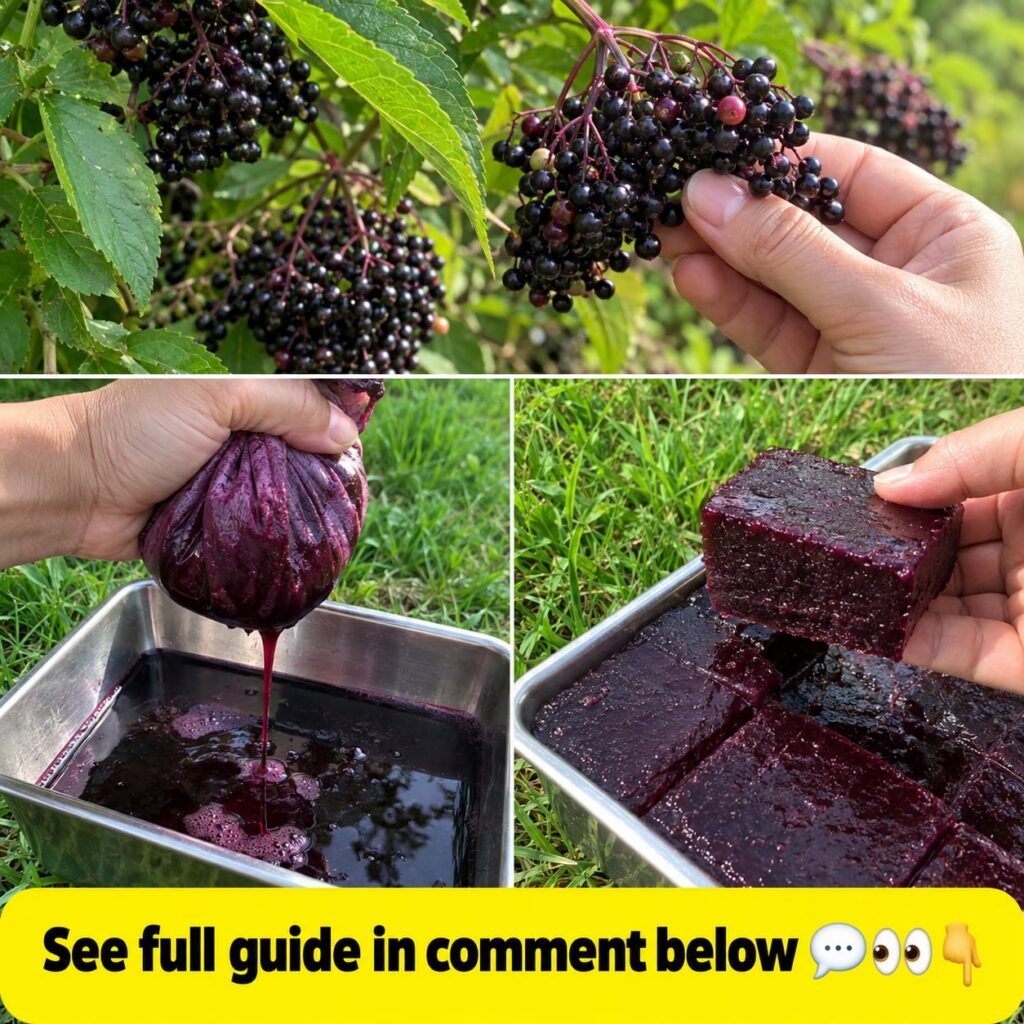 The journey from fresh elderberries to delicious, homemade chews.
What It Is: Elderberry Wellness Chews
Elderberry wellness chews are small, gelatinous or pectin-based treats made from concentrated elderberry juice, often sweetened and sometimes flavored. Unlike syrups, which are liquid, chews offer a solid, portion-controlled way to consume elderberry’s beneficial compounds. They’re particularly appealing for their convenience, portability, and pleasant texture, making them a popular choice for both adults and children.
The key ingredient, the elderberry (*Sambucus nigra*), is revered for its traditional use in supporting general wellness. However, it’s crucial to properly prepare elderberries, as raw berries and other plant parts contain compounds that can cause digestive upset. Cooking the berries thoroughly neutralizes these compounds, making them safe for consumption.
Ingredients You’ll Need
- Elderberries: Fresh or dried.
- Water: For extracting the juice.
- Sweetener: Raw honey, maple syrup, or agave nectar.
- Gelling Agent: Unflavored gelatin (for animal-based chews) or agar-agar powder (for vegan chews).
- Lemon Juice: Freshly squeezed, acts as a natural preservative and enhances flavor.
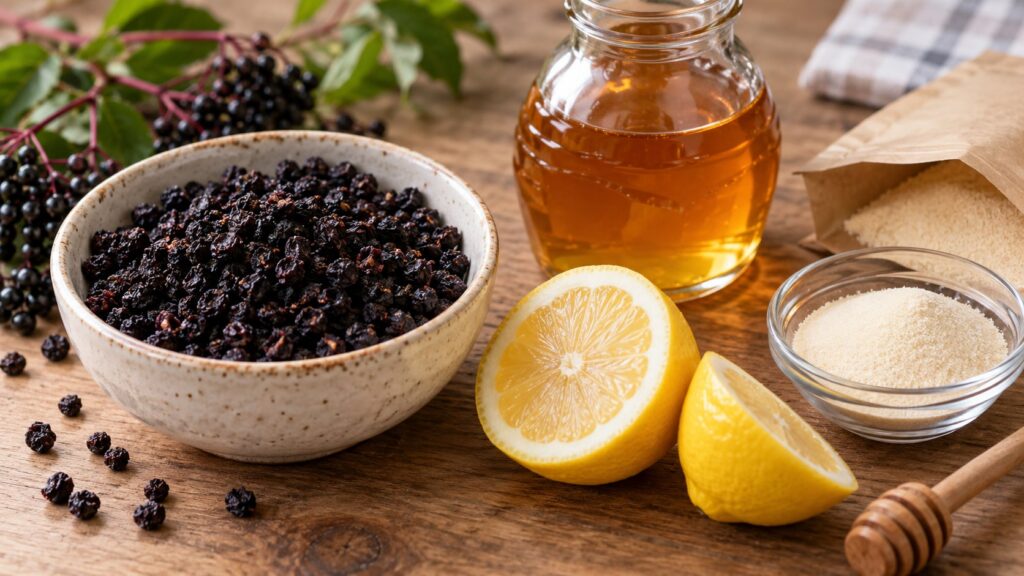 Gathering the essential ingredients for your elderberry chews.
Approximate Measurements
- 1 cup fresh elderberries OR 1/2 cup dried elderberries
- 2 cups water
- 1/4 to 1/2 cup sweetener (adjust to taste)
- 2 tablespoons unflavored gelatin powder OR 2 teaspoons agar-agar powder
- 1 tablespoon fresh lemon juice
Formula / Recipe: Elderberry Wellness Chews
This recipe creates a batch of approximately 20-30 small chews, depending on mold size. The goal is a firm, chewy texture that holds its shape at room temperature, but is best stored in the refrigerator.
Quick Tip: Fresh vs. Dried Elderberries
When choosing between fresh and dried elderberries, consider their availability and potency. Dried elderberries are concentrated and readily available year-round, while fresh berries offer a vibrant, seasonal flavor. The key is proper cooking for both.
FeatureFresh ElderberriesDried ElderberriesAvailabilitySeasonal (late summer/early fall)Year-roundPreparationRequires destemming and washingRequires washingYieldHigher volume for same weightConcentrated, less volume neededFlavorBrighter, more herbaceousDeeper, slightly more earthyStorageRefrigerate briefly, or freezeStore in airtight container in cool, dry place
Step-by-Step Method
- Prepare the Elderberry Juice:
- If using fresh elderberries, remove all stems thoroughly. Rinse both fresh or dried elderberries under cold water.
- Combine elderberries and water in a medium saucepan. Bring to a boil, then reduce heat and simmer for 15-20 minutes. The berries should be soft and burst open.
- Remove from heat and let cool slightly.
- Strain the Juice:
- Place a fine-mesh sieve or a cheesecloth-lined colander over a bowl. Pour the elderberry mixture into the sieve/colander.
- Press the berries with the back of a spoon to extract as much liquid as possible. For maximum extraction, gather the cheesecloth and squeeze the remaining pulp. Discard the pulp.
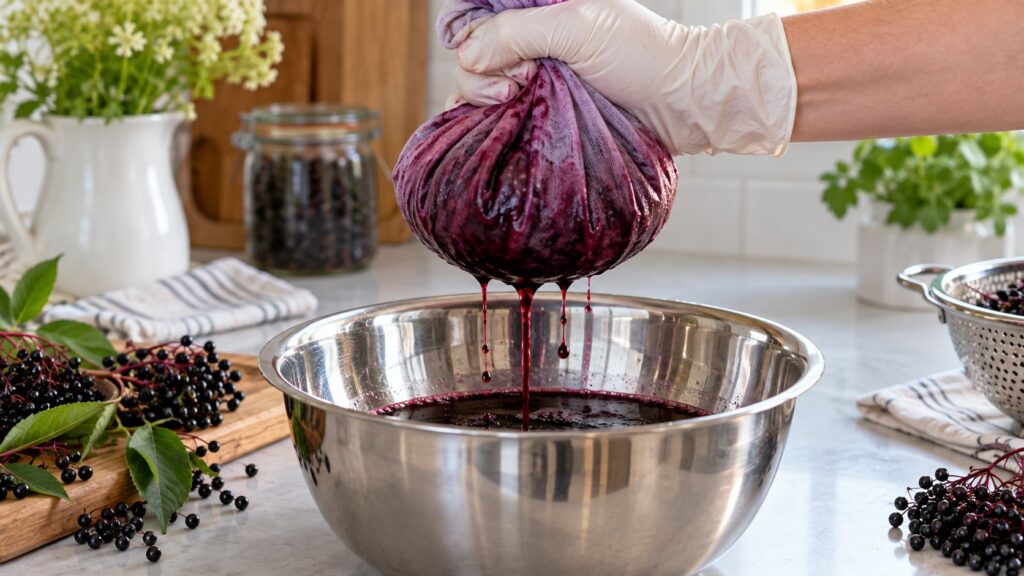 Extracting the precious elderberry juice for your chews.
- Combine and Thicken:
- Measure 1 cup of the strained elderberry juice. If you have less, add a little water to reach 1 cup.
- Pour the juice back into a clean saucepan.
- In a small bowl, whisk the gelling agent (gelatin or agar-agar) with 2 tablespoons of cold water until smooth. This prevents lumps.
- Add the gelling agent mixture to the elderberry juice in the saucepan. Whisk continuously over medium heat until the gelling agent is fully dissolved and the mixture begins to simmer gently. This usually takes 2-3 minutes.
- Stir in your chosen sweetener and lemon juice until fully combined. Taste and adjust sweetness if desired.
- Pour into Molds:
- Quickly pour the hot liquid into silicone molds of your desired shape (small squares, gummies, or even a shallow, parchment-lined dish that can be cut later).
- Work quickly as the mixture will start to set as it cools.
- Chill and Set:
- Transfer the molds to the refrigerator and chill for at least 2-4 hours, or until completely firm.
- Once set, pop the elderberry chews out of the molds.
How to Use
These elderberry chews are designed for easy consumption. Simply take one or two chews as needed. They are a delightful way to get a dose of elderberry without the need for spoons or measuring cups. They can be enjoyed directly or even dissolved in hot water for a quick tea (though they are best enjoyed as a chew).
How Often to Use
For general wellness support, most adults can take 1-2 chews daily. During times of increased need, some may opt for 2-3 chews a few times a day, but always listen to your body and consider the concentration of your homemade chews. For children, consult with a pediatrician, but generally 1 chew daily is a common guideline for age-appropriate dosages.
How to Buy / How to Choose Ingredients
When sourcing elderberries, look for organic dried elderberries from reputable herbal suppliers. If harvesting fresh, ensure you are identifying *Sambucus nigra* correctly and that the berries are ripe (dark purple/black) and free from green or red berries and stems. Avoid harvesting from areas prone to pollution or pesticide use.
For gelling agents, unflavored gelatin is widely available. If you prefer a vegan option, agar-agar powder (made from seaweed) works well, but note that it produces a slightly firmer, less ‘jiggly’ texture than gelatin.
Storage
Once formed, store your elderberry chews in an airtight container in the refrigerator. They can typically last for 2-3 weeks. If you made a large batch, you can freeze them for longer storage (up to 3 months) in a freezer-safe container, separating layers with parchment paper to prevent sticking.
Practical Tips
- Sweetness Adjustment: The amount of sweetener is flexible. Start with less and add more to taste after straining the juice, before adding the gelling agent.
- Mold Matters: Silicone molds are ideal as they make it incredibly easy to pop out the finished chews without breakage.
- Prevent Sticking: If your chews feel a bit sticky, you can lightly dust them with a tiny amount of arrowroot powder or cornstarch, though this is usually not necessary if they are stored cold.
Common Mistakes
- Not Cooking Elderberries Enough: Raw elderberries can cause digestive upset. Always ensure they are thoroughly cooked to neutralize toxic compounds.
- Not Straining Properly: Leaving too much pulp can make the chews grainy or unpalatable. Take the time to strain thoroughly.
- Incorrect Gelling Agent Ratio: Too little gelling agent will result in runny chews; too much will make them too firm or rubbery. Follow the measurements closely and adjust slightly if needed for desired texture.
- Improper Storage: Storing chews at room temperature can lead to spoilage or melting, especially if using gelatin. Refrigeration is key for longevity and safety.
Cautions / Who Should Avoid It
While elderberry is generally well-tolerated when properly prepared, there are some important considerations:
- Raw Elderberries: Never consume raw elderberries, leaves, stems, or roots. These parts contain cyanogenic glycosides that can cause nausea, vomiting, and diarrhea. Thorough cooking neutralizes these compounds.
- Pregnancy and Breastfeeding: Consult with a healthcare professional before using elderberry products if pregnant or breastfeeding.
- Autoimmune Conditions: Individuals with autoimmune diseases should speak to their doctor, as elderberry may stimulate the immune system.
- Medication Interactions: Elderberry may interact with immunosuppressants, diuretics, and laxatives. Discuss with your doctor if you are on any medications.
Quick Summary
- Best Preparation: Thoroughly cooked elderberry juice with a gelling agent (gelatin or agar-agar).
- Best Use-Case: Convenient, portable wellness support, especially for those who prefer chews over liquids.
- Storage: Airtight container in the refrigerator for 2-3 weeks; freeze for longer.
- When to Use: Daily for general wellness, or increased dosage during specific needs (after consulting a professional).
- What to Avoid: Raw elderberries and improper cooking.
FAQ
Can I use fresh or dried elderberries?
Yes, both fresh and dried elderberries can be used. Just ensure fresh berries are thoroughly destemmed and both are properly cooked.
How long do elderberry chews last?
When stored in an airtight container in the refrigerator, they typically last for 2-3 weeks. They can be frozen for up to 3 months.
Can I refrigerate them?
Yes, refrigeration is essential for preserving the chews and maintaining their texture, especially if using gelatin.
How often should I use them?
For adults, 1-2 chews daily is common, but always consider individual needs and consult a healthcare provider for specific guidance.
What part of the elderberry plant is best?
Only the fully ripe, dark purple/black berries (after cooking) and the flowers are considered safe for consumption. Avoid leaves, stems, roots, and unripe berries.
Can I make these chews vegan?
Absolutely! Simply substitute unflavored gelatin with agar-agar powder, adjusting the amount as per the recipe (typically less agar-agar is needed).
What if my chews are too sticky?
If your chews are a bit sticky, a light dusting of arrowroot powder or cornstarch can help, but proper refrigeration usually prevents this.
Conclusion
These homemade elderberry chews offer a wonderfully practical and enjoyable way to incorporate the goodness of elderberries into your daily life. By following simple steps and prioritizing safety through proper cooking, you can create a potent, portable, and delicious treat. Whether you’re looking for an immune-supportive snack or a convenient way to manage wellness, these chews are a fantastic addition to your natural remedy toolkit.