
Most people know ginger and lime for their zesty flavors or cold-soothing properties. But there’s a deeper, traditional lore that links this vibrant duo to women’s uterine health and overall well-being. For centuries, various cultures have turned to these natural ingredients, not just for taste, but for their supportive properties in traditional practices. This guide will walk you through how to prepare and use a simple ginger and lime blend, bringing ancient wisdom into your modern routine.
This isn’t about grand medical claims; it’s about understanding and respectfully utilizing ingredients that have been part of traditional wellness for generations. Let’s delve into a simple, practical way to incorporate this time-honored blend into your life.
What It Is: A Traditional Wellness Blend
At its core, the ginger and lime blend is a simple tonic or tea, primarily composed of fresh ginger root and fresh lime juice, often steeped in hot water. In traditional contexts, it has been valued for its potential to support general well-being, particularly concerning women’s uterine health. The combination is believed to offer comforting and balancing effects, often consumed during specific phases of a woman’s cycle or as a general wellness support.
Ingredients You’ll Need
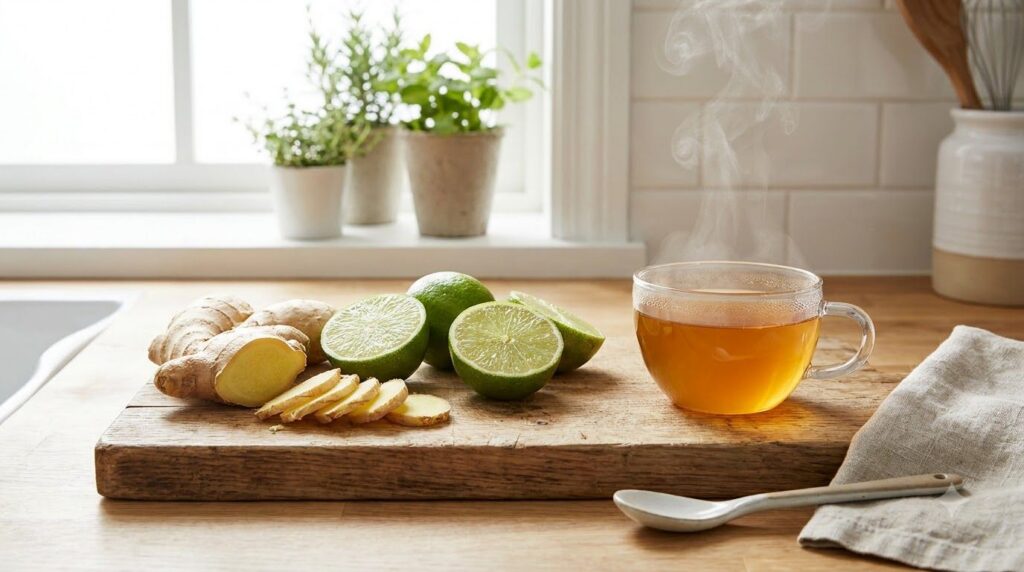
To make this traditional ginger and lime blend, you’ll need just a few straightforward ingredients:
- Fresh Ginger Root: Choose firm, smooth ginger roots without soft spots or mold. Organic is preferred if available.
- Fresh Limes: Look for firm, bright green limes that yield slightly to pressure. Avoid any that are discolored or overly hard.
- Water: Filtered water is always best for brewing teas and tonics.
- Optional: Honey or Maple Syrup: For a touch of sweetness, if desired.
Approximate Measurements for Your Blend
Getting the right balance is key to both taste and effectiveness in traditional remedies. Here are the measurements for a single serving:
- Ginger: 1-inch piece (approximately 15-20g)
- Lime: Juice of 1 medium lime (about 2 tablespoons)
- Water: 1 cup (240ml)
- Sweetener (Optional): 1-2 teaspoons, to taste
Formula / Recipe: Ginger & Lime Tonic
This recipe is designed to be simple and accessible, allowing you to prepare a fresh batch whenever you need it.
- Wash the ginger root thoroughly.
- Peel the ginger skin using a spoon or a vegetable peeler.
- Slice the ginger into thin rounds or grate it.
- Boil water in a small saucepan.
- Add the ginger to the boiling water, reduce heat, and simmer for 5-10 minutes.
- Remove from heat and let it steep for another 5 minutes.
- Strain the ginger pieces from the liquid.
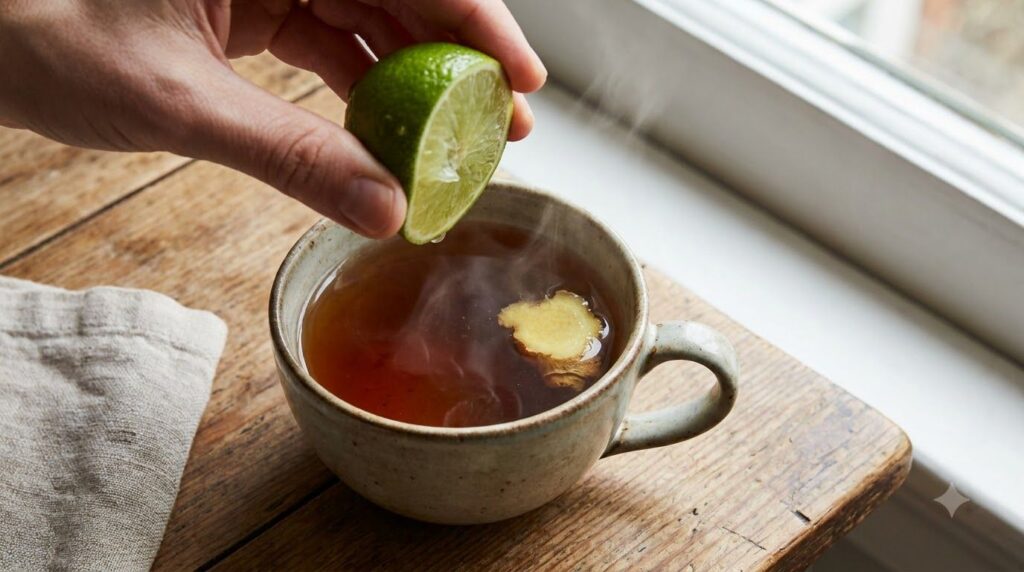
- Squeeze the fresh lime juice into the strained ginger tea.
- Add honey or maple syrup if desired, and stir until dissolved.
Step-by-Step Method
Precision in preparation can make a difference. Follow these steps carefully:
- Preparation: Begin by washing your hands and all ingredients. Use a clean cutting board and knife.
- Peeling Ginger: While some prefer not to peel, removing the skin can make the taste smoother. A spoon works well for scraping off the thin skin, especially around knots.
- Slicing/Grating: Thin slices allow for good flavor extraction. If you prefer a stronger brew, grating the ginger will release more compounds.
- Simmering: Don’t boil the ginger too aggressively or for too long, as this can break down some of its delicate compounds. A gentle simmer is ideal.
- Steeping: Allowing the ginger to steep off the heat ensures the flavors and beneficial compounds are fully infused into the water. Cover your mug or pot to prevent steam (and beneficial volatile oils) from escaping.
- Adding Lime: Always add lime juice after the tea has cooled slightly, or at least after it’s removed from direct heat. High heat can diminish the potency of vitamin C and other delicate compounds in lime.
Quick Tip: Fresh vs. Dried Ginger
While dried ginger powder is convenient, for this specific traditional blend, fresh ginger root is highly recommended. Fresh ginger offers a more potent and nuanced flavor profile, along with a broader spectrum of compounds that are traditionally valued. Dried ginger can be used in a pinch, but reduce the quantity by half and expect a different, often spicier, flavor.
How to Use Your Blend
This ginger and lime blend is typically consumed warm, like a comforting tea. It can also be cooled and consumed at room temperature, but the warmth is often part of its traditional appeal.
Drink it slowly, allowing yourself to relax and absorb its properties. Some traditions suggest consuming it on an empty stomach, but listen to your body and adjust as needed. For uterine wellness support, it’s often consumed during menstruation or as a general daily tonic.
How Often to Use
For general well-being support, one cup per day is a common recommendation. During specific times, such as menstruation, some might increase this to two cups daily. However, consistency is often valued more than high doses. Always observe how your body responds and adjust frequency accordingly. It’s generally not recommended for continuous, long-term daily use without breaks, particularly for potent herbal preparations.
How to Buy / How to Choose Ingredients
- Ginger: Look for firm, heavy roots with smooth, unwrinkled skin. Avoid any that are soft, shriveled, or show signs of mold. The stronger the aroma, the fresher it often is.
- Limes: Choose bright green, firm limes. A slightly soft feel indicates juiciness. Store them at room temperature for a few days or in the refrigerator for longer.
Storage
The fresh ginger and lime blend is best consumed immediately after preparation. If you have leftovers, you can store the strained liquid in an airtight container in the refrigerator for up to 24 hours. However, the flavor and potency may diminish over time. It’s not recommended to store it for longer than a day, and reheating should be gentle to preserve delicate compounds.
Practical Tips for Your Remedy
- Adjust Strength: If you find the ginger too strong, reduce the amount or simmer time. For a stronger brew, add more ginger or let it steep longer.
- Sweetener Choices: If using honey, opt for raw, local honey for additional traditional benefits.
- Lemon vs. Lime: While lime is traditionally specified, lemon can be a suitable substitute if limes are unavailable, though the flavor profile will differ slightly.
Common Mistakes to Avoid
- Boiling Lime Juice: Never boil lime juice. High heat destroys beneficial compounds, especially vitamin C. Always add it after the tea has cooled slightly.
- Using Old or Damaged Ingredients: Freshness matters. Old ginger loses its potency, and spoiled limes can introduce off-flavors.
- Over-sweetening: While a touch of honey is fine, too much can overpower the delicate flavors and traditional properties of the ginger and lime.
- Skipping Peeling: For some, unpeeled ginger can add a bitter note. Peeling often results in a smoother, more pleasant taste.
- Ignoring Your Body’s Signals: While traditional, this remedy might not suit everyone. Pay attention to how you feel and discontinue use if you experience discomfort.
Cautions / Who Should Avoid It
While ginger and lime are generally safe for most people in culinary amounts, concentrated preparations like this tonic warrant some caution:
- Pregnancy and Breastfeeding: Consult a healthcare provider before using, especially in larger than culinary amounts.
- Blood Thinners: Ginger can have mild blood-thinning effects. If you are on blood-thinning medication, consult your doctor.
- Acid Reflux/GERD: The acidity of lime and pungency of ginger can exacerbate symptoms for some individuals.
- Gallstones: Ginger may stimulate bile production. Consult a doctor if you have gallstones.
- Allergies: If you have a known allergy to ginger or citrus, avoid this blend.
Quick Summary for Busy Readers
This traditional ginger and lime blend is a simple tonic for women’s well-being. Prepare it by simmering fresh ginger in water, then straining and adding fresh lime juice. Consume warm, typically once a day or up to twice during menstruation, always observing your body’s response. Use fresh, quality ingredients and avoid boiling the lime juice. Store any leftovers in the fridge for no more than 24 hours. Be mindful of potential contraindications, especially if pregnant or on blood thinners.
Frequently Asked Questions (FAQ)
Q: Can I use dried ginger powder instead of fresh?
A: While fresh ginger is recommended for its flavor and traditional properties, you can use dried ginger powder in a pinch. Use about half the amount of fresh ginger (e.g., 1/2 teaspoon for a cup of water).
Q: How long does the ginger and lime tonic last?
A: It’s best consumed immediately. You can store the strained liquid in the refrigerator for up to 24 hours, but potency and flavor may decrease.
Q: Can I drink this blend cold?
A: Yes, you can. While traditionally consumed warm, it can be cooled and enjoyed at room temperature or chilled, especially on warmer days.
Q: Is it safe to drink every day?
A: For general wellness, one cup a day is often suggested. However, it’s wise to take breaks and consult a healthcare professional for long-term daily use, especially if you have underlying health conditions.
Q: Can men consume this blend?
A: Absolutely! While this article focuses on its traditional association with women’s uterine health, ginger and lime offer general wellness benefits that are not gender-specific.
Q: What if I don’t have fresh limes? Can I use bottled lime juice?
A: Fresh lime juice is highly preferred for its superior flavor and nutrient profile. Bottled lime juice may contain preservatives and lack the same freshness; use it only if fresh limes are truly unavailable.
Q: Can I add other herbs or spices?
A: To maintain the traditional focus of this specific blend, it’s best to stick to ginger and lime. However, for general wellness teas, other additions like a cinnamon stick or a pinch of turmeric could be considered.
Conclusion
The ginger and lime blend is a beautiful example of how simple, natural ingredients can be incorporated into traditional wellness practices. By understanding its preparation, usage, and considerations, you can respectfully embrace this time-honored remedy. Always approach natural remedies with an informed perspective, listen to your body, and consult healthcare professionals when needed.
You may also like: How to Make Turmeric & Ginger Wellness Shots
Read more: The Benefits of Herbal Teas for Digestion
