Have you ever wondered what gives salmon its vibrant pink hue or certain microalgae their striking reddish tint? The secret lies in astaxanthin, a powerful antioxidant that’s gaining significant attention in the world of health and wellness. Often called “nature’s most powerful antioxidant,” astaxanthin offers a myriad of potential benefits for our bodies.
In this article, we’ll dive deep into what astaxanthin is, why it’s so important for your health, and the best natural food sources where you can find this incredible compound. Prepare to discover how incorporating these vibrant foods into your diet can help boost your overall wellness and add a splash of healthy color to your plate!
What is Astaxanthin?
Astaxanthin is a naturally occurring carotenoid pigment, part of a larger family of phytonutrients known for their antioxidant properties. Unlike some other carotenoids that the body can convert into Vitamin A (like beta-carotene), astaxanthin does not convert to Vitamin A. This means it doesn’t carry the risk of Vitamin A toxicity, making it a unique and safe antioxidant.
Its distinctive red-orange color is what gives many marine animals and plants their characteristic hues. From the flesh of wild salmon to the shells of shrimp and lobsters, astaxanthin is a natural pigment that plays a crucial role in the ecosystem and, as research suggests, in human health.
Why is Astaxanthin Important for Your Health?
The primary reason astaxanthin is celebrated is its exceptional antioxidant power. Research suggests it may be significantly more potent than other well-known antioxidants like Vitamin C and Vitamin E. This powerful antioxidant activity helps combat oxidative stress, which is a key contributor to aging and various chronic diseases.
Key Potential Benefits:
- Skin Health: May help protect skin from UV damage, improve elasticity, and reduce the appearance of fine lines.
- Eye Health: Can support eye health by protecting against oxidative damage, potentially benefiting conditions like eye strain and age-related macular degeneration.
- Brain Health: Its ability to cross the blood-brain barrier may offer neuroprotective benefits, supporting cognitive function.
- Heart Health: Research suggests it may contribute to cardiovascular health by supporting healthy cholesterol levels and blood flow.
- Anti-Inflammatory Properties: May help reduce inflammation throughout the body, offering relief for various inflammatory conditions.
- Immune System Support: Can support a healthy immune response, helping your body defend against pathogens.
- Exercise Recovery: May assist in reducing muscle damage and inflammation after intense physical activity.
Top Natural Astaxanthin Sources
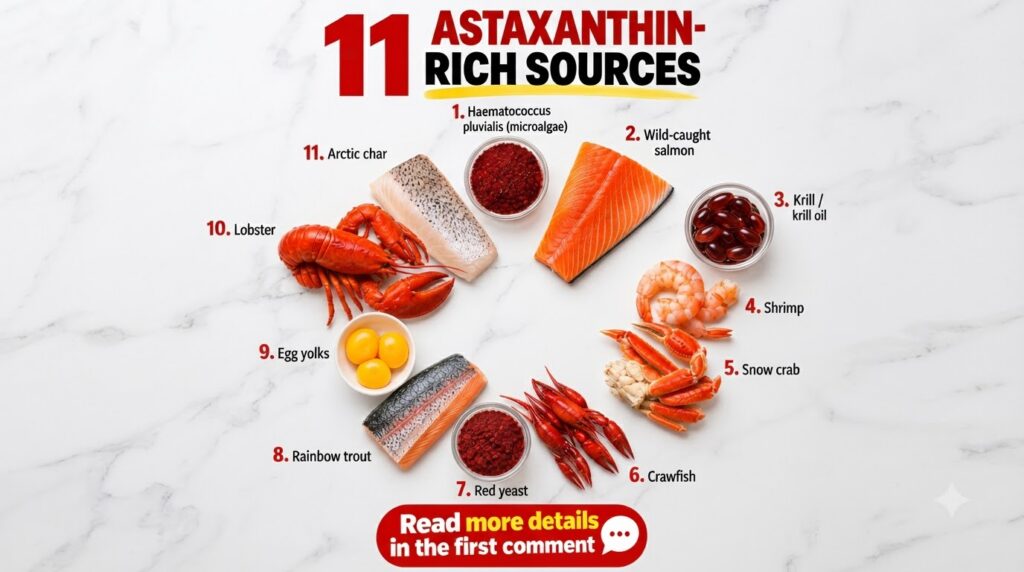
While often associated with supplements, astaxanthin is naturally abundant in several fascinating food sources. Here are some of the best ways to get this powerhouse antioxidant through your diet:
1. Wild Salmon
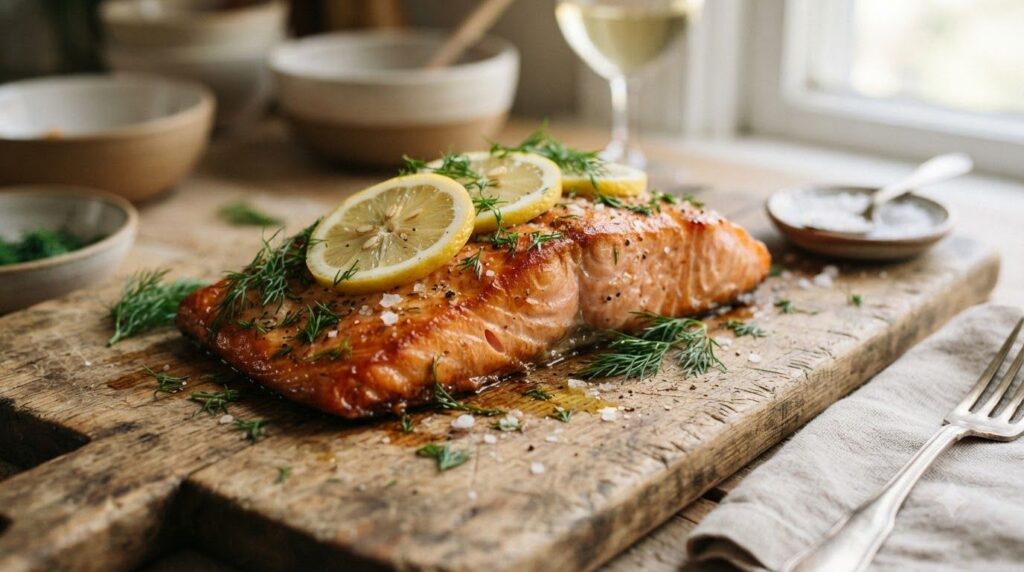
Undoubtedly the most famous source, wild-caught salmon (especially Sockeye salmon) is incredibly rich in astaxanthin. The astaxanthin comes from the microalgae and small crustaceans that salmon consume, which is then stored in their flesh, giving it its iconic pink-red color. Farmed salmon often have lower levels or are fed synthetic astaxanthin.
2. Arctic Char
Similar to salmon, arctic char is another cold-water fish known for its pink-orange flesh due to its astaxanthin content. It offers a milder flavor profile and is a fantastic alternative.
3. Lobster, Shrimp, and Crab
These delicious crustaceans are not only a treat but also contain astaxanthin. You can observe the pigment changing color from bluish-gray or green to vibrant red when they are cooked, a clear sign of astaxanthin at work.
4. Crawfish
Smaller relatives of lobsters, crawfish also get their reddish hue from astaxanthin, particularly concentrated in their shells and tail meat.
5. Krill Oil
Krill, tiny crustaceans found in the ocean, are a primary food source for many marine animals and are very rich in astaxanthin. Krill oil supplements are a concentrated form, offering both omega-3 fatty acids and astaxanthin.
6. Microalgae (Haematococcus pluvialis)
This freshwater microalga is actually the primary producer of astaxanthin in nature. When stressed by harsh conditions (like intense sunlight or lack of nutrients), it produces astaxanthin as a protective mechanism. This is where many commercial astaxanthin supplements derive their active ingredient.
7. Red Yeast Powder
Certain types of red yeast, like Phaffia rhodozyma, can also produce astaxanthin, though it’s less common as a direct food source and more often found in supplements or as an additive.
8. Egg Yolks (from astaxanthin-fed chickens)
While not a direct source, some chicken feed is supplemented with astaxanthin, which can then be deposited into the egg yolks. This can result in more vibrant, orange-hued yolks.
How to Incorporate Astaxanthin into Your Diet
Getting more astaxanthin into your meals is easier than you think! Focus on regularly including its natural food sources:
- Enjoy Seafood Regularly: Aim for 2-3 servings of wild-caught salmon, arctic char, shrimp, or lobster per week. Baking, grilling, or pan-searing are great ways to prepare them.
- Look for Wild-Caught: Whenever possible, choose wild-caught varieties of fish and shellfish, as they tend to have higher natural astaxanthin levels.
- Explore Supplements: If dietary intake is insufficient or you have specific health goals, astaxanthin supplements (derived from Haematococcus pluvialis or krill oil) can be an option. Always consult with a healthcare professional before starting new supplements.
- Vary Your Plate: Combine astaxanthin-rich foods with other nutrient-dense ingredients like colorful vegetables and healthy fats to maximize absorption and overall nutrition.
Practical Tips for Maximizing Astaxanthin Benefits
- Cook Gently: While astaxanthin is relatively stable, extreme high-heat cooking for prolonged periods might degrade some nutrients. Opt for baking, steaming, or light pan-frying.
- Pair with Healthy Fats: As a fat-soluble antioxidant, astaxanthin is best absorbed when consumed with dietary fats. Think salmon cooked with olive oil, or krill oil supplements taken with a meal.
- Prioritize Freshness: The fresher the seafood, the more likely its nutrient content will be intact.
FAQs About Astaxanthin
Q1: Is astaxanthin safe for everyone?
Astaxanthin is generally considered safe for most people when consumed through diet or in recommended supplement dosages. However, pregnant or breastfeeding individuals, or those with underlying health conditions, should consult a healthcare professional before taking supplements.
Q2: Can I get enough astaxanthin from plant-based sources?
Direct plant-based food sources of astaxanthin are limited. While microalgae like Haematococcus pluvialis are plant-based, they are typically consumed as supplements rather than whole foods. Some specialized egg yolks might offer it if chickens are fed astaxanthin, but traditional vegan diets would rely on supplements derived from algae.
Q3: Does cooking destroy astaxanthin?
Astaxanthin is relatively stable to heat, but prolonged exposure to very high temperatures may slightly reduce its potency. Gentle cooking methods like baking or steaming are preferred to preserve its benefits.
Q4: How long does it take to see benefits from astaxanthin?
The time it takes to observe benefits can vary based on individual health, dosage, and consistent intake. Some studies suggest noticing effects on skin health or exercise recovery within a few weeks to a couple of months.
Q5: Is wild salmon truly better than farmed for astaxanthin?
Yes, wild salmon typically consumes a natural diet rich in astaxanthin (from krill and microalgae), leading to higher and more natural concentrations in its flesh. Farmed salmon often has lower astaxanthin levels or is fed synthetic versions.
Q6: Can astaxanthin turn your skin orange?
While high doses of beta-carotene can turn skin orange, astaxanthin typically does not have this effect at common dietary or supplemental levels. Extremely high, prolonged doses might theoretically impart a subtle reddish tint in rare cases, but it’s not a common concern.
Conclusion
Astaxanthin is truly a powerhouse antioxidant, offering a wide array of potential health benefits from enhancing skin and eye health to supporting your heart and immune system. By embracing wild-caught seafood like salmon, arctic char, and various crustaceans, you can naturally increase your intake of this vibrant compound.
Remember, a healthy diet is all about balance and variety. Keep exploring new ways to nourish your body with nutrient-rich foods, and you’ll be well on your way to a healthier, more vibrant you! Share your favorite astaxanthin-rich foods in the comments below!
This content is for educational purposes only and should not be considered medical advice. Consult a qualified healthcare professional for personalized dietary recommendations.

