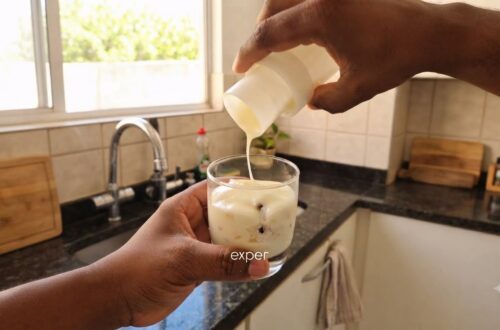
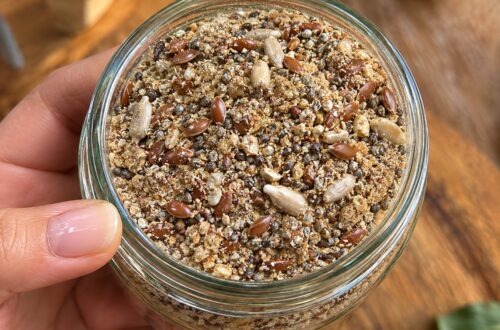
Most people admire plants for their vibrant flowers or luscious leaves, often overlooking the true powerhouses tucked away in their smallest parts. What if the most profound health benefits came from something you typically barely notice? Today, we’re uncovering the humble chia seed – a tiny nutritional marvel often overshadowed, yet brimming with potent advantages for your well-being.
What Are Chia Seeds and Why Are They a Hidden Gem?
Chia seeds, derived from the Salvia hispanica plant, might be small, but they carry a mighty nutritional punch. Originating from Central America, these seeds were a staple for ancient Aztec and Mayan civilizations, valued for their sustained energy and incredible endurance-boosting properties. They’re often called a ‘superfood’ for good reason, packing a remarkable profile of fiber, omega-3 fatty acids, protein, and various micronutrients into each tiny speck. Unlike other seeds, chia seeds can absorb up to 10-12 times their weight in liquid, forming a gel-like consistency that makes them incredibly versatile for culinary and remedial uses.
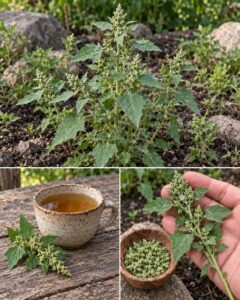
Your Simple Chia Seed Gel Remedy
One of the easiest and most effective ways to harness the power of chia seeds is by preparing a simple chia seed gel. This gel acts as a base for many recipes and remedies, making it easy to integrate into your daily routine.
Ingredients
- 2 tablespoons whole chia seeds
- 1 cup filtered water
- Optional additions: 1/2 squeezed lemon, 1 teaspoon raw honey, a pinch of cinnamon
Approximate Measurements
The 1:4 ratio of chia seeds to liquid is a good starting point for a thicker gel. If you prefer a thinner consistency for drinking, you can increase the water to 1.5 cups.
Formula / Recipe
The basic formula involves hydrating the seeds until they form a gelatinous substance. This process not only makes them easier to digest but also maximizes nutrient absorption.
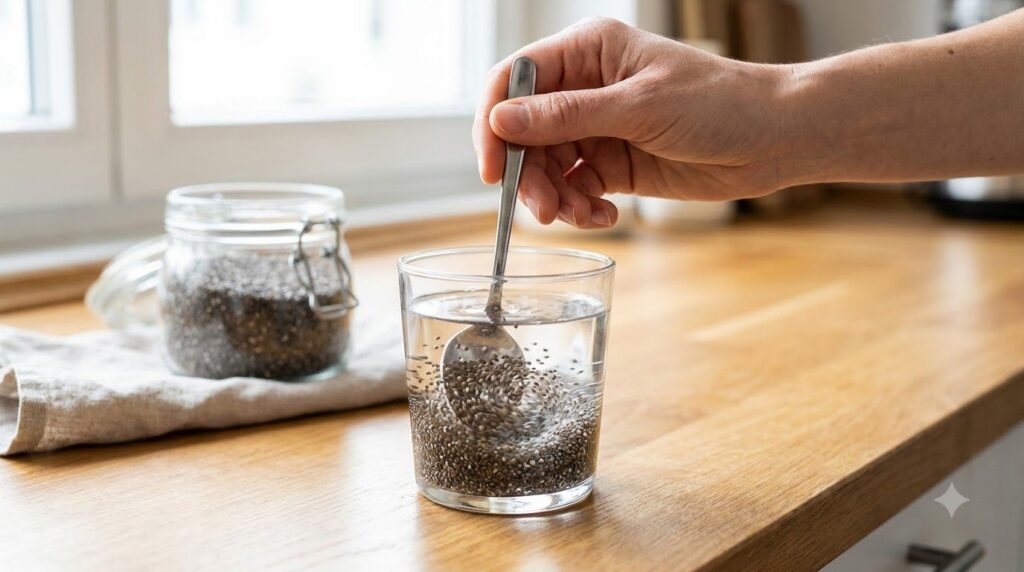
- Combine: In a jar or a glass container, add the chia seeds and water.
- Stir Well: Immediately after combining, stir vigorously for about 30 seconds to prevent the seeds from clumping at the bottom. This initial stir is crucial.
- Rest: Let the mixture sit for 5 minutes.
- Stir Again: Stir thoroughly once more to break up any remaining clumps and ensure even hydration.
- Refrigerate: Cover the container and refrigerate for at least 2 hours, or ideally overnight, until a thick gel forms.
- Add Options: Once the gel has formed, you can stir in optional ingredients like lemon juice, honey, or cinnamon for added flavor and benefits.
How to Use Your Chia Seed Gel
This versatile gel can be incorporated into almost anything:
- Smoothie Booster: Add 1-2 tablespoons to your morning smoothie for extra fiber and omega-3s.
- Oatmeal or Yogurt Topping: Stir into your breakfast bowl for added texture and nutrients.
- Pudding Base: Mix with milk (dairy or non-dairy), a sweetener, and fruit for a delicious and healthy pudding.
- Egg Substitute: For baking, 1 tablespoon of chia seeds mixed with 3 tablespoons of water (let it sit for 5 minutes) can replace one egg.
- Thickener: Use it to thicken soups, gravies, or sauces naturally.
How Often to Use
Start with 1-2 tablespoons of whole chia seeds (or about 2-4 tablespoons of the prepared gel) per day. You can gradually increase this amount as your body adjusts, but generally, 20-30 grams (about 2-3 tablespoons) of whole chia seeds per day is sufficient for most adults to reap the benefits. Consistency is key for long-term benefits.
Quick Tip: Hydration Matters
When increasing your chia seed intake, ensure you also increase your water intake. Their high fiber content needs plenty of fluid to move smoothly through your digestive system and prevent discomfort.
How to Buy and Choose Your Chia Seeds
When purchasing chia seeds, look for:
- Whole Seeds: Whole seeds maintain their nutrient integrity longer.
- Organic: Choose organic varieties to avoid pesticides and other chemicals.
- Reputable Brands: Buy from trusted sources that offer high-quality, pure chia seeds.
- Color: Both black and white chia seeds offer similar nutritional profiles, so either is fine. Avoid reddish seeds, as they may be immature.
Storage for Freshness and Potency
- Whole Chia Seeds: Store in an airtight container in a cool, dark, and dry place (like a pantry) for up to 2 years. Refrigeration can extend their shelf life, especially in humid climates.
- Chia Seed Gel: Keep your prepared chia seed gel in a sealed container in the refrigerator for up to 5-7 days.
Practical Tips for Enhanced Enjoyment
- Flavor Infusion: Add fruit slices (lemon, orange), mint leaves, or ginger to your water when preparing the gel for infused flavors.
- Blend It Smooth: For those who don’t enjoy the tapioca-like texture of the gel, blend the finished gel into smoothies until completely smooth.
- Spice It Up: A dash of vanilla extract, cocoa powder, or pumpkin spice can transform plain chia gel into a delicious treat.
Whole vs. Ground Chia Seeds
While whole chia seeds are common, ground chia seeds offer some different benefits and considerations:
| Feature | Whole Chia Seeds | Ground Chia Seeds (Chia Flour) |
|---|---|---|
| Texture | Gel-like when hydrated, slight crunch | Smooth, flour-like |
| Digestion | Passes largely intact, slower release | Easier to digest for some, faster nutrient absorption |
| Usage | Puddings, drinks, thickener | Baking (flour substitute), smoothies for smoothness |
| Storage | Longer shelf life (2 years) | Shorter shelf life (oxidizes faster), best refrigerated |
| Key Benefit | High fiber, sustained energy | Potentially higher omega-3 absorption for some |
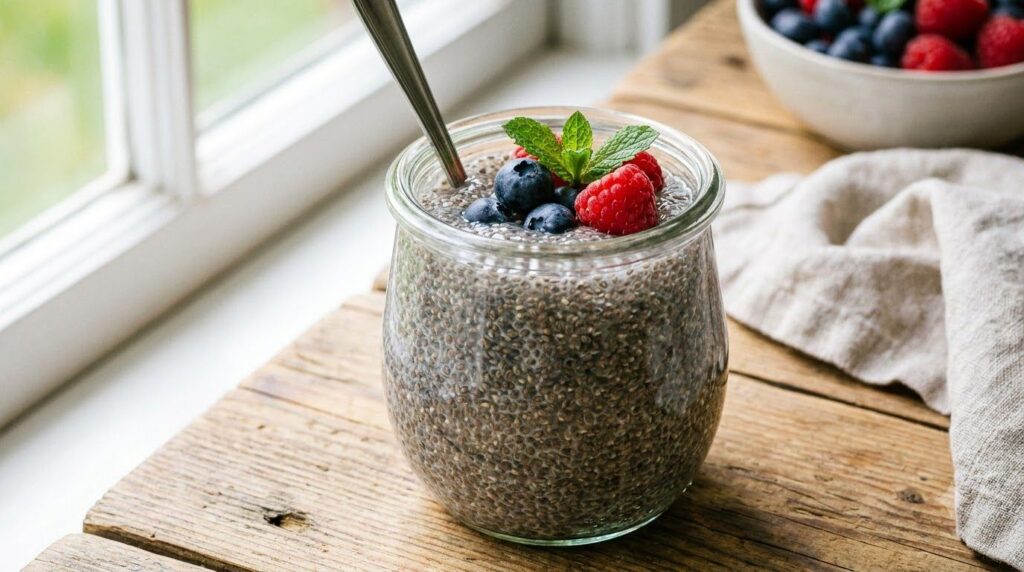
Common Mistakes to Avoid
- Not Soaking Properly: Eating dry chia seeds can lead to choking or digestive upset as they absorb liquid in your esophagus or stomach. Always hydrate them!
- Ignoring Freshness: While stable, old chia seeds can go rancid, especially if ground. Check the smell and taste before using.
- Too Much, Too Soon: Introducing a large amount of fiber suddenly can cause bloating, gas, or constipation. Start small and gradually increase.
- Skipping the Stir: Failure to stir thoroughly in the initial stages will result in clumps of dry seeds, leading to uneven gel formation.
Cautions / Who Should Avoid It
While generally safe, some individuals should exercise caution:
- Swallowing Issues: People with dysphagia or difficulty swallowing should consume chia seeds only after they are fully hydrated and form a gel, or as ground flour, to prevent choking.
- Digestive Sensitivity: Individuals prone to bloating or gas might experience discomfort due to the high fiber content. Start with very small amounts.
- Medication Interactions: Chia seeds may slightly lower blood pressure and thin the blood. If you are on blood thinners or blood pressure medication, consult your doctor.
- Allergies: Though rare, some people may be allergic to chia seeds, experiencing symptoms like rash, diarrhea, or vomiting.
Quick Summary: Your Chia Seed Cheat Sheet
- Best Preparation: Fully hydrated chia seed gel.
- Best Use-Case: Boost smoothies, oatmeal, puddings, or use as a natural thickener.
- Storage: Whole seeds in an airtight container in a cool, dark place (up to 2 years). Gel in the fridge (up to 7 days).
- When to Use: Daily for consistent fiber, omega-3s, and nutrients.
- What to Avoid: Eating dry seeds, consuming too much too fast, ignoring rancidity.
Frequently Asked Questions
- Can I use fresh or dried chia seeds?
Chia seeds are typically sold and used in their dried form. ‘Fresh’ usually refers to newly purchased dried seeds, which are preferred for their higher potency.
- How long does chia seed gel last in the refrigerator?
Properly stored in an airtight container, chia seed gel can last for 5-7 days in the refrigerator.
- Can I put chia seeds in hot drinks or food?
Yes, you can add chia seeds to hot drinks or food, but they still need liquid to absorb. Adding them to hot oatmeal, for instance, works well. However, very high heat over extended periods might slightly reduce some heat-sensitive nutrients like omega-3s.
- What part of the chia plant is best for remedies?
The seeds themselves are the primary part used for their nutritional and remedial benefits.
- When is the best time of day to consume chia seeds?
There’s no single ‘best’ time. Many prefer them in the morning for sustained energy and satiety, while others enjoy them in the evening for a healthy, fiber-rich snack that aids digestion.
- Is organic chia seed necessary?
While not strictly ‘necessary,’ organic chia seeds are recommended to avoid potential pesticide residues and ensure a higher quality product.
- Can I reuse the liquid from soaked chia seeds?
Once the seeds have fully absorbed the liquid to form a gel, there isn’t much ‘liquid’ left to reuse. The gel itself is the remedy.
- When should I avoid chia seeds?
Avoid if you have a known allergy, difficulty swallowing un-hydrated seeds, or are on blood pressure/blood thinning medications without consulting a doctor.
Unlock Your Wellness Potential with Chia Seeds
The tiny chia seed proves that some of nature’s greatest gifts come in the smallest packages. By understanding their preparation, usage, and storage, you can easily integrate this ancient powerhouse into your modern routine. It’s a simple, versatile, and effective way to boost your daily nutrition and support your overall well-being. Don’t let their size deceive you; these hidden treasures are ready to revolutionize your health.
You may also like: Read more about other amazing seed remedies
Related remedy: Discover the benefits of flaxseed oil