Omega-3 fatty acids are essential nutrients that play a fundamental role in maintaining overall health, from supporting brain function to reducing inflammation. However, not all omega-3s are created equal, and understanding the crucial differences between plant-based ALA and marine-derived EPA and DHA is vital for making the most informed dietary choices.
Many people assume all omega-3s provide the same benefits, but their chemical structures and how our bodies utilize them vary significantly. This distinction can profoundly impact your health, especially when considering dietary needs or supplementation. Let’s delve into what makes these omega-3 types unique and why their sources matter.
What Are Omega-3 Fatty Acids?
Omega-3s are a family of polyunsaturated fatty acids that are critical for several bodily functions but cannot be produced by the body itself. This means they must be obtained through diet or supplements, making them ‘essential’ nutrients. The three main types of omega-3s are:
- Alpha-Linolenic Acid (ALA): Primarily found in plant sources.
- Eicosapentaenoic Acid (EPA): Primarily found in marine sources like fatty fish.
- Docosahexaenoic Acid (DHA): Also primarily found in marine sources like fatty fish and algae.
While all three are important, their roles and bioavailability in the body differ considerably, making it essential to distinguish between them.
ALA: The Plant-Based Omega-3
Alpha-Linolenic Acid (ALA) is the most common omega-3 fatty acid in the Western diet and is predominantly found in plant foods. It is considered the ‘parent’ omega-3, from which the body can potentially synthesize EPA and DHA.
Key Sources of ALA:
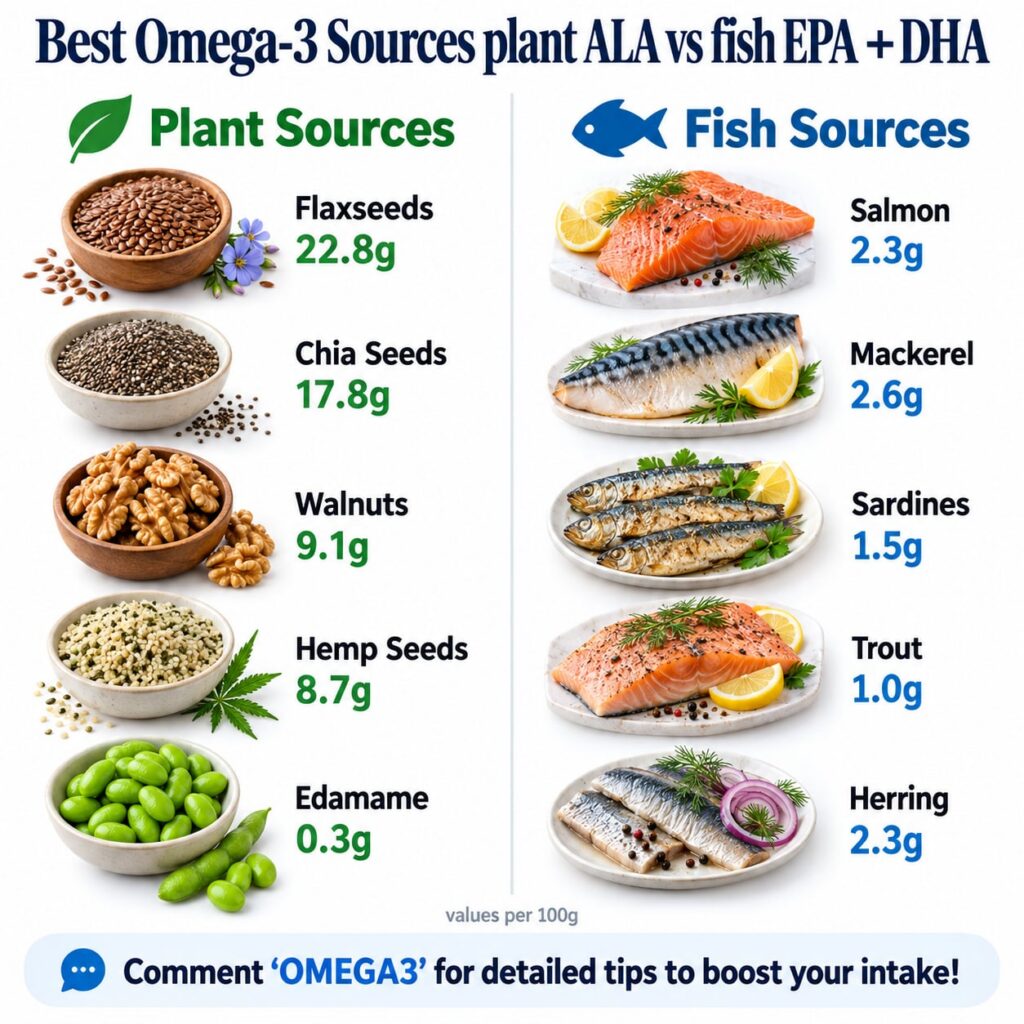
- Flaxseeds and flaxseed oil
- Chia seeds
- Walnuts
- Hemp seeds
- Soybeans and soybean oil
- Canola oil
ALA is essential for health, contributing to normal growth and development, and supporting cardiovascular health. However, its primary role in the body is often as a precursor for EPA and DHA.
EPA and DHA: The Marine Powerhouses
Eicosapentaenoic Acid (EPA) and Docosahexaenoic Acid (DHA) are often referred to as the ‘long-chain’ omega-3s and are the forms most directly utilized by the human body for their wide-ranging health benefits. They are abundant in fatty fish and algae.
Key Sources of EPA & DHA:
- Fatty fish: Salmon, mackerel, tuna, sardines, herring
- Fish oil supplements
- Algae and algal oil (a direct vegan source of DHA and sometimes EPA)
- Fortified foods (e.g., eggs, milk, yogurt)
EPA and DHA are crucial for brain development and function, vision, and cardiovascular health. They are also well-known for their potent anti-inflammatory properties, which may help manage various chronic conditions.
The Conversion Challenge: ALA to EPA/DHA
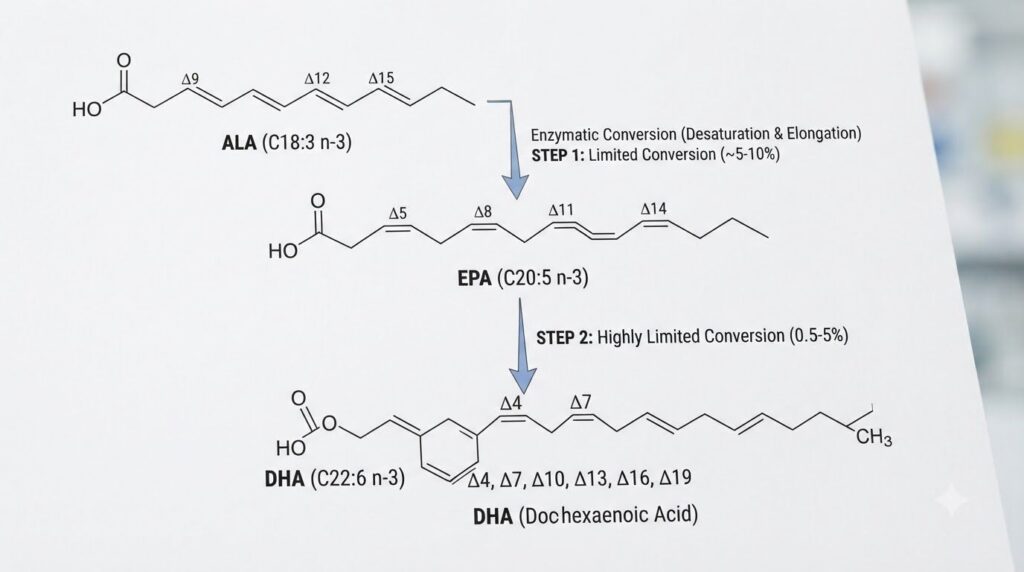
While ALA is essential, the human body’s ability to convert ALA into the more active forms, EPA and DHA, is quite limited. The conversion rate is generally low, especially for DHA. Factors that can influence this conversion include:
- Genetics: Individual genetic variations can affect enzyme activity.
- Diet: A diet high in omega-6 fatty acids can compete with omega-3s for the same enzymes, reducing conversion efficiency.
- Gender: Women of reproductive age tend to have slightly higher conversion rates than men, potentially due to estrogen.
- Nutrient status: Deficiencies in certain nutrients like zinc, magnesium, and B vitamins can impair conversion.
For most adults, only about 5-10% of ALA is converted to EPA, and an even smaller percentage (less than 1%) to DHA. This low conversion efficiency means that relying solely on ALA-rich plant foods might not provide sufficient levels of EPA and DHA for optimal health benefits, particularly for specific populations like pregnant women, infants, and individuals with certain health conditions.
Why the Distinction Matters for Your Health
The differences between ALA, EPA, and DHA have significant implications for your health and dietary planning:
- Direct Benefits vs. Precursor: EPA and DHA provide direct and immediate health benefits for brain, heart, and eye health due to their direct incorporation into cell membranes. ALA, while beneficial, must first undergo the inefficient conversion process.
- Inflammation Management: EPA is particularly noted for its powerful anti-inflammatory effects. While ALA has some anti-inflammatory properties, the direct action of EPA is often more pronounced.
- Brain and Eye Health: DHA is a major structural component of the brain and retina. It is critical for cognitive function, memory, and visual acuity throughout life.
- Cardiovascular Protection: Both EPA and DHA contribute to heart health by supporting healthy blood pressure, triglyceride levels, and arterial function.
- Vegetarian and Vegan Diets: Individuals following plant-based diets need to be particularly mindful of their EPA and DHA intake. While ALA is readily available, direct sources of EPA and DHA (like algal oil) or careful consideration of ALA intake are crucial to ensure adequate levels.
Making Informed Omega-3 Choices
To ensure you’re getting adequate omega-3s for your health goals, consider the following:
- Prioritize EPA and DHA: If consuming fish, aim for 2-3 servings of fatty fish per week. For vegetarians, vegans, or those who dislike fish, consider an algal oil supplement to directly provide EPA and DHA.
- Include ALA-Rich Foods: Even with direct EPA/DHA intake, incorporating ALA-rich foods like flaxseeds, chia seeds, and walnuts into your daily diet is beneficial for overall nutrient intake and some conversion.
- Balance Omega-6: Reduce excessive intake of omega-6 fatty acids (found in many processed foods and certain vegetable oils like corn and sunflower oil) to improve the efficiency of ALA conversion.
- Consider Supplements: Fish oil or algal oil supplements can be a convenient way to ensure consistent intake of EPA and DHA, especially if dietary sources are limited. Consult a healthcare professional to determine appropriate dosages.
Final Thoughts
Understanding the distinct roles of plant-based ALA and marine-derived EPA and DHA empowers you to make smarter choices for your well-being. While ALA is essential, EPA and DHA are the forms our bodies use most effectively for critical functions like brain health, heart health, and managing inflammation. By ensuring adequate intake of all omega-3 types, particularly EPA and DHA, you can truly harness the full spectrum of benefits these incredible fatty acids offer.