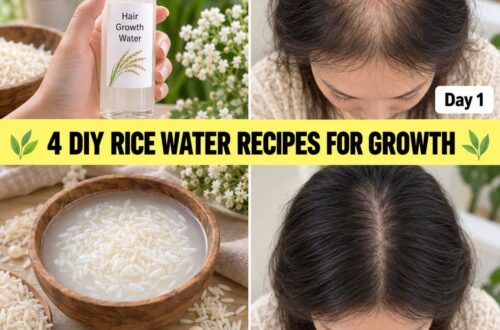
Unlock Fuller, Healthier Hair: The Truth About Rice Water for Growth!
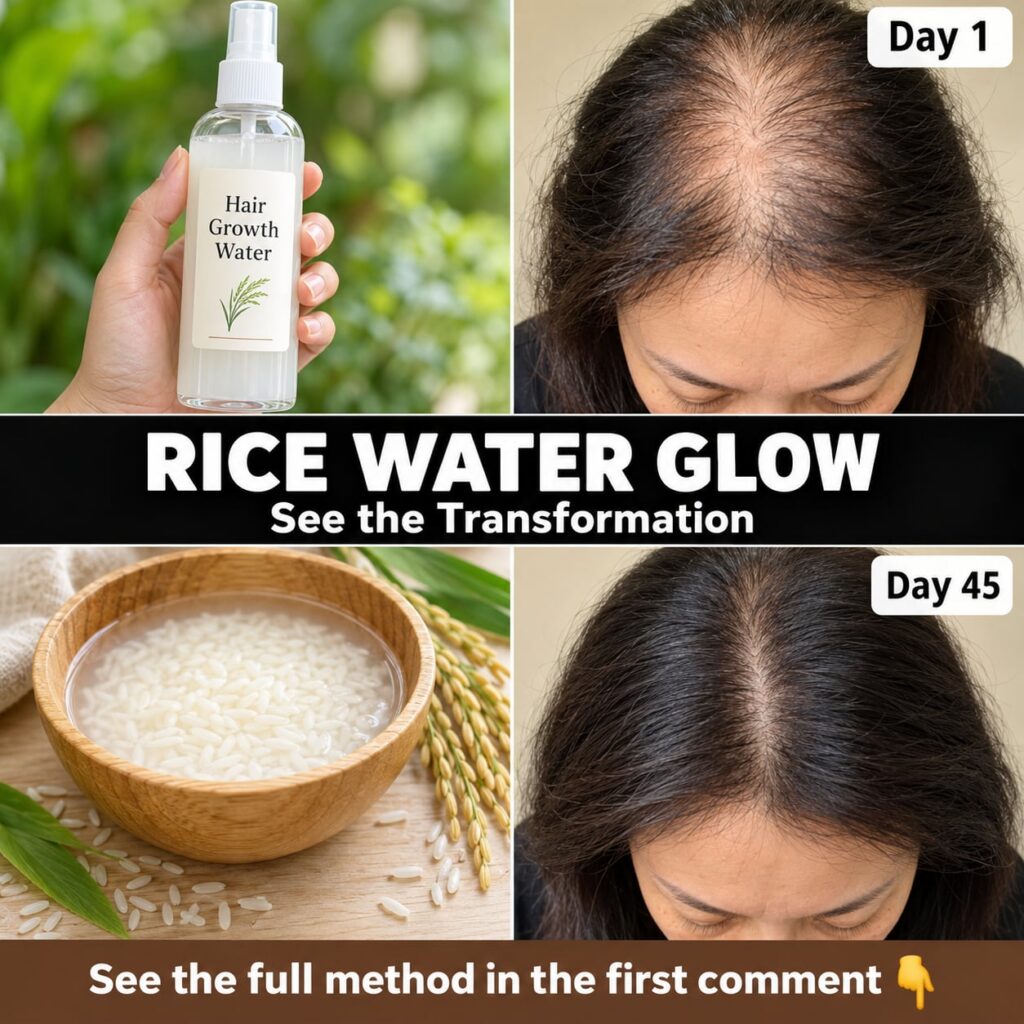
Have you been seeing the buzz everywhere? From ancient beauty rituals passed down through generations to today’s viral beauty hacks, rice water has emerged as a celebrated elixir for hair growth and strength. Claims of seeing new hair growth in as little as 45 days have grabbed attention, promising to transform thinning areas into a luscious, healthy mane. But with so much excitement, a natural question arises: is this natural wonder truly the real deal?
At Beauty, we’re all about exploring affordable, natural solutions that genuinely work. Today, we’re diving deep into the world of rice water to uncover its secrets, understand its potential, and help you decide if it’s the right addition to your hair care routine.
The Ancient Roots and Modern Revival of Rice Water
The use of rice water for hair isn’t a new phenomenon. For centuries, women in countries like China (particularly the Yao women of Huangluo Village, famous for their incredibly long, strong, and dark hair) and Japan have incorporated rice water into their beauty rituals. They believed it to be the key to their enviable locks, preventing breakage and promoting rapid growth.
Fast forward to today, and rice water has experienced a massive resurgence, fueled by social media and a growing desire for natural, DIY beauty solutions. Many are turning away from chemical-laden products in favor of simple, effective ingredients found right in their kitchen.
What Makes Rice Water So Special for Hair?
So, what exactly is in this cloudy liquid that makes it so sought-after? Rice water is packed with a treasure trove of nutrients beneficial for hair:
- Amino Acids: These are the building blocks of protein, essential for strengthening hair strands and repairing damage.
- Vitamins B and E: Known for their antioxidant properties, these vitamins support scalp health and encourage hair growth. Vitamin E, in particular, can help improve blood circulation to the scalp.
- Inositol: This carbohydrate is unique to rice water and is believed to penetrate damaged hair, repairing it from the inside out and protecting it from future damage. It’s often credited with the detangling and smoothing effects of rice water.
- Minerals: Rice water contains minerals like magnesium and zinc, which contribute to overall hair health.
Does It Really Work? The Science (and Anecdotal Evidence)
While the historical use and overwhelming anecdotal evidence are compelling, robust scientific studies specifically on rice water for hair growth in humans are still limited. However, the components within rice water offer strong theoretical support for its benefits:
- Strength and Elasticity: The amino acids and inositol can help to fortify the hair shaft, reducing breakage and improving elasticity, leading to longer, stronger hair.
- Shine and Smoothness: Inositol’s ability to repair damaged hair cuticles results in smoother, shinier hair that’s easier to detangle.
- Scalp Health: Vitamins and antioxidants contribute to a healthier scalp environment, which is crucial for encouraging new, healthy hair growth.
Many users report noticeable improvements in hair thickness, reduced shedding, increased shine, and even faster growth within weeks of consistent use. For those dealing with thinning hair, the prospect of new growth in bald patches is incredibly exciting!
How to Make Your Own Rice Water at Home
Making rice water is simple and can be done in a few different ways. Here are the two most popular methods:
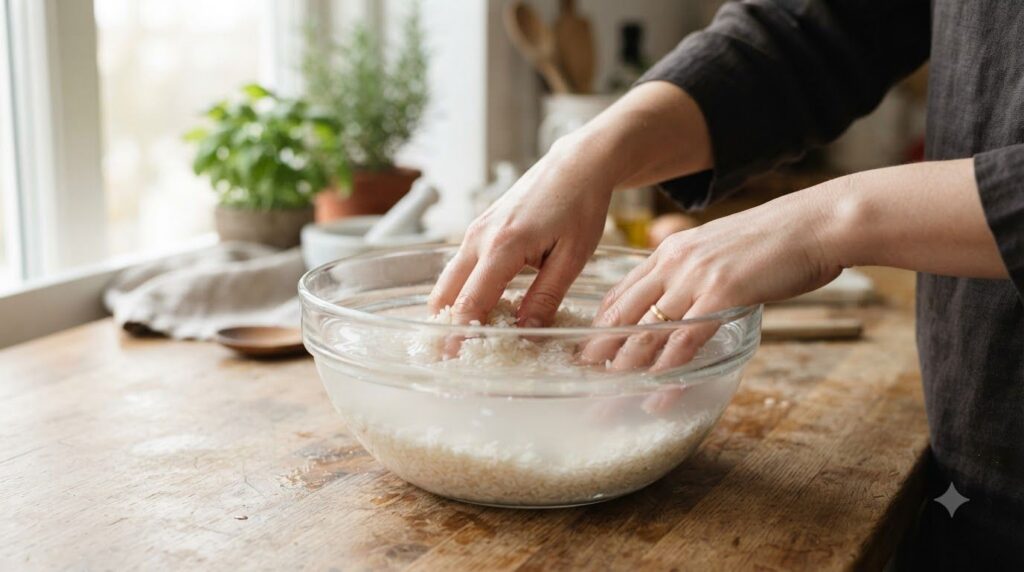
1. Plain Rice Water (Soaking Method)
This is the quickest and easiest method.
- Rinse: Take about ½ cup of uncooked rice (any type will do, but organic is preferred) and rinse it thoroughly to remove impurities.
- Soak: Place the rinsed rice in a bowl and add 2-3 cups of distilled or filtered water.
- Sit: Let the rice soak for 30 minutes to 2 hours.
- Strain: Strain the rice water into a clean spray bottle or container. Your plain rice water is ready!
2. Fermented Rice Water
Fermented rice water is often considered more potent due to increased levels of antioxidants and other beneficial compounds produced during the fermentation process. It also has a slightly lower pH, which is closer to that of your hair.
- Rinse & Soak: Follow steps 1 and 2 from the plain rice water method.
- Ferment: Instead of 30 minutes, let the rice water sit at room temperature for 12 to 24 hours. You’ll notice a slightly sour smell and it might become cloudier. This indicates fermentation is happening. Don’t let it go for too long, as it can become too potent or spoil.
- Strain: Strain the rice water into a clean spray bottle or container.
- Dilute (Optional but Recommended): For some, fermented rice water can be too strong. You might want to dilute it with 1-2 parts plain water before use.
How to Use Rice Water for Maximum Benefits
Once you’ve prepared your rice water, here’s how to incorporate it into your routine:
- Shampoo Hair: Wash your hair as usual with a gentle shampoo.
- Apply Rice Water: After shampooing, pour or spray the rice water evenly over your hair and scalp. Make sure to massage it into your scalp, paying attention to any thinning areas.
- Leave On: Leave the rice water on for 15-30 minutes. Some people prefer to leave it on longer, but start with a shorter time to see how your hair reacts.
- Rinse Thoroughly: Rinse your hair thoroughly with lukewarm water until all the rice water is gone.
- Condition (Optional): Follow up with a light conditioner if your hair feels dry.
Frequency:
Start by using rice water 1-2 times a week. If your hair responds well, you can increase to 2-3 times a week. Listen to your hair; if it starts to feel stiff or brittle, you might be experiencing protein overload, and should reduce usage.

Important Considerations and Tips
- Patch Test: Always do a patch test on a small area of your scalp first to check for any irritation or adverse reactions.
- Storage: Store rice water in an airtight container in the refrigerator for up to 5-7 days. Discard if it develops a foul odor or mold.
- Protein Overload: Some hair types, especially low porosity hair, can be sensitive to too much protein. If your hair feels stiff, dry, or brittle, reduce the frequency of use or try diluting the rice water further.
- Consistency is Key: Like any natural remedy, results aren’t instant. Be patient and consistent with your routine to see the best results.
- Balanced Diet: Remember that external treatments work best when supported by a healthy, balanced diet rich in vitamins and minerals essential for hair growth.
Final Thoughts: Your Hair Growth Journey Awaits!
Rice water certainly holds incredible promise as a natural, affordable solution for promoting hair growth, strength, and shine. While the scientific community continues its research, countless individuals worldwide swear by its transformative power.
If you’re looking for a natural way to stimulate hair growth, address thinning areas, or simply enhance the overall health and appearance of your hair, giving rice water a try could be a game-changer. It’s an easy, low-cost DIY beauty hack that aligns perfectly with our love for natural ingredients and effective self-care.
We’re curious to know your thoughts and experiences! Have you tried rice water for your hair? What results did you see? Share your story in the comments below!