When you read ’30 grams of protein’ on a label, do you ever stop to wonder if all 30 grams are created equal? It’s a common misconception that protein is just protein, regardless of its source. However, the truth is far more nuanced. Understanding the distinct differences between protein powder and whole animal foods can profoundly influence your nutrition strategy and help you achieve your health and fitness objectives.
This article dives deep into the common comparison: protein powder versus animal foods. We’ll explore what makes each unique, revealing how aspects beyond just the gram count can impact your body, satiety, and overall wellness. Get ready to uncover the full story behind your protein sources and make truly informed choices.
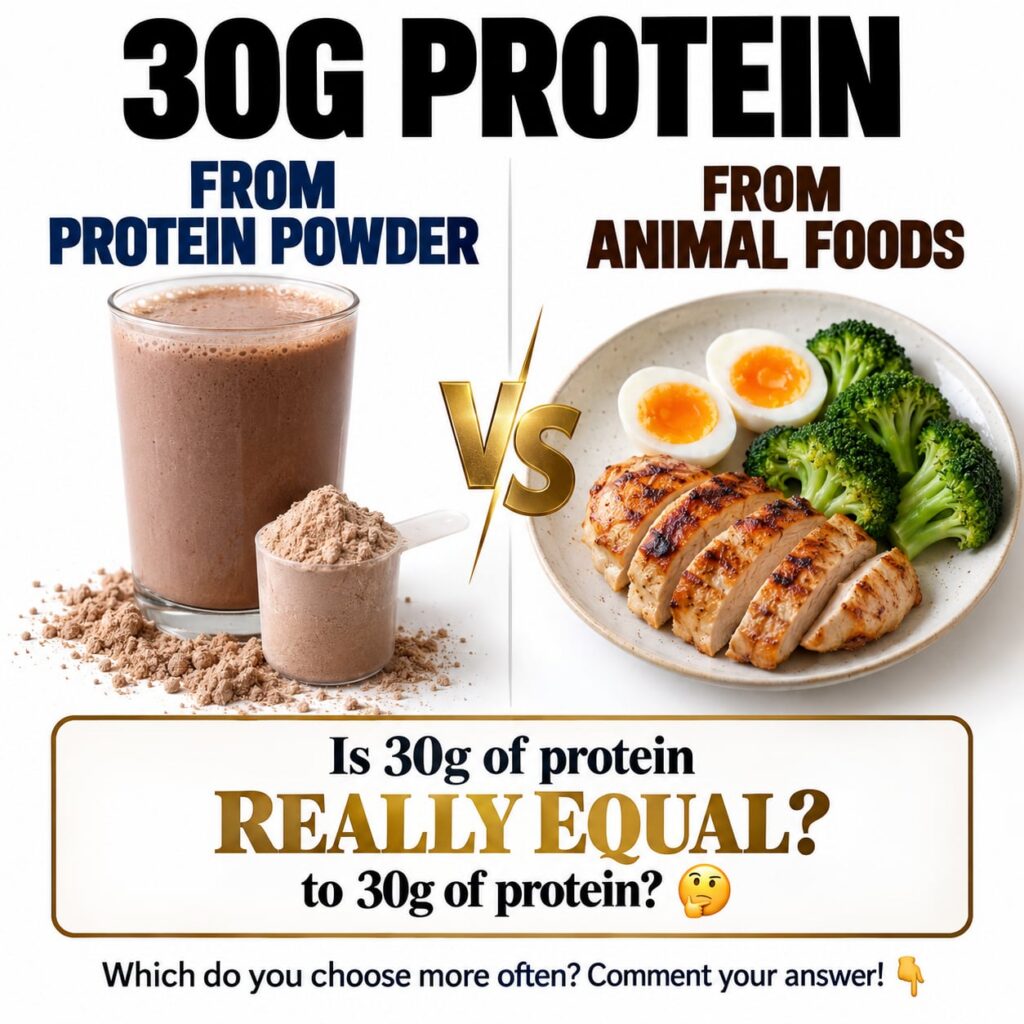
The Protein Puzzle: Is 30 Grams Really 30 Grams?
At first glance, 30 grams of protein appears to be a straightforward measurement. It implies a certain amount of muscle-building amino acids, crucial for recovery, satiety, and overall health. However, this number on its own tells only a part of the story. The source of those 30 grams—whether it’s from a highly processed supplement or a naturally occurring whole food—brings with it a unique nutritional package.
The impact of protein on your body goes beyond just the amino acids. It includes the accompanying vitamins, minerals, fats, and other bioactive compounds that either enhance or diminish its overall health benefits. This is where the crucial distinction between protein powder and whole animal foods truly emerges.
Protein Powder: Convenience Meets Concentration
Protein powders have become a staple in many fitness and health routines, and for good reason. They offer unparalleled convenience and a concentrated dose of protein, making it easy to hit daily protein targets, especially for those with active lifestyles or specific dietary needs.
- Quick Absorption: Many protein powders, particularly whey, are quickly digested and absorbed, making them ideal for post-workout recovery to deliver amino acids rapidly to muscles.
- Convenience: Shakes are quick to prepare and consume on the go, fitting seamlessly into busy schedules.
- Targeted Nutrition: They can be a great way to boost protein intake without adding significant carbohydrates or fats, depending on the type. This is particularly useful for those managing calorie intake or focusing on muscle protein synthesis.
- Versatility: Protein powders can be blended into smoothies, mixed into oatmeal, or even used in baking, making them a versatile addition to many recipes. Looking for a convenient source? Explore options like the best protein powder for muscle growth or top vegan protein powders.
Whole Animal Foods: A Symphony of Nutrients
Before the rise of supplements, whole animal foods were the primary source of high-quality protein, and they continue to be foundational for a balanced diet. These foods offer a complex matrix of nutrients that work synergistically to support various bodily functions.
- Complete Amino Acid Profile: Animal proteins like meat, poultry, fish, eggs, and dairy are considered ‘complete’ proteins, providing all nine essential amino acids necessary for human health.
- Rich in Micronutrients: Beyond protein, these foods are packed with essential vitamins and minerals. For example, red meat provides iron and B vitamins, fish offers omega-3 fatty acids and vitamin D, and eggs deliver choline and vitamin B12.
- Enhanced Satiety: The natural fats and fibers (in plant-based whole foods often consumed alongside animal proteins) in whole foods contribute to greater satiety, helping you feel fuller for longer and potentially aiding in weight management.
- Natural & Unprocessed: Generally, whole animal foods undergo minimal processing, retaining their natural nutrient integrity.
Beyond the Label: Key Differences That Matter
While both protein powder and whole animal foods can contribute to your protein intake, their distinct characteristics lead to different physiological impacts.
Nutrient Density and Micronutrients
This is perhaps the most significant difference. While a scoop of protein powder might deliver 30g of protein, a chicken breast providing the same amount of protein will also come with a wealth of B vitamins, zinc, selenium, and other trace minerals. Similarly, 30g of protein from salmon offers beneficial omega-3 fatty acids that are often absent or minimal in protein powders. Whole foods offer a ‘nutrient package’ that supports overall health in a way supplements alone cannot.
Satiety and Digestibility
Whole foods tend to promote greater satiety due to their complex structure, requiring more chewing and digestion time. The presence of natural fats and fibers (especially when combined with vegetables) contributes to a feeling of fullness that a liquid protein shake often can’t match. While protein powders are generally easy to digest, some individuals may experience digestive discomfort due to additives or lactose, depending on the type.
Processing Level and Additives
Protein powders, by nature, are processed foods. They often contain artificial sweeteners, flavorings, thickeners, and sometimes emulsifiers. While many brands prioritize clean ingredients, it’s crucial to read labels. Whole animal foods, on the other hand, are typically consumed in their natural or minimally processed state, free from such additives.
Versatility and Meal Integration
Whole animal proteins are the stars of countless healthy meal prep ideas and high-protein low-calorie meals. They form the foundation of dishes and contribute to the overall flavor and texture of a meal. Protein powder, while versatile in its own right, usually plays a supportive role, enhancing the protein content of existing foods rather than being the main component of a meal.
Choosing Your Protein Powerhouse: When to Opt for Each
The choice between protein powder and whole animal foods isn’t about one being inherently ‘better’ than the other; it’s about understanding their roles and integrating them strategically into your diet.
- For Post-Workout Recovery: A quick-absorbing protein shake (like whey) can be highly effective in delivering amino acids to muscles immediately after exercise.
- For Convenience & On-the-Go: If you’re pressed for time or need a protein boost between meals, a protein shake or bar made with quality powder is an excellent option.
- For Overall Nutritional Health: Prioritize whole animal foods for most of your protein intake. They provide a broader spectrum of nutrients essential for long-term health, vitality, and satiety. Think about incorporating high protein breakfast ideas with eggs, Greek yogurt, or lean meats.
- For Weight Management: Whole animal proteins can be more beneficial due to their satiating effect, helping to curb appetite and reduce overall calorie intake.
Optimizing Your Plate: Integrating Both for Maximum Benefit
The most effective strategy often involves leveraging the strengths of both protein powder and whole animal foods. Aim for a diet rich in diverse whole food protein sources and use protein powder as a convenient supplement to fill gaps or meet specific needs, like around intense workouts.
For example, you might enjoy a scramble with eggs and vegetables for breakfast, a lean chicken salad for lunch, and baked salmon with quinoa for dinner. A protein shake could serve as a convenient snack or a pre/post-workout boost. This balanced approach ensures you receive both the targeted benefits of supplements and the comprehensive nutrition of whole foods.