Most people immediately associate the castor plant (Ricinus communis) with its highly toxic seeds, known for producing castor oil. But what if we told you that the leaves of this very plant, often overlooked, hold a surprising history of traditional medicinal uses? While the seeds are indeed dangerous if ingested, the leaves have been a staple in folk remedies for centuries, particularly as a soothing botanical infusion for various external applications. Today, we’ll dive into a simple yet powerful traditional preparation: the castor leaf foot soak.
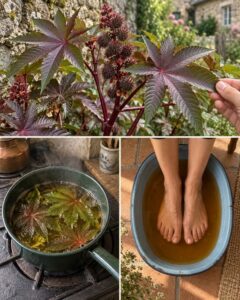
What is a Castor Leaf Foot Soak?
A castor leaf foot soak is a traditional preparation where fresh castor leaves are steeped in hot water to create an herbal infusion. This infusion is then used as a warm bath for the feet, valued historically for its soothing and comforting properties. Unlike castor oil, which is derived from the seeds, this remedy solely utilizes the leaves for external application, ensuring safety when prepared correctly.
Ingredients
- 8-10 large, fresh castor leaves (ensure they are clean and free from pesticides)
- 8-10 cups of filtered water
- A large pot for boiling
- A basin or foot spa large enough for your feet
Approximate Measurements
The quantities listed above are for a typical foot soak. You can adjust the amount of water and leaves proportionally if you desire a stronger infusion or need less liquid for your basin. For every 2 cups of water, use 2-3 large leaves.
Formula / Recipe: Preparing Your Castor Leaf Infusion
The key to an effective castor leaf foot soak lies in extracting the beneficial compounds from the leaves into the water without excessive boiling, which can degrade delicate components. This method focuses on a gentle infusion.
Step-by-Step Method
- Gather and Clean Leaves: Carefully select 8-10 large, healthy, fresh castor leaves. Wash them thoroughly under cool running water to remove any dirt, dust, or potential residues. Pat them dry with a clean cloth.
- Roughly Chop: Tear or roughly chop the leaves into smaller pieces. This helps to release their properties more effectively during the infusion process.
- Prepare the Water: Pour 8-10 cups of filtered water into a large pot. Bring the water to a boil over medium-high heat.
- Infuse the Leaves: Once the water reaches a rolling boil, remove the pot from the heat immediately. Add the chopped castor leaves to the hot water. Cover the pot with a lid.
- Steep: Allow the leaves to steep for at least 20-30 minutes. For a stronger infusion, you can let them steep for up to an hour. The water should turn a light brownish-green color.
- Strain: Carefully strain the liquid into your foot basin, discarding the used leaves. Ensure no leaf material remains in the soak.
- Cool to a Comfortable Temperature: Allow the infused water to cool down to a comfortably warm temperature. It should be warm enough to be soothing but not so hot that it scalds your skin. You can test the temperature with your elbow or a small part of your foot.
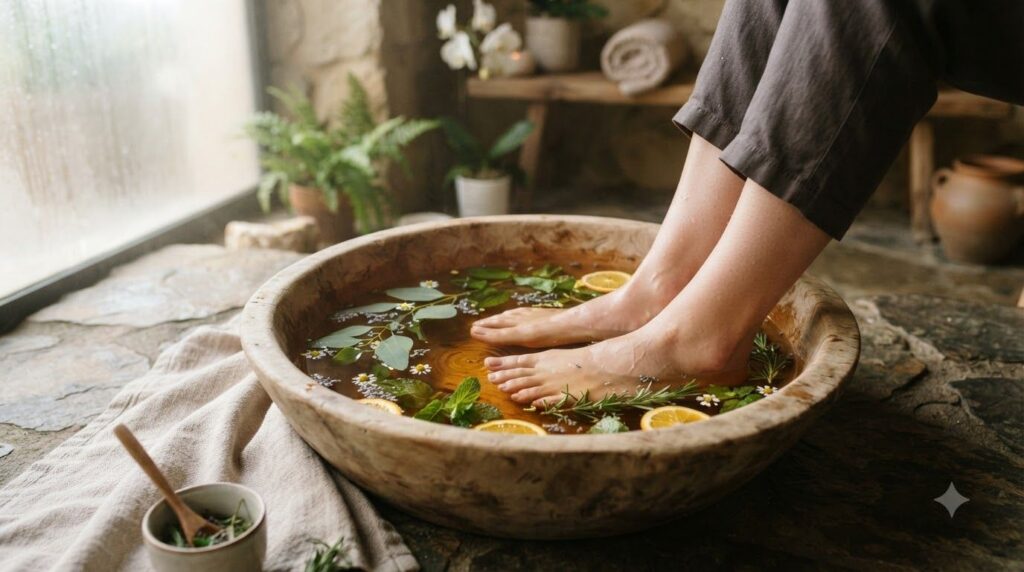
How to Use
Once the infusion is at a safe, warm temperature, simply place your feet into the basin and soak them for 20-30 minutes. You can cover the basin with a towel to help retain heat. Relax and enjoy the soothing warmth.
How Often to Use
This foot soak can be used 2-3 times a week, or as needed for comfort. Listen to your body and adjust frequency based on your experience.
Quick Tip: Boost Your Soak
For an extra soothing experience, consider adding a handful of Epsom salts (magnesium sulfate) to your warm castor leaf foot soak. This can enhance relaxation and help with tired feet. Just ensure the salts dissolve completely before soaking.
How to Buy / How to Choose Ingredients
Sourcing castor leaves requires careful consideration due to the plant’s notoriety. Here’s what to look for:
- Freshness is Key: Always use fresh, vibrant green leaves. Avoid any leaves that are wilted, discolored, or show signs of pest damage.
- Pesticide-Free: It is absolutely crucial to source castor leaves that have not been sprayed with pesticides or herbicides. If you are not growing your own, inquire about farming practices or look for organically grown sources.
- Grow Your Own: The safest way to ensure quality and freedom from contaminants is to grow castor plants in your own garden. Remember to place them away from children and pets due to the toxic seeds.
- Differentiate from Seeds: Reiterate to yourself and anyone handling the plant that only the leaves are for this external remedy. The seeds are highly toxic and should never be used or ingested.
Storage
A castor leaf foot soak is best prepared fresh for each use. The active compounds are most potent when the infusion is newly made. Storing leftover liquid is generally not recommended as its efficacy diminishes, and it can become a breeding ground for bacteria. Discard any unused infusion after your soak.
Practical Tips
- Temperature Matters: Ensure the water is comfortably warm, not scalding hot, to prevent burns.
- Relaxation Time: Use your soak time to unwind. Read a book, listen to music, or simply sit quietly.
- Hydrate: Drink a glass of water before and after your soak to stay hydrated.
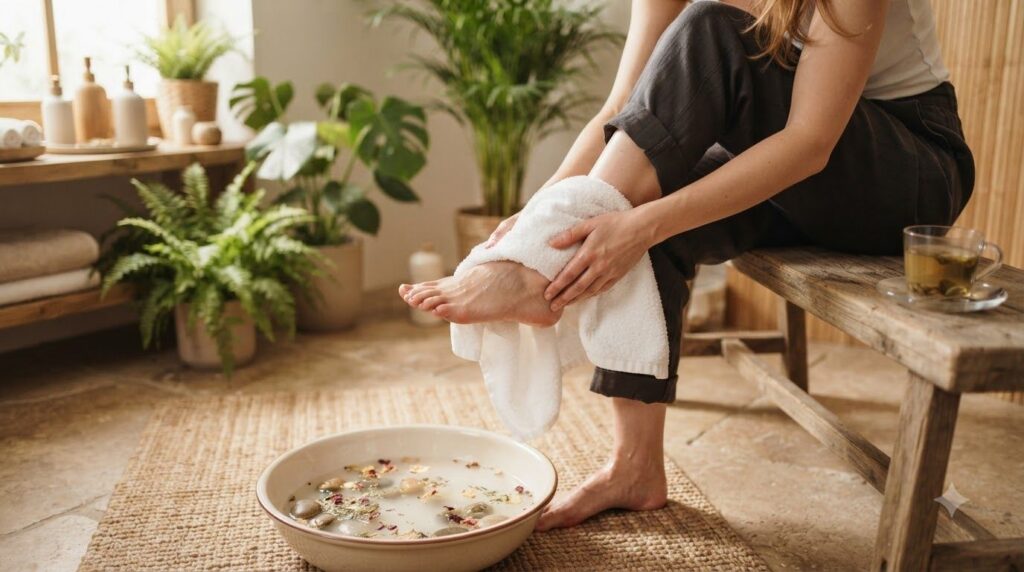
- Follow Up: After your soak, gently pat your feet dry and consider applying a natural moisturizer or foot balm.
Comparison: Fresh vs. Dried Castor Leaves
When it comes to preparing an herbal infusion, the choice between fresh and dried plant material can impact effectiveness. For castor leaves, fresh is almost always preferred for this remedy.
| Feature | Fresh Castor Leaves | Dried Castor Leaves |
|---|---|---|
| Potency | Higher concentration of volatile compounds, generally more effective. | Lower potency; some compounds may degrade during drying. |
| Availability | Seasonal, or if growing your own. | Available year-round, often found in herbal shops. |
| Preparation | Simple wash and chop. | May require rehydrating before use; ensure quality. |
| Storage | Use immediately. | Store in airtight container, cool, dark place. |
| Recommendation for Soak | Strongly recommended for best results. | Less ideal; may require more material or longer steeping. |
Common Mistakes
- Using the Wrong Plant Part: The most critical mistake is confusing leaves with seeds. NEVER use castor seeds for any DIY remedy. They are highly toxic.
- Using Sprayed Leaves: Applying pesticides to your skin, even indirectly, can be harmful. Always ensure leaves are clean and organically grown.
- Boiling Too Long: Prolonged boiling can destroy delicate plant compounds. Infusion (steeping after removing from heat) is preferred.
- Ignoring Temperature: Soaking feet in water that is too hot can cause burns. Always test the temperature.
- Reusing Infusion: Storing and reusing the infused water can lead to bacterial growth and reduced effectiveness. Always make a fresh batch.
Cautions / Who Should Avoid It
While this remedy uses castor leaves externally, a plant known for its toxic seeds, caution is paramount.
- Pregnant or Breastfeeding Women: Consult a healthcare professional before using any herbal remedies.
- Open Wounds or Skin Conditions: Do not use on broken, irritated, or infected skin without medical advice.
- Allergies: If you have known allergies to plants in the Euphorbiaceae family, proceed with extreme caution or avoid entirely.
- Children: Keep castor plants and any preparations away from children due to the risk of accidental ingestion of seeds.
- Internal Use: This remedy is strictly for external use as a foot soak. Never ingest castor leaf preparations.
Quick Summary
- Best Preparation: Fresh castor leaves, infused in hot water (not boiled).
- Best Use-Case: Soothing foot soak for tired or uncomfortable feet.
- Storage: Prepare fresh for each use; do not store leftover infusion.
- When to Use: 2-3 times a week, or as needed for comfort.
- What to Avoid: NEVER use castor seeds. Ensure leaves are pesticide-free. Avoid on broken skin.
FAQ
Can I use dried castor leaves instead of fresh?
While fresh leaves are highly recommended for potency, if dried leaves are your only option, you may need to use a larger quantity and steep them for longer to achieve a similar effect. Always ensure they are sourced responsibly.
How long does the foot soak last?
The beneficial compounds are most potent when the infusion is fresh. It’s best to use the soak immediately after preparation and discard any leftovers.
Can I refrigerate the leftover infusion?
No, it’s not recommended. Refrigerating and reusing can lead to reduced efficacy and potential bacterial growth. Always prepare a fresh batch.
How often should I use the castor leaf foot soak?
You can use it 2-3 times a week or whenever you feel your feet need soothing and relaxation.
What part of the castor plant is best for this remedy?
Only the leaves are used for this external foot soak. The seeds are highly toxic and should never be used.
Are there any side effects?
For external use as a foot soak, side effects are rare if prepared and used correctly on intact skin. Discontinue use if any irritation occurs. Always be mindful of the plant’s toxicity if mishandled or ingested.
Can I use this for internal issues?
No, this castor leaf preparation is strictly for external use as a foot soak. Do not ingest any part of the castor plant or its leaf preparations.
Conclusion
The castor plant is a fascinating example of nature’s duality, offering both danger and potential comfort. By understanding the critical distinction between its toxic seeds and historically valued leaves, you can safely explore traditional external remedies like the castor leaf foot soak. This simple preparation offers a practical way to bring ancient wisdom into your self-care routine, providing a soothing experience for tired feet. Always prioritize safety, responsible sourcing, and correct preparation to make the most of this unique botanical.
You may also like: DIY Herbal Compresses for Muscle Relief
Read more: Understanding Plant Toxicity in Safe Remedies

