Nourish Your Liver with Power-Packed Green Foods
Did you know that the vibrant green foods you enjoy can be incredible allies for your liver? Your liver is a hardworking organ, responsible for over 500 vital functions, including detoxifying your body, processing nutrients, and producing bile for digestion.
In this article, we’ll dive into why green foods are so beneficial for your liver, what key nutrients they offer, and how you can easily add more of these health-boosting items to your daily meals. Get ready to feel your best by giving your liver the nourishment it deserves!
The Essential Role of Your Liver
Your liver is a silent hero, constantly working to keep you healthy. It acts as your body’s primary detoxification center, filtering toxins from your blood, metabolizing drugs, and helping to remove waste products. It also stores essential vitamins and minerals, regulates blood sugar, and produces proteins vital for blood clotting.
Supporting your liver with nutrient-rich foods is crucial for its optimal function and your overall health. When your liver is healthy, your body can better manage energy levels, digestion, and detoxification.

Why Green Foods Are Great for Your Liver
Green foods, especially leafy greens and certain vegetables, are packed with compounds that specifically benefit liver health. Here’s why they’re so powerful:
- Rich in Antioxidants: Many green foods contain potent antioxidants like chlorophyll, Vitamin C, and Vitamin E, which help protect liver cells from damage caused by free radicals.
- Support Detoxification Pathways: They often contain compounds that enhance the liver’s natural detoxification enzymes, helping it process and eliminate toxins more efficiently.
- Anti-Inflammatory Properties: Chronic inflammation can harm the liver. Green foods often have anti-inflammatory properties that can help reduce liver inflammation.
- Provide Essential Vitamins and Minerals: They are excellent sources of vital nutrients like folate, magnesium, and potassium, all of which play roles in various liver functions.
Key Nutrients in Liver-Friendly Green Foods
Let’s look at some of the superstars found in green foods that give your liver a helping hand:
Glutathione
Often called the ‘master antioxidant,’ glutathione is crucial for liver detoxification. Foods like asparagus, avocado, and spinach can help boost your body’s production of this vital compound.
Chlorophyll
The pigment that gives plants their green color, chlorophyll, is believed to help detoxify the blood, protect the liver from toxins, and support its filtering capabilities. Leafy greens are abundant in chlorophyll.
Sulfur Compounds
Found in cruciferous vegetables like broccoli and kale, sulfur compounds aid the liver’s Phase II detoxification pathways, which are essential for neutralizing harmful substances.
Vitamins and Minerals
Green foods are a treasure trove of nutrients:
- Vitamin K: Important for blood clotting, a function of the liver.
- Folate (Vitamin B9): Supports liver cell regeneration and overall liver function.
- Magnesium: Involved in hundreds of biochemical reactions in the body, including those in the liver.
- Fiber: Helps with digestion and toxin elimination, reducing the burden on the liver.
Top Green Foods for Liver Support
Here are some of the best green foods to add to your diet for a healthy liver:
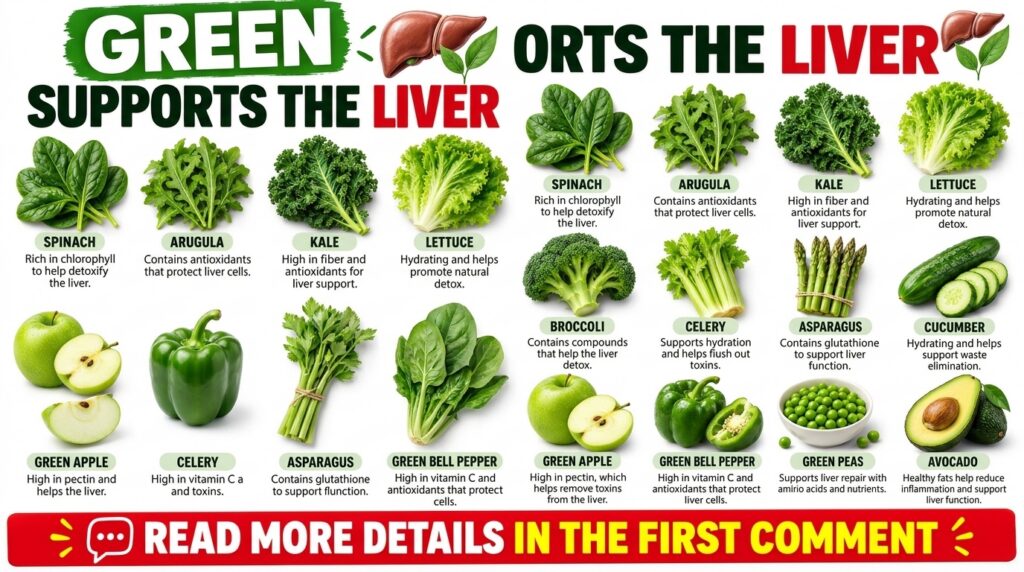
Spinach
This leafy green is a fantastic source of antioxidants, including alpha-lipoic acid, which research suggests may help protect the liver from damage. It’s also rich in chlorophyll and folate.
Kale
A powerhouse of nutrients, kale is packed with sulfur-containing compounds that support liver detoxification enzymes. It’s also high in Vitamins A, C, and K.
Avocado
Avocados are unique among fruits for their healthy fats. They contain glutathione-producing compounds and provide healthy monounsaturated fats, which can help reduce liver damage.
Broccoli and Other Cruciferous Vegetables
Broccoli, Brussels sprouts, and cabbage are rich in glucosinolates, which the liver converts into detoxifying compounds. They help your liver flush out carcinogens and other toxins.
Artichokes
Artichokes can help increase bile production, which is essential for digesting fats and removing toxins from the liver. They contain compounds like cynarin and silymarin, known for their liver-protective effects.
Green Tea
While not a food, green tea is a potent green beverage rich in catechins, a type of antioxidant that research suggests may help reduce fat accumulation in the liver and protect against liver disease.
Arugula
This peppery green is another excellent source of sulfur-containing compounds, aiding the liver’s detoxification processes. It’s also rich in antioxidants and nitrates.
Practical Tips for Incorporating More Greens
Adding more green foods to your diet doesn’t have to be complicated. Here are some simple and delicious ideas:
- Start Your Day Green: Add a handful of spinach or kale to your morning smoothie. You won’t even taste it!
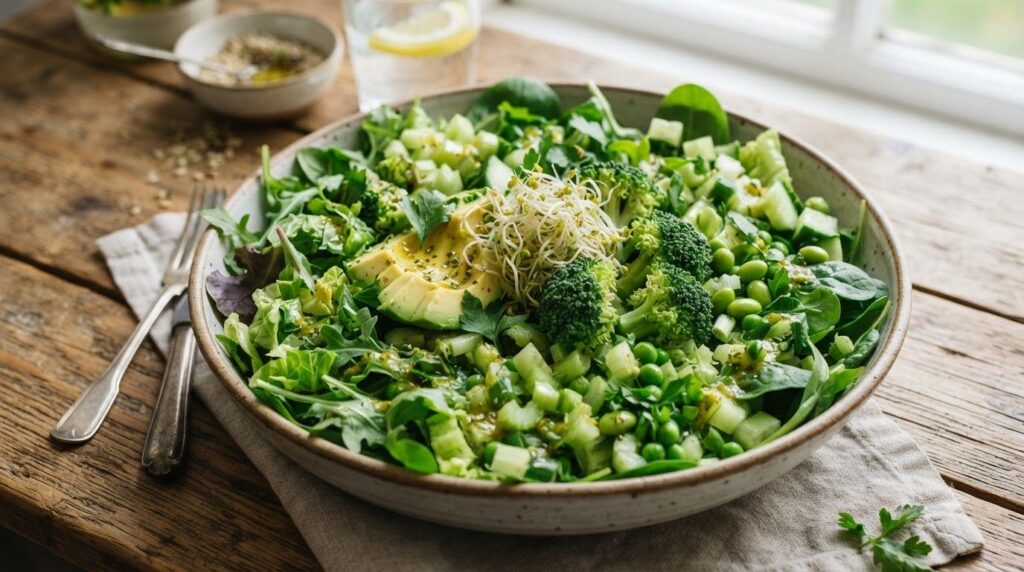
- Salad Power: Make salads a staple. Mix different leafy greens and add other green vegetables like cucumber, bell peppers, or avocado.
- Sneak Them In: Finely chop spinach or kale and add it to pasta sauces, casseroles, omelets, or scrambled eggs.
- Roast Them: Roasted broccoli, Brussels sprouts, or asparagus make delicious and easy side dishes.
- Green Snacks: Enjoy avocado slices with a sprinkle of salt and pepper, or try kale chips.
- Soup Boost: Stir in fresh greens at the end of cooking your favorite soups or stews.
FAQs About Green Foods and Liver Health
Q1: Can green foods really help detox my liver?
A: Yes, green foods contain compounds that support the liver’s natural detoxification processes, helping it to filter and eliminate toxins more efficiently. They don’t ‘detox’ in the sense of a cleanse, but rather assist your liver in its ongoing work.
Q2: How much green food should I eat daily for liver health?
A: Aim for at least 2-3 cups of various green vegetables and fruits daily. Consistency is key.
Q3: Are frozen green vegetables as good as fresh for the liver?
A: Yes, frozen green vegetables are often picked at their peak ripeness and flash-frozen, locking in nutrients. They are an excellent and convenient option.
Q4: Can green tea replace leafy greens for liver benefits?
A: While green tea offers great benefits for the liver due to its antioxidants, it should complement, not replace, a diet rich in whole green foods. Different greens provide different nutrient profiles.
Q5: Are there any green foods to avoid for liver health?
A: Generally, whole, unprocessed green foods are beneficial. However, if you have specific medical conditions, always consult your doctor or a dietitian.
Q6: Does cooking reduce the benefits of green foods for the liver?
A: Some nutrients, like certain vitamins, can be reduced by high heat. However, cooking can also make some nutrients more bioavailable. A mix of raw and lightly cooked greens is ideal.
Conclusion
Incorporating a variety of green foods into your diet is a simple yet powerful way to support your liver’s health and overall well-being. From the antioxidants in spinach to the detox-boosting compounds in kale and broccoli, these vibrant foods provide essential nutrients your liver needs to function optimally.
Make it a habit to fill your plate with more greens, and your liver will thank you! Explore more healthy food content on our website to continue your journey towards a healthier, happier you.
This content is for educational purposes only and should not be considered medical advice. Consult a qualified healthcare professional for personalized dietary recommendations.
Related Articles You Might Enjoy:
- Healthy Eating Habits for a Stronger You
- Top 10 Anti-Inflammatory Foods You Should Eat
- Gut Health: The Foundation of Your Well-being
- Delicious High Protein Breakfast Ideas