Ever stood in the grocery aisle, gazing at the various oat options and wondering, “What’s the difference?” You’re not alone! While all oats start from the same whole grain, how they are processed dramatically changes their texture, cooking time, and even subtle nutritional nuances.
Understanding the “oatstanding” differences between steel-cut, rolled, and instant oats can transform your breakfast bowl and baking endeavors. Whether you’re seeking a hearty, chewy texture, a quick and creamy meal, or the perfect ingredient for your next batch of cookies, there’s an oat for every occasion.
In this guide, we’ll unpack the unique characteristics of each type of oat, comparing their nutritional profiles, cooking methods, and best uses. Get ready to discover your perfect oat match!
Oatstanding Differences: Nutrition & Texture Comparison
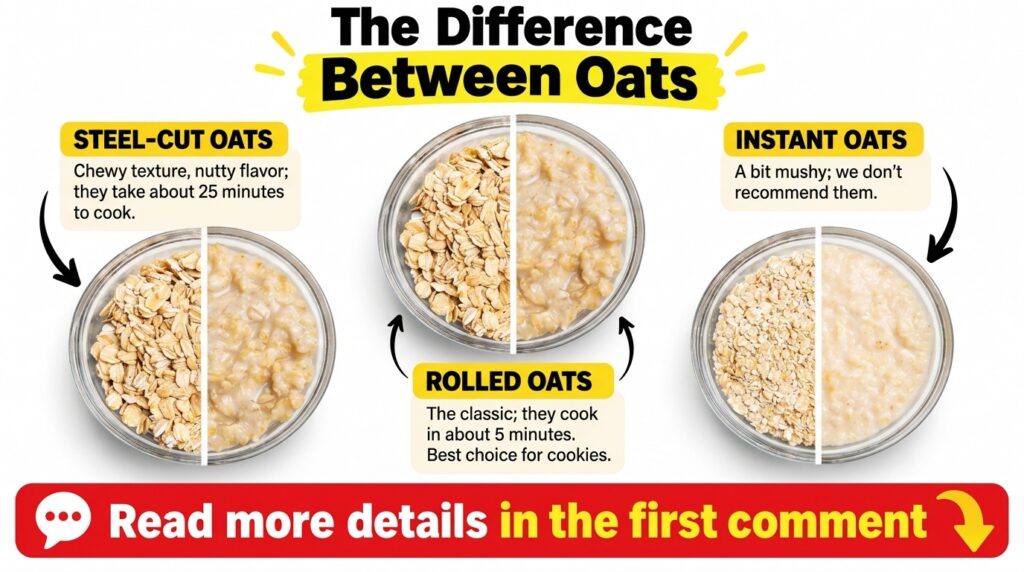
While all oats are a fantastic source of whole grains and fiber, their processing impacts their texture and how quickly your body digests them. Here’s a quick look at how they stack up.
| Oat Type | Calories (1/2 cup dry) | Protein (g) | Carbs (g) | Fiber (g) | Fat (g) | Main Nutrients | Best Benefit |
|---|---|---|---|---|---|---|---|
| Steel-Cut Oats | ~150-170 | ~5-6 | ~27-30 | ~4-5 | ~2.5-3 | Manganese, Phosphorus, Magnesium, Iron | Chewy texture, Slower digestion |
| Rolled Oats (Old-Fashioned) | ~150-170 | ~5-6 | ~27-30 | ~4-5 | ~2.5-3 | Beta-glucan, Manganese, Phosphorus | Versatility, Creamy texture |
| Instant Oats (Quick Oats) | ~150-170 | ~5-6 | ~27-30 | ~4-5 | ~2.5-3 | Beta-glucan, Iron, B Vitamins | Quickest prep, Smooth texture |
Steel-Cut Oats: The Hearty Choice
Steel-cut oats are the least processed of the three. They are whole oat groats (the hulled, unprocessed kernel) that have been cut into two or three pieces with steel blades. This minimal processing gives them a distinct, chewy texture and a nutty flavor that many find incredibly satisfying.
- Texture: Hearty, chewy, and robust.
- Cooking Time: The longest, typically 20-30 minutes on the stovetop. They can also be cooked in a slow cooker or pressure cooker.
- Best For: Those who prefer a substantial breakfast with a “bite.” Great for savory oat bowls and meal prepping due to their ability to hold texture.
Rolled Oats (Old-Fashioned): The Versatile Staple
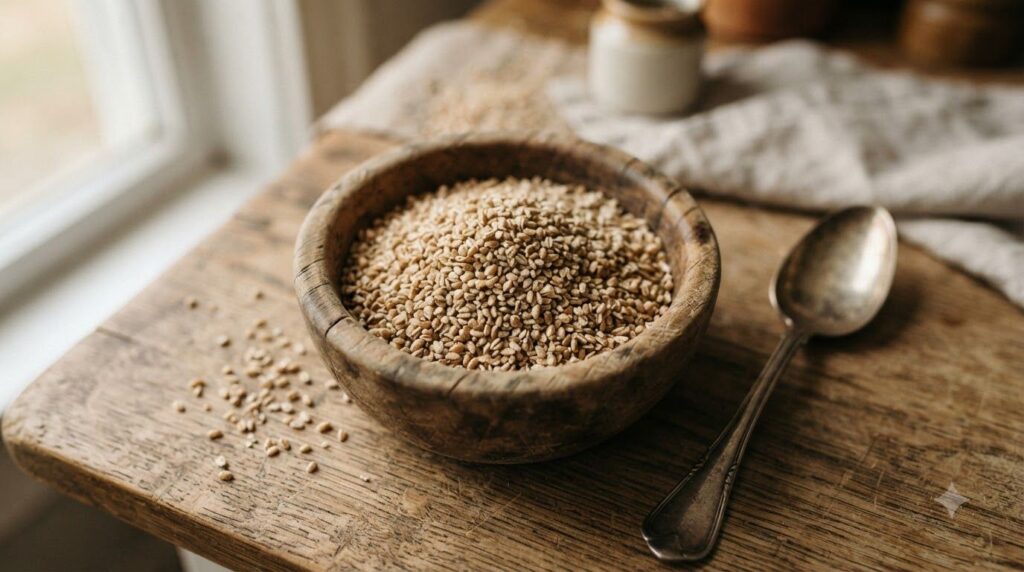
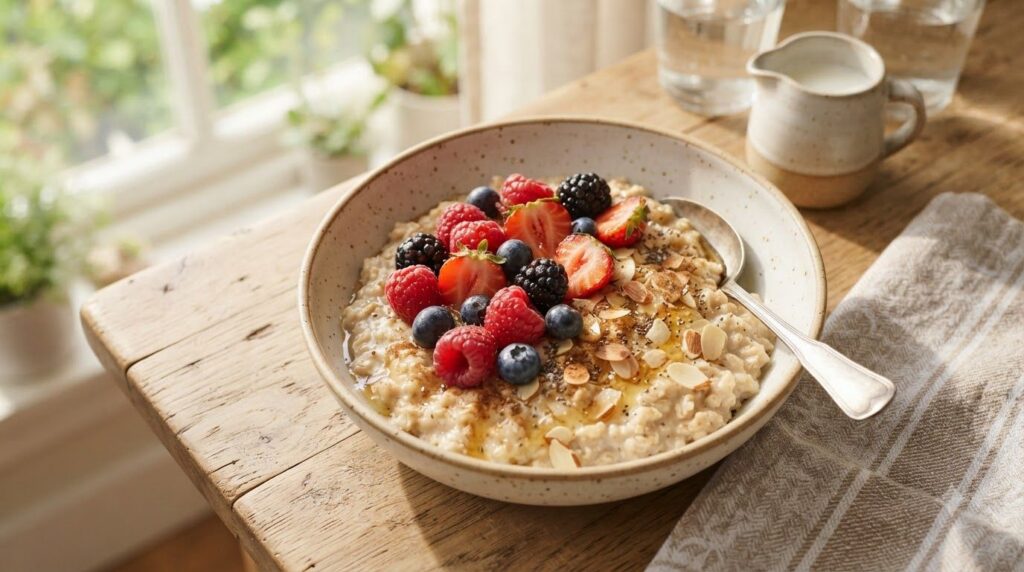
Rolled oats, often called old-fashioned oats, are created by steaming oat groats and then flattening them with large rollers. This process partially cooks the oats, making them quicker to prepare than steel-cut oats, and gives them a softer, flakier texture.
- Texture: Softer and creamier than steel-cut, but still with some chew. They hold their shape well.
- Cooking Time: Medium, usually 5-10 minutes on the stovetop, or simply soaking overnight for “overnight oats.”
- Best For: The most versatile oat! Perfect for classic oatmeal, baking (cookies, muffins, granola), and ideal for overnight oats.
Instant Oats (Quick Oats): The Speed Demon
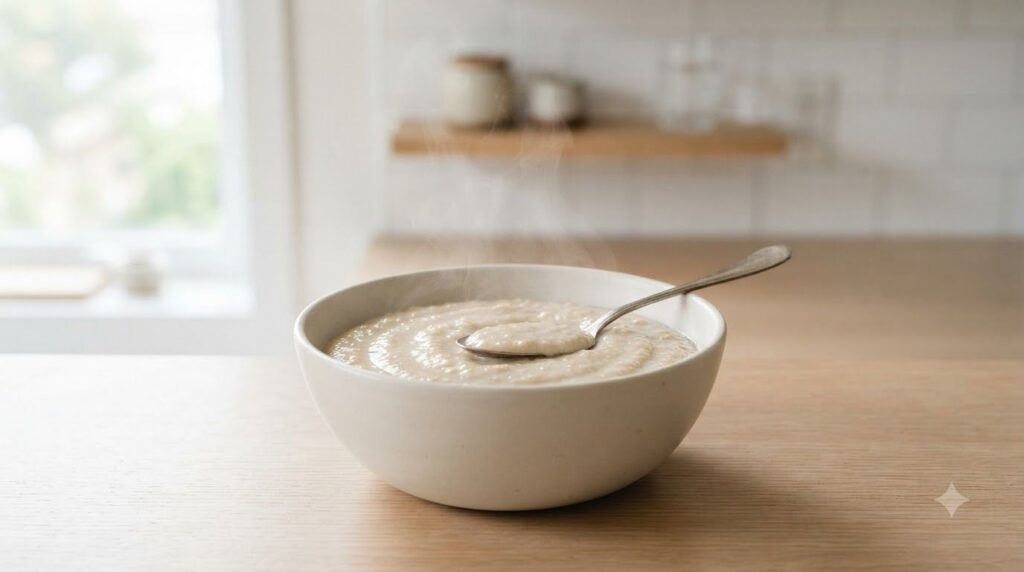
Instant oats are the most processed of the trio. They are pre-cooked, dried, and then rolled even thinner than old-fashioned oats. This extensive processing allows them to cook incredibly fast, often just by adding hot water.
- Texture: Very soft, often described as mushy or paste-like, with a much milder flavor.
- Cooking Time: The quickest, typically 1-2 minutes with hot water or in the microwave.
- Best For: Busy mornings when time is of the essence. Also useful as a thickening agent in smoothies or certain recipes. Be mindful of added sugars and flavors in pre-packaged instant oat packets.
Taste and Texture Showdown
- Steel-Cut Oats: Earthy, nutty, and incredibly chewy. They hold their shape and offer significant texture.
- Rolled Oats: Milder in flavor, creamy, and soft but still retaining some chew. They absorb liquids well and become tender.
- Instant Oats: The mildest in flavor, very soft, and almost smooth. They tend to become mushy quickly due to their thinness.
Which Oat is Best for You?
There’s no single “winner” when it comes to oats; the best choice depends on your preference, cooking time, and intended use:
- For a Hearty, Chewy Breakfast: Go for steel-cut oats. They provide sustained energy release and a satisfying texture.
- For Versatile Everyday Use: Rolled oats are your go-to. They are fantastic for classic oatmeal, overnight oats, and a wide range of baking recipes.
- For Speed and Convenience: Instant oats are perfect when you need a quick meal. Just be mindful of added ingredients in pre-packaged options.
Practical Tips for Enjoying Oats
- Boost Flavor: Add fruits, nuts, seeds, cinnamon, vanilla extract, or a touch of maple syrup or honey to any oat type.
- Savory Oats: Don’t limit oats to sweet dishes! Steel-cut oats are excellent in savory porridges with eggs, vegetables, and spices.
- Meal Prep Power: Cook a large batch of steel-cut or rolled oats at the beginning of the week for quick breakfasts all week long. Store in individual portions.
- Smart Sweeteners: If using instant oats, choose plain varieties and add your own natural sweeteners and toppings to control sugar intake.
FAQs About Oats
Are all oats gluten-free?
Naturally, oats are gluten-free, but they are often processed in facilities that also handle wheat, barley, and rye, leading to cross-contamination. If you have celiac disease or gluten sensitivity, look for oats specifically labeled “certified gluten-free.”
Which type of oat is healthiest?
All types of oats offer similar excellent nutritional profiles, rich in fiber (especially beta-glucan), vitamins, and minerals. Steel-cut oats have the lowest glycemic index due to their minimal processing, meaning they digest slower and cause a more gradual rise in blood sugar. However, the nutritional differences are subtle, and all provide substantial health benefits.
Can I use instant oats for overnight oats?
While you technically can, instant oats tend to become very mushy when soaked overnight. Rolled oats are generally preferred for overnight oats because they retain a better texture and provide a more satisfying chew.
What’s the best way to store oats?
Store all types of oats in an airtight container in a cool, dry, dark place to prevent them from going rancid or absorbing moisture. They can last for up to a year or more if stored properly.
Do oats help with weight loss?
Oats are rich in soluble fiber, particularly beta-glucan, which can promote feelings of fullness and help regulate blood sugar levels. This can contribute to better appetite control and may support weight management as part of a balanced diet.
Are flavored instant oat packets healthy?
Many pre-packaged, flavored instant oat packets contain significant amounts of added sugar, artificial flavors, and preservatives. It’s often healthier to choose plain instant oats and add your own fresh or frozen fruit, nuts, and a small amount of natural sweetener.
What’s beta-glucan and why is it important?
Beta-glucan is a type of soluble fiber found in oats. It’s known for its ability to help lower “bad” LDL cholesterol, improve heart health, and regulate blood sugar. It also acts as a prebiotic, feeding beneficial gut bacteria.
Conclusion
From the robust chew of steel-cut oats to the creamy comfort of rolled oats and the lightning-fast convenience of instant oats, each variety brings something unique to the table. While their processing methods create distinct textures and cooking times, all oats remain a nutritional powerhouse, offering whole grains, fiber, and essential nutrients.
So, next time you’re planning your breakfast or grabbing ingredients for baking, you’ll know exactly which oat to choose to match your culinary desires and lifestyle. Experiment with different types and toppings to keep your meals exciting and delicious!
This content is for educational purposes only and should not be considered medical advice. Consult a qualified healthcare professional for personalized dietary recommendations.
Explore More Healthy Food Content:
- High Protein Breakfast Ideas
- Overnight Oats Recipes for Busy Mornings
- Benefits of Fiber-Rich Foods
- Heart-Healthy Foods to Add to Your Diet