Don’t Waste It! The Hidden Health Benefits of Avocado Seeds You Need to Know
What if you’ve been throwing away a secret wellness powerhouse with every avocado pit you discard? That humble avocado seed, often dismissed as mere waste, holds surprising potential for your health and daily well-being. Far from just a central pit, this often-overlooked part of the avocado is packed with compounds that have captured the attention of natural health enthusiasts and researchers alike. Ready to explore its hidden potential and discover how it can become a valuable addition to your natural wellness journey?
Why This Matters: Unlocking Nature’s Secret Ingredient
For years, most of us have simply discarded the large seed at the heart of an avocado, thinking it had no purpose beyond growing a new tree. Yet, a growing interest in holistic health and leveraging every part of natural foods has brought the avocado seed into the spotlight. People are curious about sustainable living and natural remedies, and the idea of transforming something seemingly useless into a beneficial ingredient is incredibly appealing. While some claims about avocado seeds might sound too good to be true, there’s a fascinating blend of traditional wisdom and emerging scientific understanding that makes this topic worth exploring. If you’re someone who loves to find natural ways to boost your health and minimize waste, then understanding the potential of the avocado seed could open up a whole new world of wellness for you.
The Avocado Seed: A Deep Dive into Its Wellness Potential
While the creamy flesh of the avocado gets all the glory, the seed itself is a complex little package of natural compounds. It’s not just a filler; it contains a concentrated array of nutrients and bioactive substances.
What’s Inside This Humble Seed?
- Antioxidants: Avocado seeds are particularly rich in phenolic compounds, which are powerful antioxidants. These help protect your cells from damage caused by free radicals, contributing to overall health and potentially slowing down cellular aging.
- Dietary Fiber: A significant portion of the avocado seed is made up of soluble and insoluble fiber. Fiber is crucial for digestive health, helping to regulate bowel movements, support a healthy gut microbiome, and promote feelings of fullness.
- Healthy Fats: While less than the fruit’s flesh, the seed does contain some beneficial fatty acids, contributing to its nutritional profile.
- Other Compounds: It also contains small amounts of vitamins, minerals, and other phytonutrients like proanthocyanidins and catechins, which have their own set of potential benefits.
Traditional Uses and Modern Insights
For centuries, various cultures have recognized the potential of the avocado seed. In some traditional practices, it was used for its perceived anti-inflammatory properties, digestive aid, and even as a dye.
Modern research, while still in its early stages and often conducted in laboratory settings or on animals, has begun to explore these traditional claims. Some studies suggest that the compounds in avocado seeds:
- May Support Cardiovascular Health: Early research indicates that certain compounds might help maintain healthy cholesterol levels already within the normal range.
- May Aid Digestion: The high fiber content is a clear benefit for gut health, promoting regularity and supporting a balanced digestive system.
- Could Offer Anti-inflammatory Effects: The phenolic compounds found in the seed have been associated with anti-inflammatory activity, which is vital for managing various bodily functions and promoting comfort.
- May Benefit Skin Health: Its antioxidant properties are often linked to supporting healthy skin by combating oxidative stress, which can contribute to signs of aging.
- Potential Immune System Support: The broad spectrum of antioxidants and phytonutrients may contribute to a stronger immune response.
Important Note: It’s crucial to remember that much of the research on avocado seeds is preliminary. While promising, these findings do not equate to proven health claims for human consumption in all contexts. Always approach natural remedies with a balanced perspective and consult with a healthcare professional.
Practical Guide: Incorporating Avocado Seeds into Your Routine
Ready to give the avocado seed a try? Here’s how you can prepare and use it, focusing on methods that make it palatable and effective.
Preparing Your Avocado Seed
- Clean and Dry: After removing the seed from the avocado, wash off any remaining fruit flesh. Pat it completely dry with a towel.
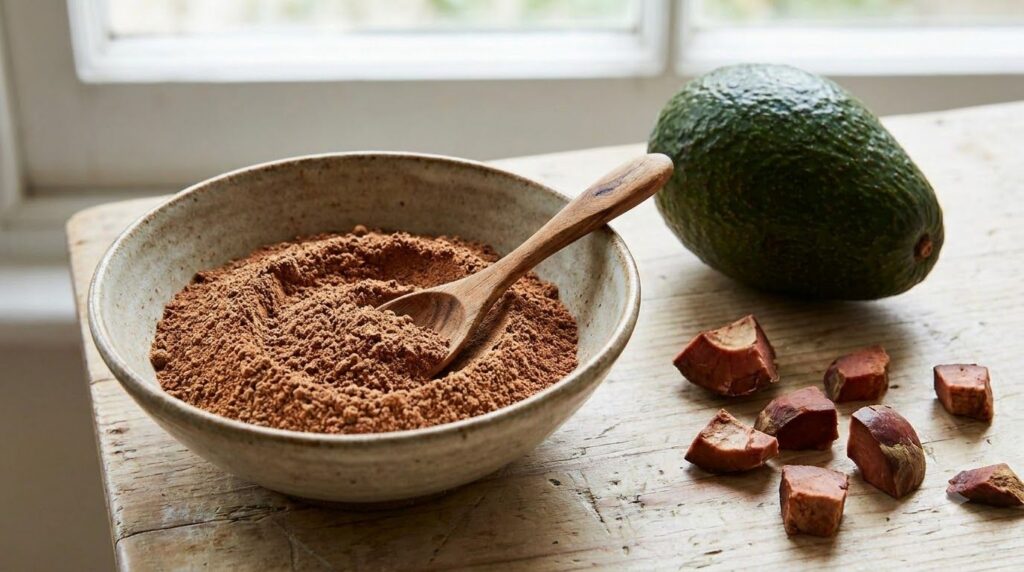
- Chop: The seed is very hard. Carefully use a sharp, heavy knife to chop the seed into smaller, manageable pieces. You might need to tap the knife with a mallet for larger seeds. Be extremely careful!
- Blend or Grate:
- For Blending: Place the chopped pieces into a high-powered blender. Blend until it forms a fine powder. This powder can be stored in an airtight container in the refrigerator for up to a week.
- For Grating: Use a fine grater to grate the smaller pieces into a powder. This method requires more effort but can be safer than chopping if you’re not comfortable with a knife.
Usage Ideas
- Smoothie Booster: Add ½ to 1 teaspoon of avocado seed powder to your daily smoothie. Its slightly bitter, earthy taste pairs well with fruits like banana, berries, and spinach, which can mask the bitterness.
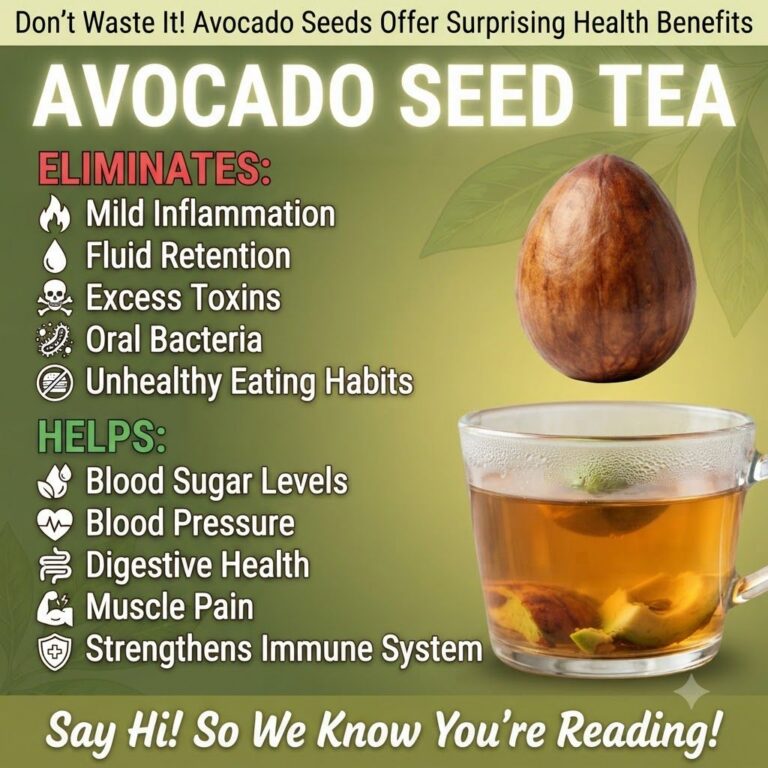
- Herbal Tea: Steep ½ teaspoon of avocado seed powder in hot water for 5-10 minutes, then strain. You can add a squeeze of lemon or a touch of honey to improve the flavor.
- Topical Applications: Some people create a paste with the powder and a little water or oil for skin masks, aiming to leverage its antioxidant properties. Always do a patch test first.
Beginner Tip: Start with a very small amount (¼ teaspoon) to see how your body reacts, gradually increasing if desired.
Safety & Precautions: What You Need to Know
While the potential benefits of avocado seeds are intriguing, it’s essential to approach their consumption with caution and awareness.
- Consult Your Healthcare Professional: This is paramount, especially if you have existing medical conditions, are taking medications, are pregnant or breastfeeding, or have any allergies. There isn’t extensive research on the safety of avocado seed consumption in all individuals.
- Bitterness and Tannins: Avocado seeds contain tannins, which can contribute to their bitter taste and, in large quantities, may cause digestive upset in some individuals.
- Potential Interactions: Due to its potential effects on blood sugar or blood thinning, avocado seed might interact with certain medications. Always discuss with your doctor.
- Allergies: If you are allergic to avocados, you should avoid the seed as well.
The key is moderation and listening to your body. When in doubt, always prioritize professional medical advice.
Key Takeaways: Your Avocado Seed Summary
- Avocado seeds are rich in antioxidants, fiber, and other beneficial compounds.
- Traditional uses include digestive support and anti-inflammatory purposes.
- Preliminary modern research suggests potential benefits for heart health, digestion, and skin.
- The seed can be prepared by drying, chopping, and grinding into a powder.
- It can be added to smoothies, teas, or used topically (with caution).
- Always start with small amounts and consult a healthcare professional, especially if you have health concerns or are on medication.
FAQ: Your Questions About Avocado Seeds Answered
Q1: Is it safe to eat avocado seeds?
A1: While traditionally used in some cultures, there isn’t extensive scientific consensus on the safety of consuming avocado seeds regularly in large quantities. Preliminary research is promising, but it’s always best to consume in moderation and consult a healthcare professional, especially if you have underlying health conditions.
Q2: How much avocado seed powder should I use?
A2: Start with a very small amount, such as ¼ to ½ teaspoon per day, to assess your tolerance. Gradually increase to 1 teaspoon if desired and if your body reacts well. Never exceed recommended dosages without professional guidance.
Q3: What does avocado seed powder taste like?
A3: Avocado seed powder has a distinctive earthy and somewhat bitter taste due to its tannin content. It’s often best masked by strong flavors in smoothies or teas with added honey or lemon.
Q4: Can I eat the avocado seed raw?
A4: While technically possible, eating the seed raw is not recommended due to its extreme hardness and bitter taste. Grinding it into a powder makes it more palatable and digestible.
Related Reading: Continue Your Wellness Journey
If you’re fascinated by the hidden powers of everyday foods and natural remedies, you might enjoy exploring more topics like these:
- The Power of Antioxidants: Boosting Your Body’s Natural Defenses
- Gut Health: Simple Ways to Support Your Digestive System Naturally
- Herbal Teas for Everyday Wellness: From Soothing to Energizing
- Anti-Inflammatory Foods: Your Kitchen’s Best Allies for Comfort and Vitality
- Sustainable Living: Making the Most of Your Kitchen Scraps