Unlock Mullein’s Secret: Ancient Wisdom for Modern Wellness
Most people walk past mullein without realizing the powerful, soothing remedy held within its leaves. While the tall, stately flower stalk often captures attention, it’s the broad, soft leaves that many herbalists cherish for their remarkable topical comfort. Forget complicated concoctions – this often-overlooked plant offers a straightforward, effective way to support minor skin and joint discomfort.
Today, we’re diving into the practical application of mullein leaves, specifically how to prepare and use a simple yet potent warm compress or poultice. This isn’t about vague promises; it’s about giving you the exact steps to harness this ancient wisdom for everyday wellness.
What It Is: The Mullein Leaf Compress
A mullein leaf compress is a topical application that uses the warmed leaves of the mullein plant (Verbascum thapsus) to deliver soothing comfort directly to affected areas. Valued for centuries in folk traditions, mullein leaves are rich in compounds that make them ideal for skin and joint support. When applied warm, they help to relax tissues and bring relief to minor irritations or aches.
This method is particularly favored for localized discomfort, offering a gentle, natural alternative to help ease tension and promote a sense of well-being on the skin and in superficial joints.
Ingredients You’ll Need
- Fresh Mullein Leaves: 3-5 large leaves, free from pesticides or damage.
- OR Dried Mullein Leaves: 1/4 to 1/2 cup, loosely packed.
- Hot Water: Approximately 2-3 cups (for warming).
- Clean Cloth: A small towel or gauze for application.
- Optional: A few drops of a carrier oil like olive or jojoba oil (for poultice variation).
Approximate Measurements
The exact quantity isn’t rigid; the goal is enough material to cover the area you want to treat. For a hand or knee, 3-5 large fresh leaves, or about 1/4 cup of dried leaves, is usually sufficient. Adjust based on the size of the area.
Formula / Recipe: Warm Mullein Leaf Compress
The beauty of this remedy lies in its simplicity. We’ll focus on two primary methods: a direct warm compress using whole leaves and a poultice using mashed leaves for deeper contact.
Method 1: Direct Warm Leaf Compress
- Harvest & Clean: Carefully pick fresh mullein leaves. Wash them gently under cool water to remove any dirt or insects.
- Prepare Water: Bring 2-3 cups of water to a simmer (not a rolling boil).
- Warm Leaves: Submerge the clean mullein leaves in the hot water for 3-5 minutes. They should be pliable and warm, not cooked to mush.
- Drain & Cool: Carefully remove the leaves from the water using tongs. Allow them to cool slightly until they are comfortably warm to the touch.
Method 2: Mullein Leaf Poultice
- Prepare Leaves: For fresh leaves, gently bruise or slightly chop them. For dried leaves, rehydrate them by soaking in a small amount of warm water for 10-15 minutes until soft.
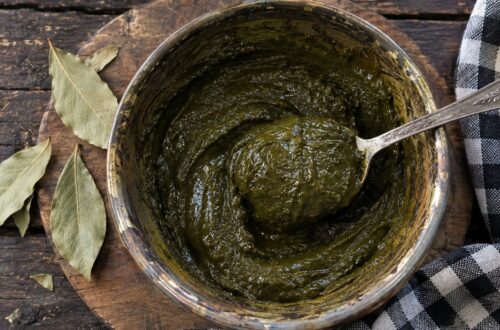
- Mash: Lightly mash the softened leaves using a mortar and pestle or the back of a spoon to release their beneficial compounds. If using the optional carrier oil, mix a few drops in now to create a paste-like consistency.
- Warm: Gently warm the mashed leaves in a small saucepan over low heat, or by placing them in a heat-safe bowl over a larger pot of simmering water (bain-marie method) until comfortably warm.
Step-by-Step Method: Application
Once your mullein leaves are prepared:
For Direct Warm Compress:
- Place Leaves: Carefully lay the warm, whole mullein leaves directly onto the skin over the area of discomfort.
- Cover: Place a clean, warm, damp cloth or towel over the leaves to help retain heat and keep them in place.
- Secure (Optional): You can lightly wrap the area with a dry cloth or bandage to hold everything securely.
For Mullein Leaf Poultice:
- Apply Paste: Spread the warm, mashed mullein leaf paste directly onto the skin.
- Cover: Cover the poultice with a clean piece of gauze or a thin cloth to prevent it from drying out and to hold it in place.
- Secure: Use a bandage or wrap to keep the poultice secured against the skin.

How to Use & How Often to Use
Apply the warm mullein compress or poultice for 20-30 minutes at a time. You can reapply it 2-3 times a day as needed for minor skin irritations, muscle aches, or joint stiffness. Consistency is key, especially if you’re addressing persistent, mild discomfort.
Quick Tip: Optimizing Heat
To keep your compress warm longer, place a hot water bottle or a heated pack over the cloth covering the mullein leaves. This can extend the therapeutic warmth and enhance the soothing effect.
How to Buy / How to Choose Ingredients
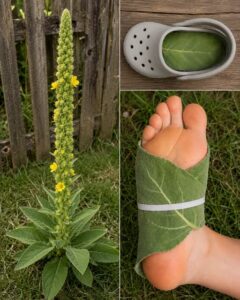
- Foraging: If foraging, ensure you positively identify mullein (Verbascum thapsus) and choose leaves from areas free of pollution, pesticides, and heavy traffic. Look for the large, soft, fuzzy basal leaves.
- Dried Leaves: Purchase dried mullein leaves from reputable herbal suppliers or organic health stores. Ensure they are vibrant green and free from mold or discoloration.
You may also like: How to Identify Mullein in Your Backyard
Storage
Fresh Leaves: Use fresh mullein leaves immediately after harvesting. If you must store them briefly, wrap them loosely in a damp paper towel and place them in the refrigerator for no more than 1-2 days.
Dried Leaves: Store dried mullein leaves in an airtight container in a cool, dark, dry place. They can last for up to 1 year, maintaining their potency.
Prepared Compress/Poultice: A prepared compress or poultice should be used fresh and discarded after each application. Do not store and reuse.
Practical Tips
- Test Temperature: Always test the temperature of the warmed leaves or poultice on a small patch of sensitive skin (like your inner wrist) before applying to the affected area to prevent burns.
- Clean Skin: Ensure the skin where you apply the compress is clean and free of lotions or oils for best absorption.
- Relax: Find a comfortable position and relax while the compress is in place to maximize the soothing experience.
Common Mistakes
- Using Sprayed Plants: Harvesting mullein from areas treated with herbicides or pesticides can introduce harmful chemicals to your remedy. Always forage from clean, uncontaminated spots.
- Boiling Leaves Too Vigorously: Over-boiling can diminish the beneficial compounds in the leaves and make them mushy, reducing their effectiveness. A gentle simmer or steaming is best.
- Applying Too Hot: Directly applying scorching hot leaves can cause burns. Always allow them to cool to a comfortably warm temperature.
- Not Securing Properly: A loose compress or poultice won’t stay in contact with the skin, reducing its efficacy. Secure it firmly but comfortably.
- Storing Wet Leaves: Fresh leaves, if stored wet, can quickly mold. Ensure they are dry before refrigerating or if preparing for drying.
Cautions / Who Should Avoid It
Mullein is generally considered safe for topical use. However, always perform a patch test on a small area of skin first to check for any allergic reaction. If irritation occurs, discontinue use.
- Open Wounds: Avoid applying mullein compress or poultice directly to open wounds or broken skin.
- Allergies: If you have known allergies to plants in the figwort family (Scrophulariaceae), exercise caution.
- Pregnancy/Nursing: Consult with a healthcare professional before using any herbal remedies if you are pregnant or nursing.
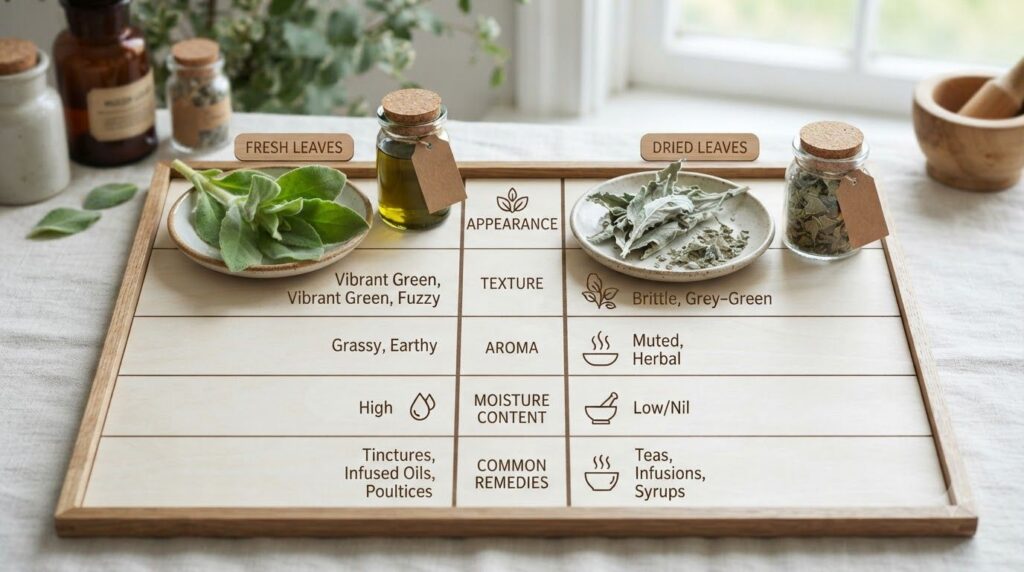
Fresh vs. Dried Mullein: A Quick Comparison
| Feature | Fresh Mullein Leaves | Dried Mullein Leaves |
|---|---|---|
| Availability | Seasonal (spring to fall) | Year-round |
| Preparation for Compress | Wash, warm directly in water | Rehydrate in warm water |
| Potency | Generally higher (direct plant compounds) | Retains good potency if dried properly |
| Texture | Soft, pliable, velvety | More fragile, can be crumbly once rehydrated |
| Storage | Very short (1-2 days refrigerated) | Long-term (up to 1 year in airtight container) |
| Best Use For | Immediate, localized relief | Convenient, consistent access |
Quick Summary
The mullein leaf compress is a straightforward and effective natural remedy for topical comfort. It’s best used for minor skin irritations, muscle aches, and joint stiffness. Prepare by gently warming fresh or rehydrated dried leaves and applying them to the affected area for 20-30 minutes, 2-3 times daily. Always ensure leaves are clean and sourced from uncontaminated areas. Store fresh leaves for a short period, and dried leaves in an airtight container for longer use. Avoid applying to broken skin and always patch test first.
FAQ
- Can I use both fresh and dried mullein leaves?
Yes, both fresh and dried mullein leaves can be used for compresses or poultices. Fresh leaves are often preferred for their immediate potency, but dried leaves are a convenient year-round alternative. - How long does a mullein leaf compress last?
The compress itself is meant for single use. The prepared leaves should be discarded after each application. - Can I refrigerate the prepared mullein leaves for later use?
No, once prepared (warmed/mashed), the leaves should be used immediately and discarded. Storing them can lead to bacterial growth. - How often should I apply the compress?
You can apply a warm mullein leaf compress 2-3 times a day as needed for minor discomfort. - What part of the mullein plant is best for this remedy?
The large, velvety basal leaves are primarily used for topical compresses and poultltices. - Can I reuse the leaves from a compress?
No, for hygiene and effectiveness, always use fresh or freshly prepared leaves for each application. - When should I avoid using mullein topically?
Avoid using it on open wounds or broken skin. If you experience any allergic reaction (redness, itching), discontinue use immediately. Consult a doctor if pregnant or nursing. - Does mullein have a strong scent?
Mullein leaves have a very mild, slightly earthy scent, which is generally not overpowering.
Conclusion
Mullein leaf truly is one of nature’s quiet treasures, offering simple yet profound comfort. By understanding its preparation and proper use, you can integrate this ancient wisdom into your modern wellness routine. This practical remedy, focused on topical relief, stands as a testament to the power of readily available botanicals. Give the mullein leaf compress a try and experience the gentle soothing it provides.
Read more: Discover More Natural Remedies for Pain Relief
Continue with: How to Make Your Own Herbal Infused Oils