Tired of scrubbing your bathroom with harsh chemicals? Many store-bought cleaners can be expensive and contain ingredients you’d rather avoid. If you’re looking for an effective, budget-friendly, and simple way to keep your bathroom surfaces sparkling clean and fresh, this DIY vibrant cleaner might be just what you need.
This homemade solution harnesses the natural cleaning power of common household ingredients to tackle soap scum, water spots, and general grime, leaving your bathroom gleaming without the strong chemical smell. It’s surprisingly easy to make and can become a staple in your cleaning routine.
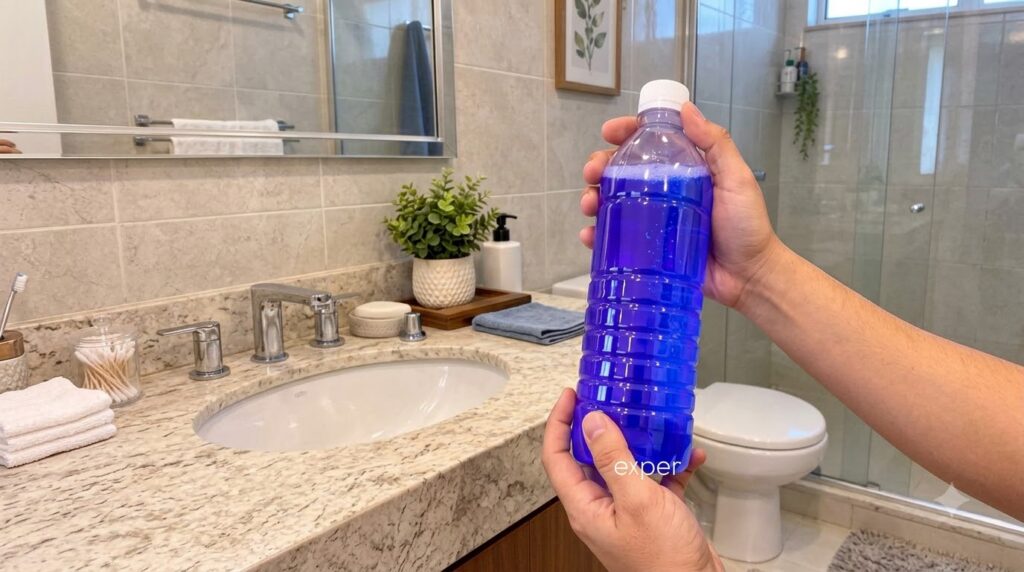
What You’ll Need
Ingredients
- 1 cup white vinegar
- 1 cup water
- 1 tablespoon liquid dish soap
- 1-2 drops blue food coloring (optional, for a vibrant color)
Tools
- Clean spray bottle (approx. 16-20 oz / 500-600ml capacity)
- Measuring cups and spoons
- Funnel (optional, but helpful for pouring)
Why This DIY Can Be Useful
This DIY cleaner combines common ingredients that are effective against typical bathroom dirt:
- White Vinegar: An excellent natural disinfectant and deodorizer. Its acidic nature helps break down mineral deposits, soap scum, and hard water stains.
- Liquid Dish Soap: Acts as a degreaser and helps lift dirt and grime from surfaces. It also helps the solution cling to vertical surfaces and creates a satisfying foam.
- Water: Dilutes the concentrated ingredients, making the cleaner safe for most bathroom surfaces and easy to spray.
- Blue Food Coloring (Optional): While purely aesthetic, it can make the cleaning experience more enjoyable and visually appealing, mimicking the look of commercial cleaners.
How to Make It
- Measure out 1 cup of white vinegar and pour it into your clean spray bottle.
- Add 1 cup of water to the bottle.
- Next, add 1 tablespoon of liquid dish soap. Be careful not to shake the bottle too much at this stage to avoid excessive suds.
- If you desire a vibrant blue color, add 1-2 drops of blue food coloring.
- Secure the spray nozzle tightly onto the bottle.
- Gently swirl the bottle to combine the ingredients without creating too many bubbles. Your cleaner is now ready to use!
How to Use It
This versatile cleaner is perfect for various bathroom surfaces.
- Target Surfaces: Spray directly onto sinks, countertops, toilet exteriors, shower walls, bathtubs, and tile surfaces.
- Apply Evenly: Mist the surface until it’s visibly wet but not dripping excessively.
- Let it Sit: For best results, allow the cleaner to sit on the surface for 5-10 minutes. This gives the vinegar time to break down grime and soap scum.
- Scrub and Wipe: Using a clean sponge or microfiber cloth, scrub the treated area. For tougher stains, you might need a bit more elbow grease.
- Rinse Thoroughly: Wipe the surface clean with a damp cloth, rinsing the cloth frequently, or rinse directly with water if the surface allows (like inside a sink or shower). Ensure all cleaner residue is removed.
- Dry and Buff: For a streak-free shine, wipe the surface dry with a clean, dry cloth.
What to Expect
You can expect noticeably cleaner surfaces, free from soap scum and water spots. Your bathroom will feel refreshed and smell clean, thanks to the deodorizing properties of vinegar. While it works wonders on general grime, very old or deeply set stains might require repeated applications or a more abrasive scrub.
Helpful Tips
- Regular Cleaning: Using this cleaner regularly can prevent heavy build-up, making future cleaning much easier.
- Customizable Scent: If you’re not a fan of the vinegar smell, you can add 5-10 drops of your favorite essential oil (like tea tree, lemon, or lavender) to the mixture. Be aware that some essential oils can interact with plastic over time, so check for compatibility.
- Label Your Bottle: Clearly label your spray bottle to distinguish it from other products.
Important Notes / Safety
- Ventilation: Always ensure good ventilation when cleaning, even with natural cleaners. Open a window or turn on the exhaust fan.
- Avoid Certain Surfaces: Do not use vinegar-based cleaners on natural stone surfaces like marble, granite, or travertine, as the acid can etch and damage them. It’s generally safe for ceramic tile, porcelain, laminate, and most sealed surfaces.
- Patch Test: Before applying to an entire surface, always perform a patch test in an inconspicuous area to ensure compatibility and prevent any discoloration or damage.
- Do Not Mix: Never mix vinegar with bleach or products containing bleach, as this can create dangerous chlorine gas.
- Storage: Store the cleaner in a cool, dark place away from direct sunlight. The solution typically stays effective for several weeks to a few months.