Discover how a common kitchen staple can refresh your complexion with this simple baking soda facial mask recipe.
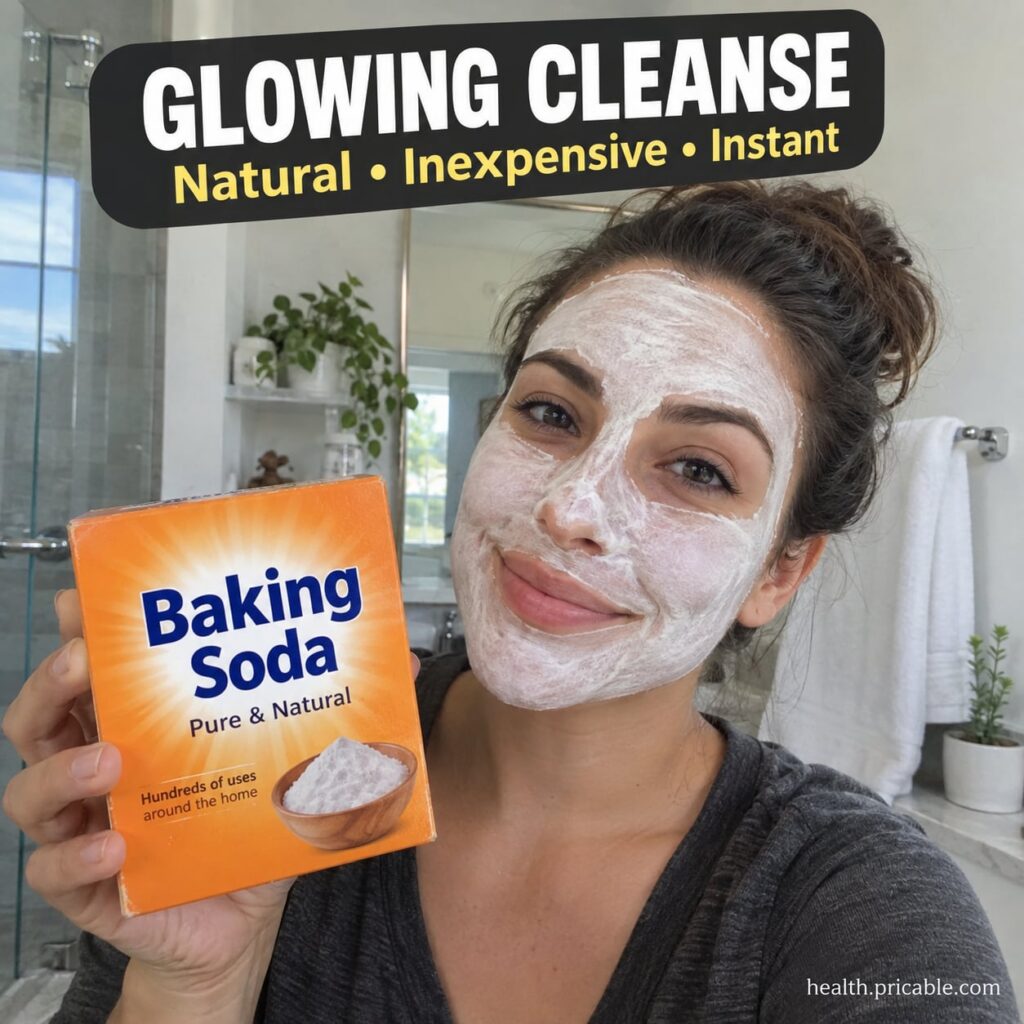
Quick Recipe
Prep time: 2 minutes
Best for: Dull skin, oily skin, occasional deep cleanse
Use type: Mask
Main ingredients:
- Baking soda
- Water
Ingredients
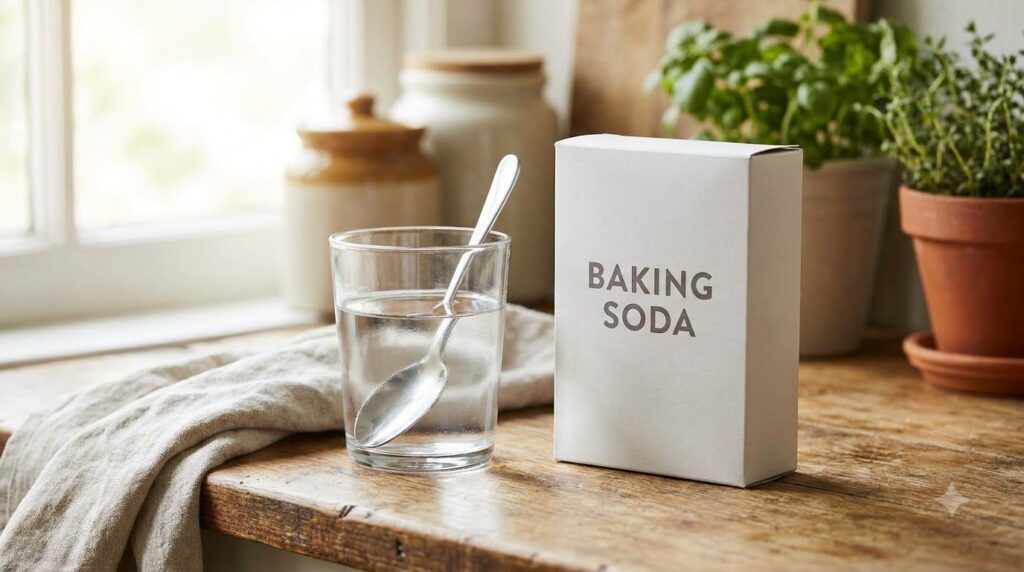
- 1 tablespoon baking soda (sodium bicarbonate)
- 1-2 tablespoons filtered water (adjust as needed)
How to Make It
- In a small, clean bowl, combine the baking soda and 1 tablespoon of filtered water.
- Stir well, adding a few more drops of water if necessary, until you achieve a smooth, spreadable paste. The consistency should be similar to toothpaste, not too runny.
- Ensure there are no lumps for an even application.
How to Use It
- Start with a clean face. Gently wash your face with your usual mild cleanser and pat dry.
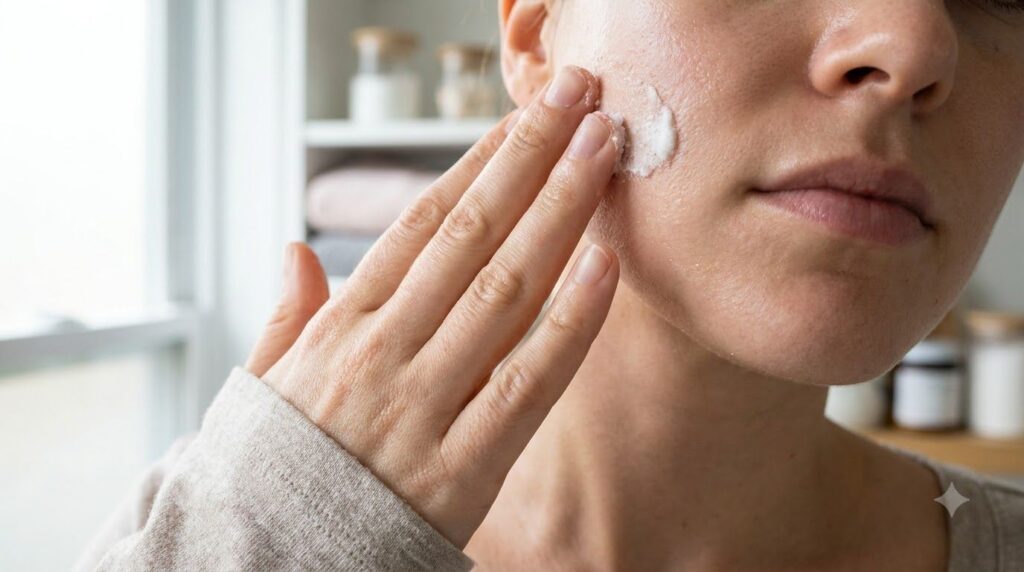
- Apply the baking soda paste evenly over your face, avoiding the delicate eye and mouth areas.
- Leave the mask on for no more than 5-10 minutes. For very sensitive skin, start with just 2-3 minutes.
- To remove, gently rinse your face with lukewarm water, using small circular motions to lightly exfoliate as you wash away the paste.
- Pat your skin dry with a soft towel and follow up immediately with your favorite hydrating moisturizer.
How Often to Use It
Due to its exfoliating properties, this mask is best used sparingly. For most skin types, using it once every 1-2 weeks is sufficient. If you have very sensitive skin, you might want to use it even less frequently, or avoid it altogether.
Why These Ingredients Are Used
Baking Soda
Baking soda, or sodium bicarbonate, is a mild abrasive that is often used in home remedies for its exfoliating properties. When mixed with water, it forms a paste that can help gently slough away dead skin cells, promoting a smoother-looking skin texture. It’s also traditionally used to help cleanse the skin, contributing to a feeling of freshness.
Water
Water is essential for creating the paste consistency needed for a mask. Filtered water is recommended to avoid any potential impurities that might be present in tap water, ensuring the purest application for your skin.
What Results to Expect
After using this baking soda mask, your skin may feel softer and appear brighter and more refreshed. The gentle exfoliation can help remove surface impurities, supporting a clearer-looking complexion and a natural, healthy glow. It can also help skin feel incredibly clean and smooth to the touch.
Safety Notes
- Patch test first: Always apply a small amount of the paste to an inconspicuous area of your skin (like behind the ear or on the inner forearm) at least 24 hours before full facial application to check for any adverse reactions.
- Use gently: Do not scrub or rub the mask vigorously into your skin, as baking soda can be abrasive. Gentle application and removal are key.
- Avoid irritated or broken skin: Do not apply the mask to areas with cuts, rashes, sunburn, or any form of skin irritation.
- Stop using if discomfort occurs: If you experience redness, itching, burning, or excessive dryness, rinse the mask off immediately and discontinue use.
- Limit exposure: Do not leave the mask on for longer than recommended. Overuse or prolonged exposure can lead to skin dryness or irritation.
- Avoid sensitive areas: Keep the mask away from your eyes, nostrils, and lips.
- Consult a professional: If you have a specific skin condition (like rosacea, eczema, or very dry skin), consult a dermatologist before trying new DIY remedies.
FAQ
Can I use baking soda on sensitive skin?
While some people with sensitive skin use baking soda, it’s generally not recommended due to its alkaline pH, which can disrupt the skin’s natural acid mantle. If you have sensitive skin, perform a patch test and observe closely for any irritation. You might want to consider alternative gentle exfoliants.
What can I mix with baking soda instead of water?
For additional benefits, you could mix baking soda with ingredients like honey (for hydration and antibacterial properties) or aloe vera gel (for soothing effects). Always patch test any new ingredient combination.
How does baking soda help with oily skin?
Baking soda can help absorb excess oil from the skin’s surface, which may reduce the appearance of shine and leave the skin feeling cleaner. However, it’s important not to over-dry the skin, as this can sometimes trigger increased oil production.
Final Thoughts
This simple baking soda facial mask offers a quick and inexpensive way to support a refreshed and brighter-looking complexion. Remember to always prioritize your skin’s health by performing a patch test and using this remedy responsibly. Enjoy your journey to naturally glowing skin!